Cork Views: Eye and ear care could ward off dementia
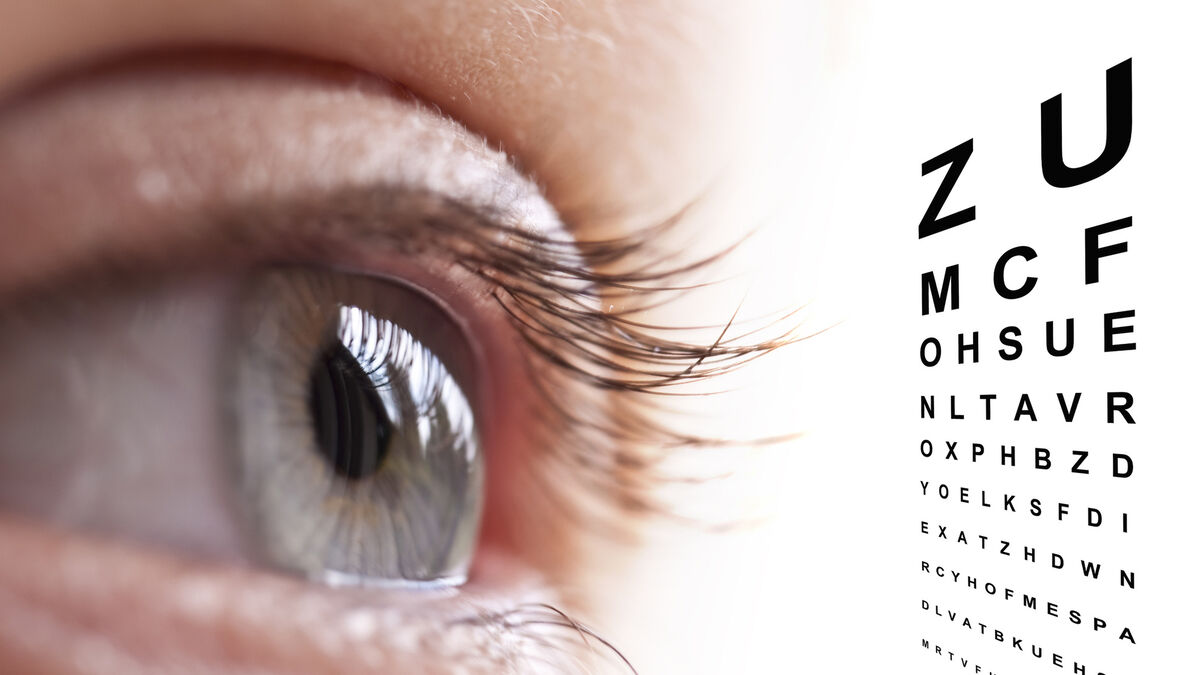
A new clinic in Cork aims to address sight and hearing issues, which can have wide-ranging impacts on our health as we age, says Arthur Cummings, Consultant Eye Surgeon
Cork Views: Eye and ear care could ward off dementia

Doctors are discovering that tackling deteriorating eyesight and hearing can help overall health.

We talk a lot about living longer. We think about what we eat, how much we move, how well we sleep, and what we can do to stay healthy as we get older.

But there are two things we rarely include in the healthy-ageing conversation. How well we see and how well we hear.

Perhaps that’s because, for most of our lives, we don’t think very much about either. Our eyes and ears simply do their jobs.

They let us follow a conversation across a busy table. Recognise someone approaching on the street. Drive somewhere unfamiliar. Hear the punchline. Catch an expression on someone’s face. They are woven so completely into ordinary life that we tend to notice them only when something starts to change.

Changes in a person’s vision and hearing are not entirely separate issues. In fact, there is good evidence that untreated hearing and vision loss are associated with cognitive decline and dementia.

Vision and hearing require different clinical expertise, but in everyday life we use them together constantly. Conversations, driving, work, relationships, and social activities can all draw on both senses.

In 2024, a Lancet Commission estimated that around 45% of dementia cases could potentially be prevented or delayed by addressing 14 modifiable risk factors across the life course. Hearing loss and untreated vision loss were both included as risk factors. When hearing or vision deteriorates, conversation takes more effort, social participation can narrow, and movement and independence may become harder.

Some types of visual impairment, such as cataracts and diabetic retinopathy (which can both be treated with specific types of laser procedures) have been linked to a higher risk of dementia, whereas other conditions, like glaucoma and age-related macular degeneration, do not seem to have the same link.

Research also suggests that hearing loss, vision impairment, and social isolation are interconnected and may influence cognitive health as people age.

The research does not establish that poor eyesight causes dementia or that correcting vision will prevent it. It does, however, highlight the importance of vision, alongside hearing, when considering cognitive health in later life. Vision and hearing form part of a much wider and more complex picture of the dementia risk.

Research published in the American Journal of Ophthalmology earlier this year adds another dimension. The study found that visual impairment was associated with a 36% increase in all-cause mortality, with the association driven primarily by non-cardiovascular causes.

Again, this is an association. It does not tell us that visual impairment causes earlier death or that correcting vision changes that outcome. What it does show is that researchers are increasingly examining vision as part of a broader picture of health rather than as an isolated measure of eyesight.

These are different studies, examining different outcomes. But, together with the growing body of research around hearing, they raise an important question: have we been thinking about our senses too narrowly?

It’s this wider conversation that Wellington Eye Clinic and Beacon Audiology are exploring in Cork, in partnering to open a new clinic called Lifestyle Vision & Hearing.

As sister clinics specialising in vision and hearing, our collaboration in Cork creates an opportunity to consider both senses as part of the same healthy-ageing conversation, while maintaining the distinct clinical expertise each requires.

Over the years, we have welcomed many patients who travelled from Cork and across Munster to our Dublin clinic. Our new Cork location allows us to bring that same depth of vision and audiology care closer to home.

Recent research showed that for every 100 cases of dementia worldwide, 45% could be prevented or delayed and that two of those 45 cases are linked to untreated visual impairment in later life. Getting your eyes examined regularly and correcting vision problems could help to significantly reduce your odds of developing dementia.

The World Health Organization recognises seeing and hearing among the capacities that help us do what we value throughout life. Looking after our senses is therefore about more than seeing and hearing well. It helps our healthspan, supports the independence, connection and participation that allow us to continue living well as we age.

That gives us a different way to think about eye health and hearing health as we get older. Instead of only asking ‘how well can I see?’ or ‘how well can I hear?’, perhaps we should also ask: ‘What do my vision and hearing allow me to keep doing?’

Changes in vision and hearing don’t always arrive as one obvious moment. Sometimes, we simply adapt. You choose not to drive at night if someone else can. You sit closer to the person speaking. The television gets turned up another notch. A busy restaurant becomes harder work than it used to be.

One adjustment might mean very little. But over time, those can begin to influence where we go, what we do and how easily we participate. Senses don’t just decline. They quietly redraw the edges of your life. And that’s why there may be a bigger conversation to be had about vision and hearing as we age.

  • Arthur Cummings is Consultant Eye Surgeon at the Wellington Eye Clinic Dublin, Beacon Medical Campus, Sandyford, Dublin 18 and City Gate, Mahon point, Cork and Consultant Ophthalmologist at the Beacon Hospital. Visit https://lifestylevisionhearing.com/
More in this section

Recalling Cork polio outbreak 70 years on Recalling Cork polio outbreak 70 years on
John Dolan: What kind of people watched public executions in Cork...all sorts  John Dolan: What kind of people watched public executions in Cork...all sorts 
John Arnold: ‘We can only imagine joy in Cork family when Dublin won’ John Arnold: ‘We can only imagine joy in Cork family when Dublin won’

Sponsored Content

The office worker presents a document to the client across the desk. Pensions become part of the talent equation
CS ESB Networks Oct 2026 Got a smart meter? Time to unlock its value with an ESB Networks online account
 ‘I don’t feel like myself any more’. Why Irish women are missing the signs of menopause ‘I don’t feel like myself any more’. Why Irish women are missing the signs of menopause
Contact Us Cookie Policy Privacy Policy Terms and Conditions

© Examiner Echo Group Limited

Add Echolive.ie to your home screen - easy access to Cork news, views, sport and more