Momoko Gill is looking forward to the Cork Jazz Festival, and her show in Triskel
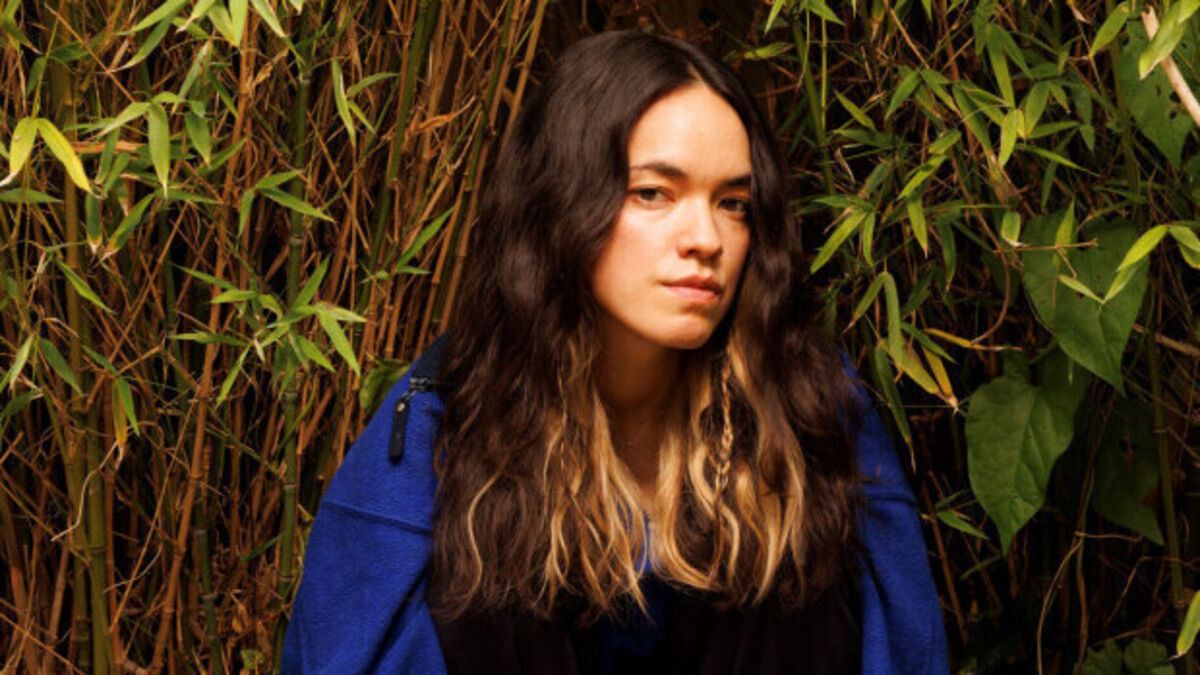
Lauded by Gilles Peterson, Momoko Gill talks to Ronan Leonard about taking praise but focusing on making new music
Momoko Gill is looking forward to the Cork Jazz Festival, and her show in Triskel

Momoko Gill all set for Guinness Cork Jazz Festival.

For Momoko Gill, there is no one set way to start creating music, sometimes it begins at the drums; sometimes a piano; sometimes it begins with a groove, a mood, or a sound lifted from somewhere else and turned into something entirely new. She says, ‘there’s definitely not one way of writing. I feel pretty free with incorporating and trying new ways”.

That openness is central to Momoko, the London-based, Japan-born multi instrumentalist’s remarkable debut album which came out in February of this year, and also to the way she approaches live performance. Yet for all her experimentation, Gill is also a composer with a strong sense of structure.
“I like having at least some things that are led by harmony,” she explains. “When there’s a whole body of work and there’s not much harmonic movement going on, I feel like I’m missing something. There are stages where I’m on the piano, or at the drums, and sometimes I’m using sampled instruments. It might be from anything, resampling it onto the keyboard so I can use it as a new instrument. Or sometimes it’s just a groove and mood that I like.”
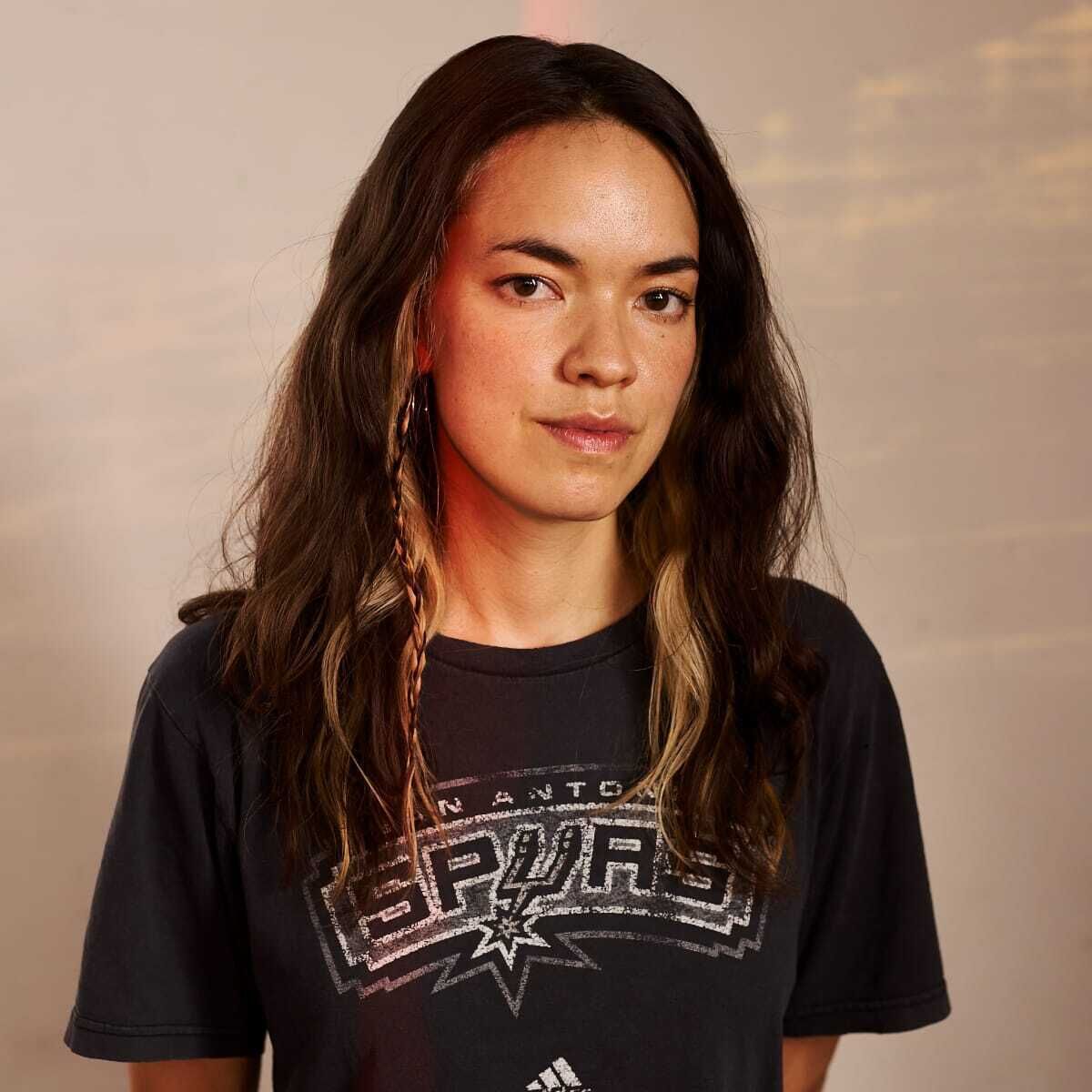
Momoko Gill will play Triskel as part of the Guinness Cork Jazz Festival.

For an artist who collaborates with so many musicians, such as Alabaster DePlume, Matthew Herbert (whose 2025 album ‘Clay’ was a full collaboration credited to Herbert & Momoko), Coby Sey, Tirzah, and Nadeem Din-Gabis (Gill and him released music under the name of An Alien Called Harmony), for her own solo material her first instinct was not to gather musicians in a room and see what happens. Instead, she developed the foundations of a piece until it had enough shape to welcome other voices.

“For my solo work, reflecting on my first album and the way I’m working on my second one, I like to have quite a lot of fundamental things in place before I invite people in,” she says. “Instrumentalists, I like to invite in, and I feel like bringing people in really expands the music. But the actual conception of it, the idea, or arranging it, I feel best when I’ve got quite a lot of that already in place.”

That does not mean she is closed to improvisation. Quite the opposite. Gill is currently exploring ways of beginning with collective playing, then taking sections, sampling them, and seeing whether they can coexist with material she has constructed more deliberately.

“I’m kind of in the process of exploring starting points that are more collaborative,” she says. “But so far I’ve built most of the structures myself before inviting people in. “I think I am a storyteller,” she says. “I try to keep control of things I want to keep control of, so that I can keep things coherent in my storytelling. I want to invite people in when it’s at a stage where whatever they’re bringing, and their personality, is very welcome. By the time I’m inviting people, I want to be able to invite them quite fully, as opposed to treating them as replaceable with another instrumentalist.”

When she and her live band recorded a live session in BBC’s legendary studio complex in Maida Vale something very special happened. “To be honest, I did that session before playing the music live at all,” she recalls. “It was before my album launch, so it felt like a lot of pressure to be in the room doing it, because you feel like you want to do it after you’ve had a bit of practice playing the tunes on the road. Doing it was quite a lot. It felt quite pressurising.”

Gilles Peterson’s simple statement that it was “one the best Maida Vale sessions we’ve recorded” had quite an impact on both music fans and of course Momoko herself. “Hearing his praise gave me a feeling of relief,” she says. “I thought it was so hard and pressurising, but maybe it was fine!”

While Gill is aware of that praise and other acclaim her album is getting, she tries to not dwell on it. “Praise is something I can be aware of, but I don’t let it get to my head,” she says. “I try to let it feed my heart, so I feel more courage to carry on. But it doesn’t make me think I did so much better than other Maida Vale sessions. I’m not putting myself in a hierarchy with other people.”

One of the album’s most direct moments is ‘When Palestine Is Free’. Gill does not separate the political from the spiritual, the personal from the collective. For her, they are all part of the same field of feeling. “I don’t feel a strict division between what’s political and what’s spiritual and what’s this and that,” she says. “All of it is something that felt poignant or important to me at the time. Sometimes I’m expressing it in more abstract or poetic ways, and sometimes it’s more literal.”

With ‘When Palestine Is Free’, she felt clarity was necessary. “The world we are living in now has made it feel as though just saying it very explicitly is what’s needed in this moment,” she says. “For that song, I really chose to keep the words simple but clear and explicit.”

The song also embodies her instinct to invite people in. Rather than gathering a choir in a studio, Gill asked contributors to send vocals remotely, creating a collective voice assembled from many places. “I invited lots of people to sing as part of the choir,” she says. “It was a remote choir. Everyone sent their vocals into me. I definitely see it as a song that is opening out to people, and I’m wanting people to join in. People sing at the shows, which is really nice in the crowd.”

Momoko took time to emerge. Its earliest songs began during lockdown, while Gill was also touring with other artists. The album grew steadily rather than arriving fully formed.

“The first couple of songs I wrote during lockdown. It was a steady accumulation of songs, and I was writing while I was touring with other people as well.”

Listening back now, however, she does not hear an album divided into early and late periods. Playing the songs live has unified them for her. “Now I feel like it’s actually feeling quite coherent as a whole,” she says.

“The approaches I took early on helped inform alternative ways of working that came afterwards. Even though it took a long time, because I was also learning what I like and don’t like about writing and producing, I don’t think, ‘this is from an older time, and this is from this’. It helps that I’m playing them live. They’re all bringing something different.”

  •  Momoko Gill plays Triskel Christchurch, Cork, on Thursday, October 22, at 8.30pm, as part of the Guinness Cork Jazz Festival. Tickets are available their box office or www.triskelartscentre.ie


More in this section

Enda Walsh: 'As an older writer, I don’t think I could write Disco Pigs now' Enda Walsh: 'As an older writer, I don’t think I could write Disco Pigs now'
Weekend guide: Our pick of the top events in Cork this Saturday and Sunday Weekend guide: Our pick of the top events in Cork this Saturday and Sunday
What's on in Cork this week: Grand piano show, Jack Dee, and Irish language Pygmalion What's on in Cork this week: Grand piano show, Jack Dee, and Irish language Pygmalion

Sponsored Content

CS ESB Networks Oct 2026 Got a smart meter? Time to unlock its value with an ESB Networks online account
 ‘I don’t feel like myself any more’. Why Irish women are missing the signs of menopause ‘I don’t feel like myself any more’. Why Irish women are missing the signs of menopause
New build, renovation or replacement? Seven window and door decisions to make before comparing quotes in Ireland New build, renovation or replacement? Seven window and door decisions to make before comparing quotes in Ireland
Contact Us Cookie Policy Privacy Policy Terms and Conditions

© Examiner Echo Group Limited

Add Echolive.ie to your home screen - easy access to Cork news, views, sport and more