Does the colder weather worsen menopause symptoms?
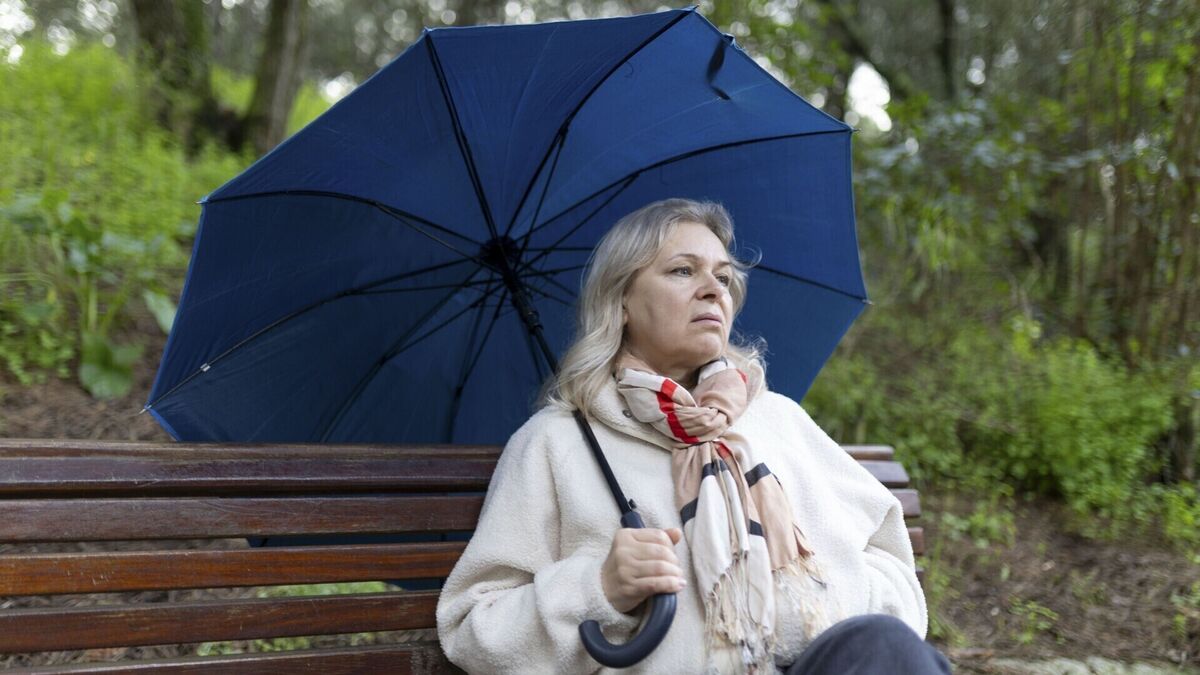
The cold weather can worsen symptoms of menopause and perimenopause for some women.
The seasons are changing, but as we move into cooler weather, what does that mean for those going through menopause?
Getting up in the dark is a struggle for most people, but Ramskill explains why it’s worse when oestrogen levels are in decline: “Lack of sunlight and shorter days make everyone feel miserable. Less daylight can affect our circadian rhythm, and lack of vitamin D from sunlight will cause tiredness and aches and pains.
Many menopausal women say they feel stiffer in colder weather, which Ramskill explains is also down to a lack of vitamin D. She says: “If you’ve got darker skin or you cover up a lot in the summer, you won’t build up the vitamin D stores in the summer, and then when we hit winter, many people dip into deficiency.
Not being naturally woken up by the sunlight in winter flattens the circadian rhythm and stops morning serotonin production, which means menopausal women get a double whammy of lack of serotonin in winter from lower oestrogen levels.
Lack of oestrogen causes the skin’s natural moisturisers of oils and ceramides to decline sharply during menopause, causing dry and itchy skin. “Add to that the drying effects of central heating, or getting dehydrated because we’re not stimulated to drink as much in the colder weather, and going out in cold – all these things are going to make your skin worse,” says the medic.
There is a biological reason why women tend to feel colder than men generally.
Not all women can or want to take Hormone Replacement Therapy (HRT), so Ramskill suggests other strategies.







 App?
App?


