Recalling Cork polio outbreak 70 years on
The polio outbreak in Cork city in 1956 devastated the community, and many people who contracted it are still living with its effects. An event in Cork tomorrow will call for more supports
Recalling Cork polio outbreak 70 years on

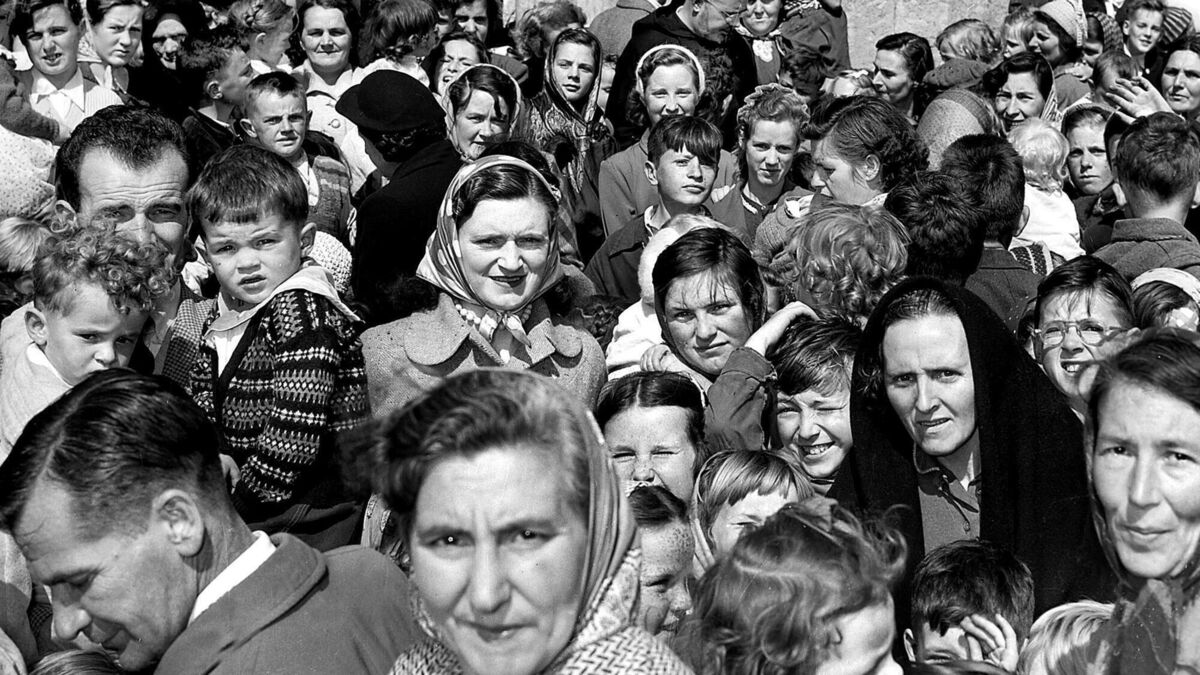
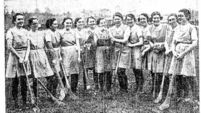
A blessing of children at Holy Trinity Church, Cork, in July, 1956, during the polio outbreak

Polio Survivors Ireland is hosting a special event tomorrow, Tuesday, October 20, to mark 70 years since the devastating 1956 outbreak in Cork.

The event will bring together polio survivors, families, and local representatives to reflect on the outbreak and the lasting impact it has had on people’s lives.

The event also comes amid renewed calls from Polio Survivors Ireland for greater recognition of the needs of older people living with the long-term effects of polio.

Budget 2027 introduced a €500 Cost of Disability Payment for an estimated 240,000 people in receipt of qualifying long-term disability payments. However, 89% of Polio Survivors Ireland’s members are aged over 65 and many will miss out on this support, despite continuing to face additional costs associated with their disability.

The organisation is calling on Government to ensure older people living with the life-long effects of polio are not excluded from essential disability-related supports.

The Polio Survivors Ireland 70th anniversary event takes place at Cork International Hotel, and will feature personal accounts from those affected by polio alongside reflections from families and community representatives.

Joan McDonnell, who was born in Limerick in 1951 and contracted polio as a child, continues to live with the long-term effects of the illness. Her husband, Vincent McDonnell, an established author of historical books with strong Cork connections, will be among the speakers at the event, sharing the history of the epidemic and paying tribute to those who continue to live with its effects, including Joan.

Cork Lord Mayor Damian Boylan and former Senator John Dolan will also be among the speakers.

The polio outbreak of 1956 had a profound impact on Cork, with 220 cases recorded across city and county and five deaths. Most of those affected were children, with 71 of the 90 cases recorded in Cork city by the beginning of August, 1956, involving children under six.

The fear surrounding the outbreak also had a significant impact on everyday life across Cork, with a poliomyelitis centre established at St Finbarr’s Hospital, the Victoria Cross open-air swimming pool closed and people warned against swimming in the River Lee.

Sporting events were cancelled or postponed, while children under 12 were banned from attending the cinema and shops and entertainment venues saw footfall decrease as people avoided crowds and travel.

Cork also reached the All-Ireland hurling and football finals in 1956, but both games were postponed by the Central Council of the GAA following a request from public health officials in Dublin, who were concerned about large numbers of Cork people travelling to Croke Park.

The event in Cork will be facilitated by Nicola Fogarty, CEO of Polio Survivors Ireland, and falls ahead of World Polio Day on October 24, which is marked annually to raise awareness of polio and its ongoing impact.

For the many people who contracted polio decades ago, the effects of the virus continue today through post-polio syndrome, which can include sleep impairment, fatigue, muscle and joint pain, severe intolerance to cold, speech difficulties, difficulty swallowing and respiratory problems.

In relation to supports for polio survivors, the group is calling for:

A universal, non-taxable Cost of Disability Support Payment of at least €55 per week, including for people over 65

Government to address the financial gap at age 66, when people move from Disability Allowance to the State Pension and can lose access to disability-related supports, despite continuing to face significant additional costs

An enhanced Fuel Allowance covering 42 weeks rather than the current 32 weeks, specifically for polio survivors experiencing cold intolerance, reflecting what the organisation says are their ongoing and medically necessary energy needs.
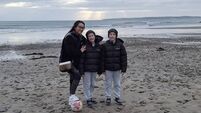
Nicola Fogarty said: “Seventy years on from the Cork outbreak, many survivors continue to live with increasing mobility difficulties, pain and fatigue, while facing significant costs associated with physiotherapy, medicines, mobility aids, home adaptations and specialist equipment.

“Polio survivors over 65 have missed out on disability-related supports in previous Budgets, and we have unfortunately seen Budget 2027 has unfortunately seen this gap continue.

“We are calling on Government to recognise that disability-related costs do not stop at pension age and to ensure that older people living with the long-term effects of polio are not left behind.”

To find out more about Polio Survivors Ireland, visit: www.polio.ie

More in this section

John Arnold: ‘We can only imagine joy in Cork family when Dublin won’ John Arnold: ‘We can only imagine joy in Cork family when Dublin won’
Cork mum: 'DLD is hard to understand, but much harder for those who have it' Cork mum: 'DLD is hard to understand, but much harder for those who have it'
Cork pharmacies back campaign to highlight free bowel cancer screening Cork pharmacies back campaign to highlight free bowel cancer screening

Sponsored Content

CS ESB Networks Oct 2026 Got a smart meter? Time to unlock its value with an ESB Networks online account
 ‘I don’t feel like myself any more’. Why Irish women are missing the signs of menopause ‘I don’t feel like myself any more’. Why Irish women are missing the signs of menopause
New build, renovation or replacement? Seven window and door decisions to make before comparing quotes in Ireland New build, renovation or replacement? Seven window and door decisions to make before comparing quotes in Ireland
Contact Us Cookie Policy Privacy Policy Terms and Conditions

© Examiner Echo Group Limited

Add Echolive.ie to your home screen - easy access to Cork news, views, sport and more