Our family law system is failing women
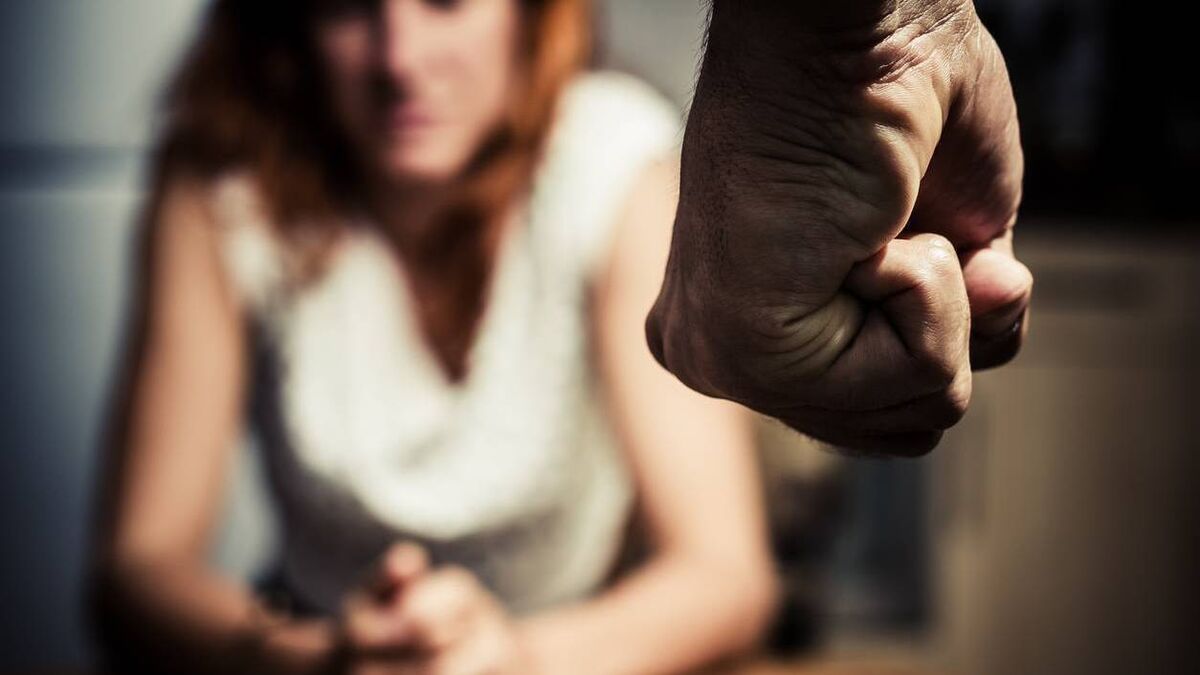
Every day, women are hurt and abused by the person who is supposed to love them. iStock
Women’s Aid, a leading national organisation supporting victims/survivors of domestic abuse, saw its number of contacts increase by 11.5% in 2025, a record high for its services.
The Women’s Aid Annual Impact Report 2025, launched this week, reveals the organisation recorded 62,275 disclosures of abuse against women and children during 37,790 contacts last year.
Disclosures in 2025 increased by 33% on 2024, which is also a record high for the Women’s Aid National Freephone Helpline and face-to-face support services.
The significant growth in disclosures illustrates sustained high levels of violence against women, but also a greater public understanding of what constitutes domestic abuse and deeper engagement with Women’s Aid services.
Last year, women told Women’s Aid their partners or ex-partners were subjecting them to a broad and brutal pattern of abuse. They reported assaults with weapons, constant surveillance, and monitoring, relentless put- downs and humiliations, taking and sharing intimate images online, complete control over all family finances, sexual assault, rape, and being threatened with theirs or their children’s lives.
The impacts on these women were chilling and ranged from exhaustion, isolation, and hopelessness to serious injury, suffering miscarriages, poverty, feeling a loss of identity and suicide ideation, hypervigilance, and homelessness.
The number and nature of the disclosures of abuse to our frontline services is appalling. However, it is just the tip of the iceberg, 35% of women in Ireland suffer physical, psychological or sexual abuse from an intimate partner.
The level of demand for Women’s Aid services in 2025 remained both unprecedented and deeply concerning. Behind every contact and disclosure is a woman or child navigating fear, coercion, and harm, often within situations of profound complexity.
Abuse continues to manifest across emotional, physical, sexual, and economic dimensions, frequently compounded by housing insecurity, financial strain, and systemic barriers within the justice system.
Each disclosure represents very serious harm perpetrated against a woman or child by someone they should be able to trust.
Over the past four years, Women’s Aid has experienced a sustained and accelerating increase in demand for its specialist domestic violence services, with most women engaging with services for the first time, demonstrating the ongoing need for accessible, trusted pathways into specialist support.
In 2025, women reported their partners or ex-partners subjecting them to abuse including persistent intimidation, threats, and humiliation; assaults including rape, hitting, kicking, and strangulation; and isolation from family, friends and other sources of support.
Linda Smith, Head of National Helpline Services at Women’s Aid, says: “Women rarely disclose a single form of abuse. Instead, they describe overlapping and cumulative experiences of harm, most common characterised by emotional abuse alongside physical, sexual, and economic abuse.
“There was a significant increase in the number of disclosures of multiple forms of emotional abuse suffered by women in 2025. This was mainly the result of longer calls and engagement with women who were experiencing complex abuse and coercive control.”
In 2025, Women’s Aid recorded 11,147 disclosures of abuse that constituted coercive control, which has been a stand-alone offence in Ireland since 2019. This is the first year we have been able to report on this figure.
Women’s Aid also heard 1,522 disclosures of abuse during pregnancy or post-partum, 1,321 threats by abusers to kill women, children, family members or to self-harm, 670 disclosures of abusers threatening to have children taken from mothers and 381 disclosures of rape. Women’s Aid heard 512 disclosures of non-fatal strangulation against women and 906 situations of stalking, online and offline.
Every day, women are hurt and abused by the person who is supposed to love them. The person closest to them. Last year, 32% of women in contact with our services were being subjected to domestic abuse from their ex-partner. Separating from a controlling and abusive partner is difficult and a time of heightened risk. Many women have children with their abuser and needed to access the Courts in relation to children’s matters.
Women’s Aid’s on-the-ground experience and national research show the family law system is failing many women and children. The process is prolonged, costly and disempowering. It often results in unsafe custody and access arrangements which disregard the impact of domestic abuse including coercive control on children.
All stakeholders contributing to the running of our justice systems need to be vigilant to the endemic presence of domestic abuse, in particular across all family law proceedings, and attuned to the insidious nature and impact of coercive control in order for us to effectively recognise and take mitigating action from first point of contact with the justice system.
Our work does not take place in isolation. The broader environment continues to present significant challenges. The housing crisis, delays in the legal system, limited or no access to legal aid, and ongoing cost-of-living pressures all intersect with domestic violence in ways that can limit options for women.
While specialist organisations like Women’s Aid play a vital role, meaningful change depends on collective effort and long-term commitment, including for those women who may not be aware of or reaching specialist domestic violence services including disabled, ethnic minority and migrant women, and women in homelessness.
As the Government prepares not just the Fourth National Domestic Sexual and Gender-Based Violence Strategy, but also the next iteration of the Family Justice Strategy, and the implementation of the Housing Plan (2025-2030), we remind them that consultation and co-creation with specialist organisations is crucial to fully address the persistent scourge of domestic violence through informed, coordinated, sustained action across public policy, service provision, and in positively influencing societal attitudes.






 App?
App?


