Cork producer: 'Rea was generous on set and lovely to be around'
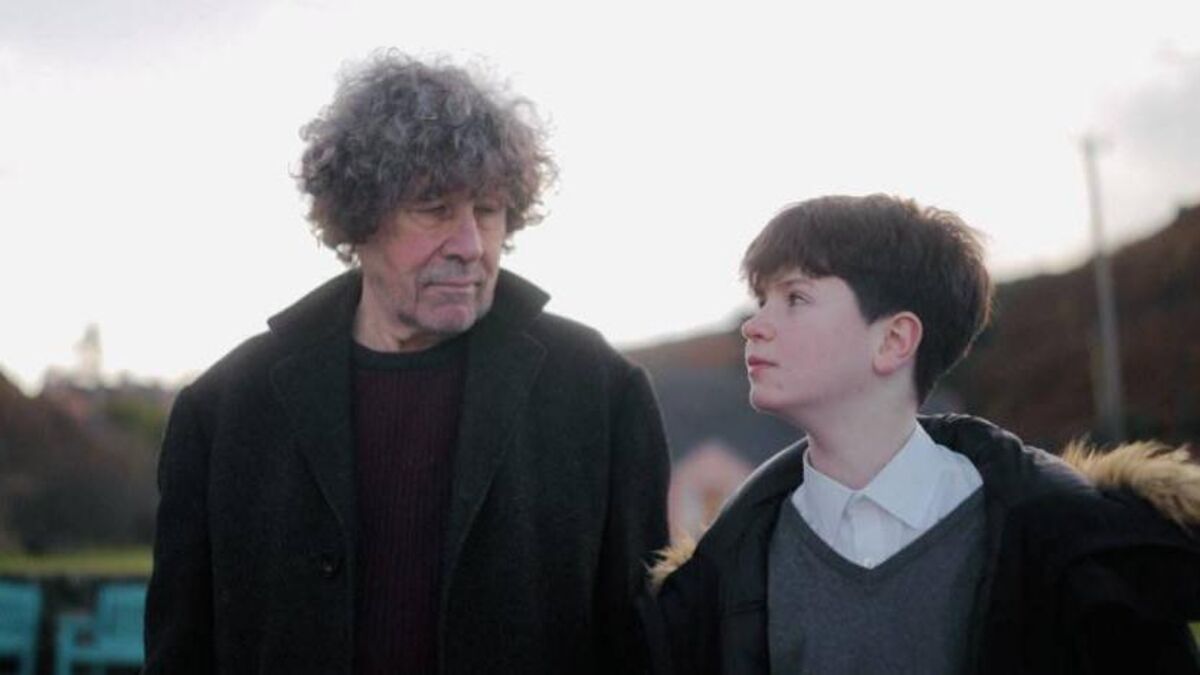
Stephen Rea and Louis Kirwan in scenes from Éist, about a man with dementia and his relationship with his son and grandson
Named after Oscar-winning Cork-based producer David Puttnam, it is an important stepping stone for new voices in Irish cinema. Winners have one year to make their film, which must be shot in Cork and premiere at Fastnet.
The latest Puttnam winner to screen was , starring Stephen Rea and Aaron Monaghan.
The film follows a son (Monaghan) navigating his father’s (Rea) dementia as he is drawn back to a childhood trauma, and a young grandson (Louis Kirwan) who sneaks him from his nursing home back to his childhood home on Cape Clear.
The film is written and directed by Róisín Kearney and produced by Caroline Grace-Cassidy. Kearney says the story draws on a personal connection to the film.
“I wrote it nine years ago, and it was centred in my own circumstances because my mother-in-law was in a nursing home.
“It always stayed with me that they accepted the world as it is, and they didn’t question it.”
Since then, Kearney has written several short films, but says she was always drawn back to her first script.
Grace-Cassidy says there is often something special about early pieces of writing.
“There’s something really raw about those first pieces of writing. I know so many screenwriters and novelists who say: “Oh, I wrote this thing and threw it away in a drawer. I didn’t think it would go anywhere’. But those early writings have a real raw aura about them.
“I’d urge any screenwriter out there never to think it’s gone just because it hasn’t gone into production. Everything has its time.”
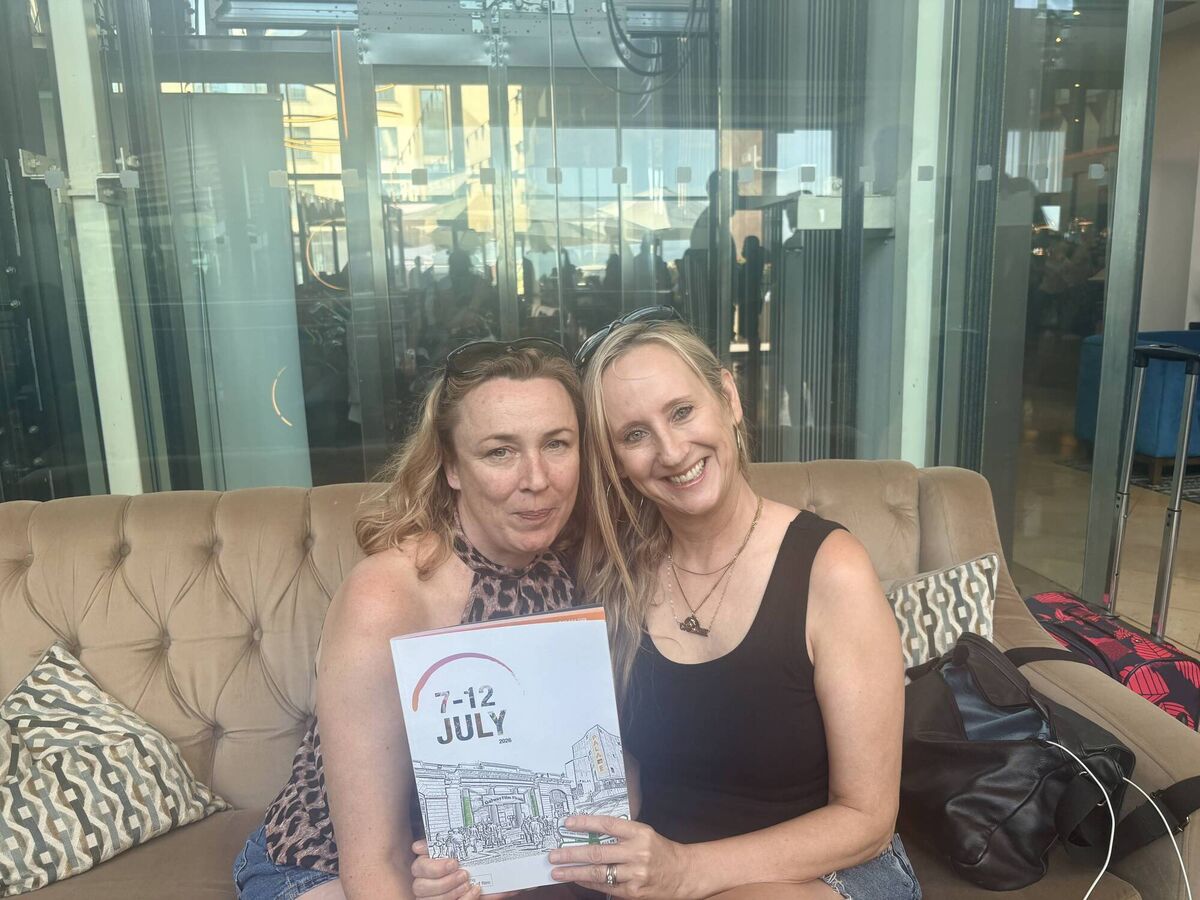
The two creatives have been friends for many years, first meeting while working at City Arts Centre in Dublin. They have since collaborated on several projects.
Kearney says she was petrified of presenting the film pitch at Fastnet, but had plenty of support.
“Public speaking is not my comfort zone at all, but Caroline was at home, and she sent me messages. Then there were women in the industry who I’ve known over the years in Schull. That’s the one thing about the women in this industry: they’re so supportive. They all said, ‘Go for it’, so that was really nice.
Not many film-makers manage to convince Stephen Rea to sign up for a short film, but Grace-Cassidy says she knew deep down that he would want to be part of it.
“I knew that if I could get the script to him, I had a feeling he’d go for it. Lenny Abrahamson, who’s a friend of ours, gave us Stephen’s email. We emailed him and said, ‘Can I send you the script?’ He came back and said, ‘Yeah, I love this, but I’m really busy’.”
The creatives worked around Rea’s schedule, and Grace-Cassidy says he was every bit the national treasure they hoped he would be.
“He was generous on set, and so lovely to be around, insightful, and so funny. He was really great.
“We had him on boats, cars, trains, buses, dangerous beaches - he was up for all of it.”
The film also has the honour of being the first time that Rea and his actor son Danny Fintin Rea have appeared on screen together, which both the director and producer say was brilliant to be part of.
Kearney says they were equally delighted to cast Aaron Monaghan, most recently seen on screen in RTÉ’s
“Aaron is magic, and has incredible energy. He’s so understated, and he really listens and understands. He’s a lovely person to work with. We had a few goes through the script and chatted about it, and there was never a moment where you felt like he was thinking, ‘Oh well, this is just a short’.
“Everything went into it. I really admire that because I don’t think he’s a person who ever gives second best, and he’s incredibly committed.”
Kearney and Grace-Cassidy say they had an incredible experience filming in West Cork, with immense support from West Cork Studios and the local community.
Their appreciation extended so far that Eleanor O’Donovan, from Schull, who provided catering on the film, was given a small role in Éist.
O’Donovan wasn’t the only local drafted in, says Grace-Cassidy.
“We almost ran over a man on a very winding road while looking for piers, and instead of being annoyed, Ciaran offered to help. He was unbelievably helpful throughout the shoot, so much so that we gave him a production manager credit on the film.”
Rea’s character speaks Irish, and Kearney says it was important to ensure the film used authentic Cork Irish from the period when he would have been young.
“People from Cape Clear did the translation with Peadar Cox, who works on Irish-language films, and it’s all original to Cape Clear Irish from the 1950s. Authenticity was something we were really conscious of and wanted to preserve.”
is currently on the festival circuit, and Kearney and Grace-Cassidy hope to turn the short into a full-length film in the near future.