Cork Views: Shaping the future of cancer care in Ireland
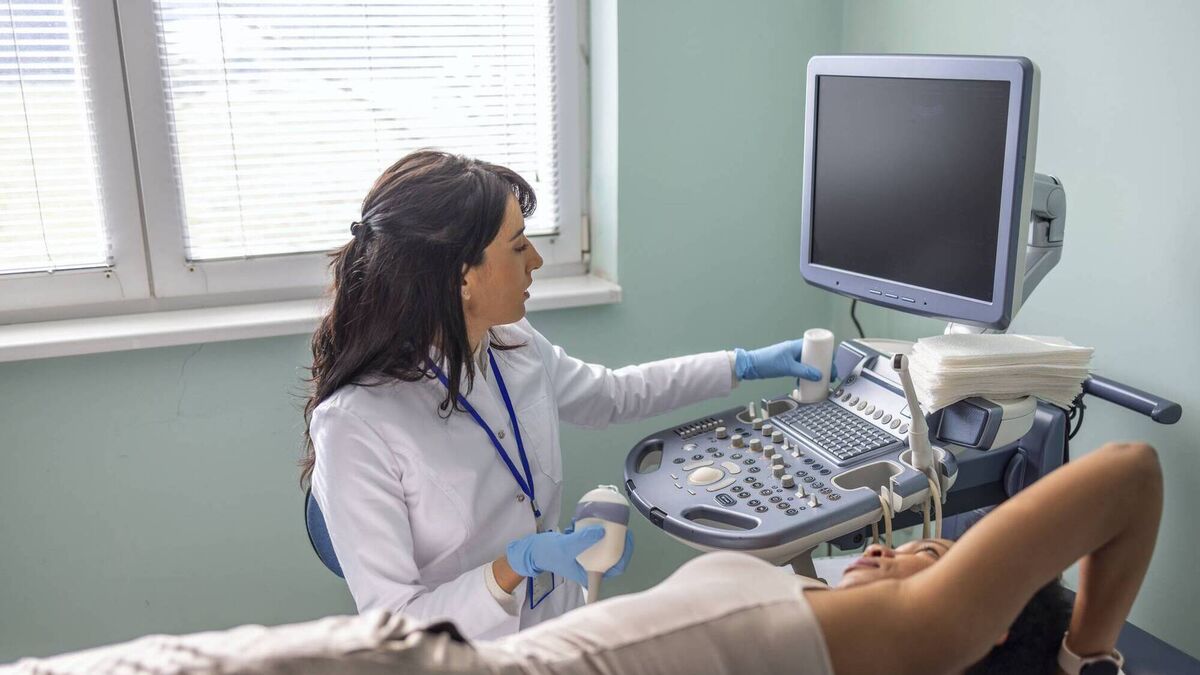
AI may play an important role in shaping how we diagnose and treat cancer in the future. iStock
Cancer continues to be one of Ireland’s most significant public health challenges. As the demand for cancer services grows and medical innovation advances at an unprecedented pace, the question is no longer whether cancer care should evolve, but how it should evolve to meet the needs of patients.
Recognising this challenge, AstraZeneca Ireland officially launched Perspectives Matter recently, a campaign aimed at bringing together patients, healthcare professionals, policymakers, researchers, and industry to shape the future of cancer care. The campaign begins by exploring one of the most transformative developments in modern medicine, artificial intelligence (AI), and its potential to improve cancer care while maintaining public trust and patient-centred healthcare.
As part of the launch, AstraZeneca released the findings of an omnibus survey conducted by Ipsos B&A among 1,056 adults in Ireland.
The research sought to understand public attitudes to cancer, confidence in the healthcare system and expectations surrounding the use of AI in healthcare. More importantly, the findings provide an evidence base for discussions on how innovation, investment and collaboration can strengthen Ireland’s cancer services while ensuring AI is introduced responsibly and in ways that complement healthcare professionals.
The survey demonstrates that cancer is not a distant health issue for most people in Ireland; 75% of respondents had direct or indirect experience with cancer, while almost two-thirds had a close family member or friend currently living with, or having previously lived with, the disease. Cancer has become an experience shared across almost every community, helping to explain why public expectations for better cancer services remain consistently high.
One of the strongest messages from the research is the public’s commitment to early detection; 78% of respondents intend to participate in cancer screening programmes when invited.
However, this willingness is accompanied by growing concern about whether the healthcare system has sufficient capacity to respond effectively. Nearly three-quarters worry the health service may struggle to identify, diagnose and treat cancer quickly enough. These findings highlight an important challenge for policymakers: encouraging participation in screening must be matched by investment that ensures patients can access timely diagnosis and treatment.
The survey also points to declining confidence in Ireland’s ability to deliver world-class cancer care; 54% of respondents believe cancer care available in other high-income countries is superior to what is offered here.
Meanwhile, over a third disagreed that people in Ireland have access to the latest cancer treatments. Public confidence in government commitment is similarly mixed. Although almost nine in ten respondents support increased investment in cancer care, only 30% believe the Irish Government is currently prioritising cancer services, and 47% disagree that sufficient priority is being given to it.
Together, these findings suggest improving cancer outcomes requires not only greater investment, but stronger public confidence that Ireland can deliver equitable, innovative care.
Public awareness remains another important area for improvement. While seven in ten reported knowing what to do if they suspected cancer symptoms, almost two-thirds admitted they were concerned they might not recognise the early signs. Earlier diagnosis remains one of the most effective ways to improve patient outcomes, making continued public education and awareness campaigns an essential component of future cancer policy.
Against this backdrop, the Perspectives Matter campaign places artificial intelligence at the centre of a conversation about the future of cancer care. Rather than presenting AI as a replacement for healthcare professionals, the campaign highlights its potential to strengthen healthcare delivery, improve efficiency and support better clinical decision-making.
The survey suggests the Irish public is already becoming familiar with AI technologies. More than two-thirds had used public AI tools such as ChatGPT, Google Gemini or Microsoft Copilot in the previous three months, with 28% using these technologies for their own health.
Cancer-related uses of AI were particularly notable. The most common reason respondents said they would use AI was to better understand their own symptoms, or those of someone close to them. Respondents also reported using AI to research health conditions, understand medical test results, learn more about medicines and prepare questions before consulting a healthcare professional.
Importantly, the survey indicates public support for AI depends on how it is implemented. Respondents expressed the greatest confidence in it when it is used to support healthcare professionals rather than replace them. There was strong support for AI helping hospitals improve planning, reduce administrative workloads, speed up diagnostic processes and assist clinicians in interpreting medical scans more efficiently.
For healthcare workers facing increasing workloads and growing demand for cancer services, these technologies have the potential to improve efficiency while allowing more time for direct patient care.
However, the research also demonstrates that innovation alone is not enough. Trust remains fundamental to the adoption of AI in healthcare.
The launch of Perspectives Matter provides an opportunity to move beyond identifying problems towards developing practical solutions for the future of cancer care in Ireland.
The findings clearly show the public wants better access to diagnostics, screening programmes and innovative treatments, while also recognising the opportunities AI offers to improve healthcare delivery. Achieving these ambitions will require continued collaboration between government, healthcare providers, researchers, patient groups, and industry.






 App?
App?


