‘Life-changing’ results from University College Cork run cancer treatment trial
According to a spokesperson for the Irish Cancer Society, findings from the trial could transform post-treatment care for early-stage breast and gynaecological cancer patients, both nationally and internationally
‘Life-changing’ results from University College Cork run cancer treatment trial

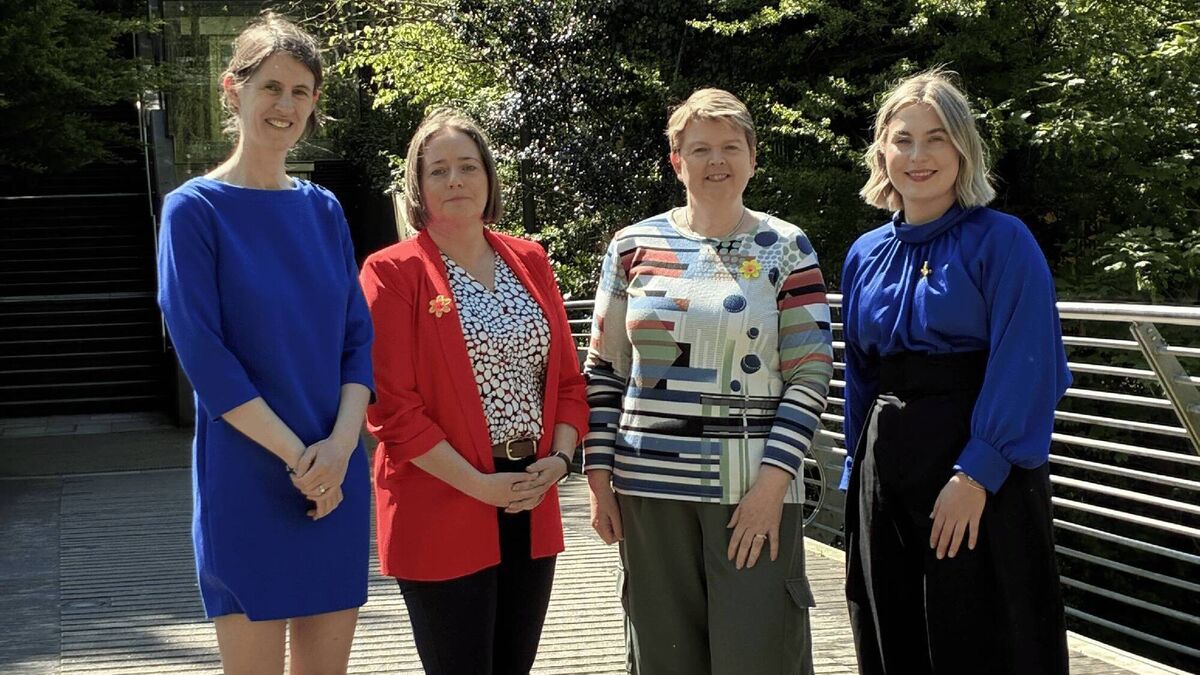
The LYSA post-cancer treatment programme team: Roisin Connolly, Kate O’Connell, Josephine Hegarty, and Katie Johnston.

Findings from a post-cancer treatment programme, Linking You to Support and Advice (LYSA), could transform care for early-stage breast and gynaecological cancer patients, according to the Irish Cancer Society.

The LYSA programme, funded by the Irish Cancer Society, was run by Cancer Research at University College Cork in care centres across Cork University Hospital (CUH) and University Hospital Galway.

Designed with patients in mind, the dedicated nurse-led service is now up and running in CUH as a result of the LYSA trial.

According to a spokesperson for the Irish Cancer Society, findings from the trial could transform post-treatment care for early-stage breast and gynaecological cancer patients, both nationally and internationally.

A cohort of 200 women participated in the LYSA trial and were evenly split into two groups.

One half formed a control group, which received standard follow-up care, while the other 100 patients received the new digital LYSA model of care.

LYSA patients completed an online survey every two months which monitored specific symptoms. Based on their survey responses, participants were then offered virtual nurse or dietetic consultations with a view to helping patients manage their symptoms.

Life-changing

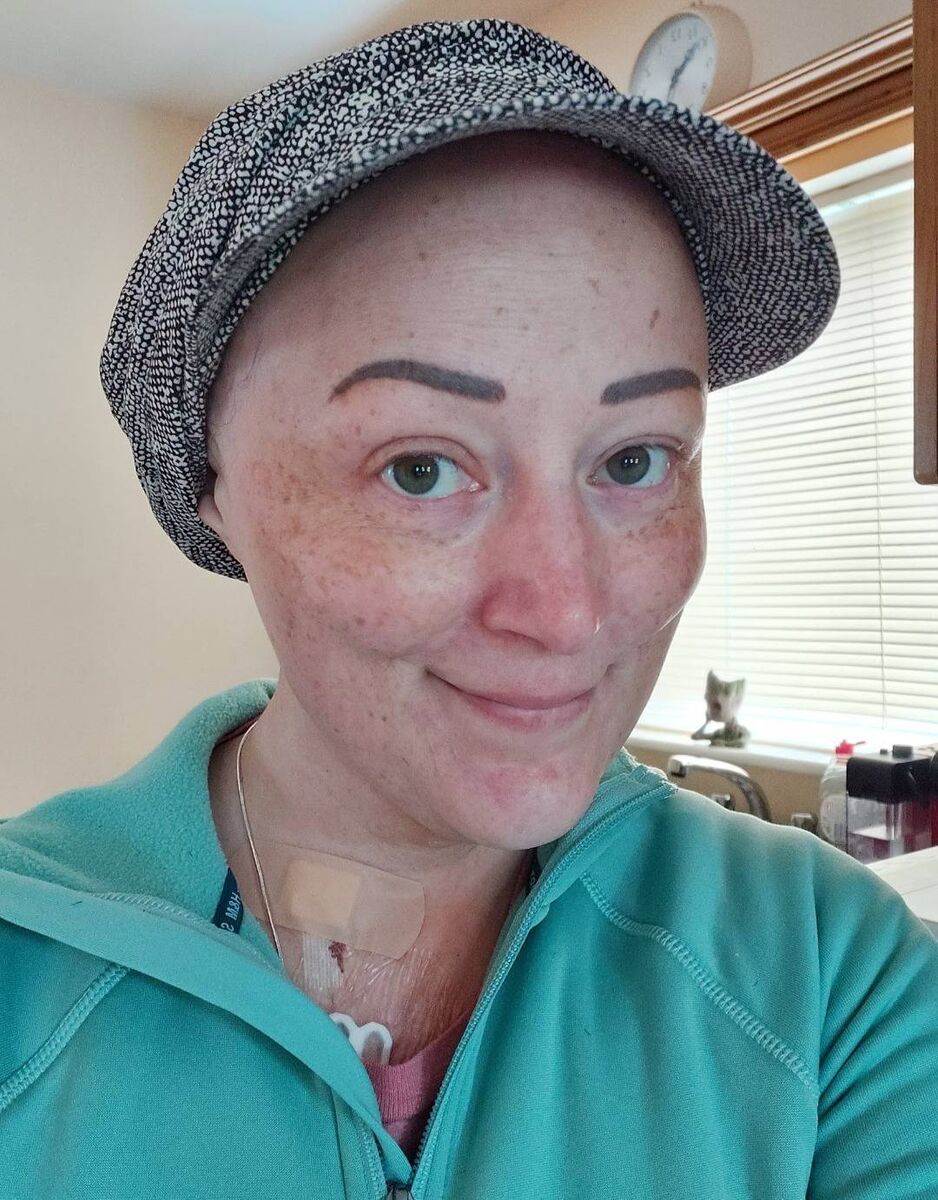
Cork-based participant Elaine Walsh, who was diagnosed with breast cancer in 2020, said the LYSA trial has been “life-changing”.

Elaine Walsh in October 2020 during treatment.

“It’s scary after you finish treatment, you’re kind of out on your own, but I knew that being part of the LYSA trial meant if I had any symptoms, I could raise them and they’d help,” said Ms Walsh.

“I had psoriasis all over my body, and I mentioned it to the LYSA nurse, and she got me a consultation with a dermatologist.

“I’m on an immuno-suppressant now and have no psoriasis, which is great for my confidence. The LYSA trial has shaped who I am today. It helped me with being able to stand on my own two feet again after going through cancer treatment.

“It has been life-changing for me — the level of support and the speed with which my symptoms were addressed have been hugely helpful.”

The aim of the LYSA trial was to establish the feasibility of this model of post-treatment care and saw all pre-defined criteria met.

Post-treatment care

The first feasibility criterion was enrolment of 200 women, the second criterion was that more than 50% of women completed baseline and endpoint surveys, and 86.5% of participants achieved it. 

The final criterion was that more than half of participants would engage with a nurse or dietitian after a symptom trigger — 84% engaged with a nurse and 72% with a dietitian.

Professor Josephine Hegarty, co-principal investigator of the LYSA trial, said health programmes that use digital tools can make “a real difference for people recovering from breast and gynaecological cancer”.

“By combining easy-to-use technology with practical self-care support and direct access to nurses and dietitians, the LYSA programme helped women stay involved in their care, keep track of symptoms, and get personalised support when they needed it.

“This approach shows how digital care can empower patients, improve continuity of care, and support quality of life as patients manage the long-term physical and emotional effects of cancer treatment.”

more Cork health articles

Cork University Hospital down 570 on-site car-park spaces Cork University Hospital down 570 on-site car-park spaces
Cork paramedics take to the picket line as more strikes planned Cork paramedics take to the picket line as more strikes planned
Cork ambulance services will be 'significantly impacted' by industrial action Cork ambulance services will be 'significantly impacted' by industrial action

More in this section

Prisoner Drunk man who told gardaí in Cork city 'I'm hunting coppers' jailed
Law and justice concept Sentencing of man who smashed 39 TV screens in two Cork bookies delayed   
Tom MacSweeney: Cork’s River Lee is a wasted resource, say key players Tom MacSweeney: Cork’s River Lee is a wasted resource, say key players

Sponsored Content

City Tiles and Bathrooms: Latest trends and timeless colours City Tiles and Bathrooms: Latest trends and timeless colours
Step into nature during National Biodiversity Week Step into nature during National Biodiversity Week
55 years of Cork Simon Soup Run: The light that has never gone out 55 years of Cork Simon Soup Run: The light that has never gone out
Contact Us Cookie Policy Privacy Policy Terms and Conditions

© Examiner Echo Group Limited

Add Echolive.ie to your home screen - easy access to Cork news, views, sport and more