Graffiti: A 20-year success story for Cork city
As the Graffiti Theatre in Blackpool marks its 20th anniversary, ROZ CROWLEY visits the arts space, and hears about its success story
Graffiti: A 20-year success story for Cork city

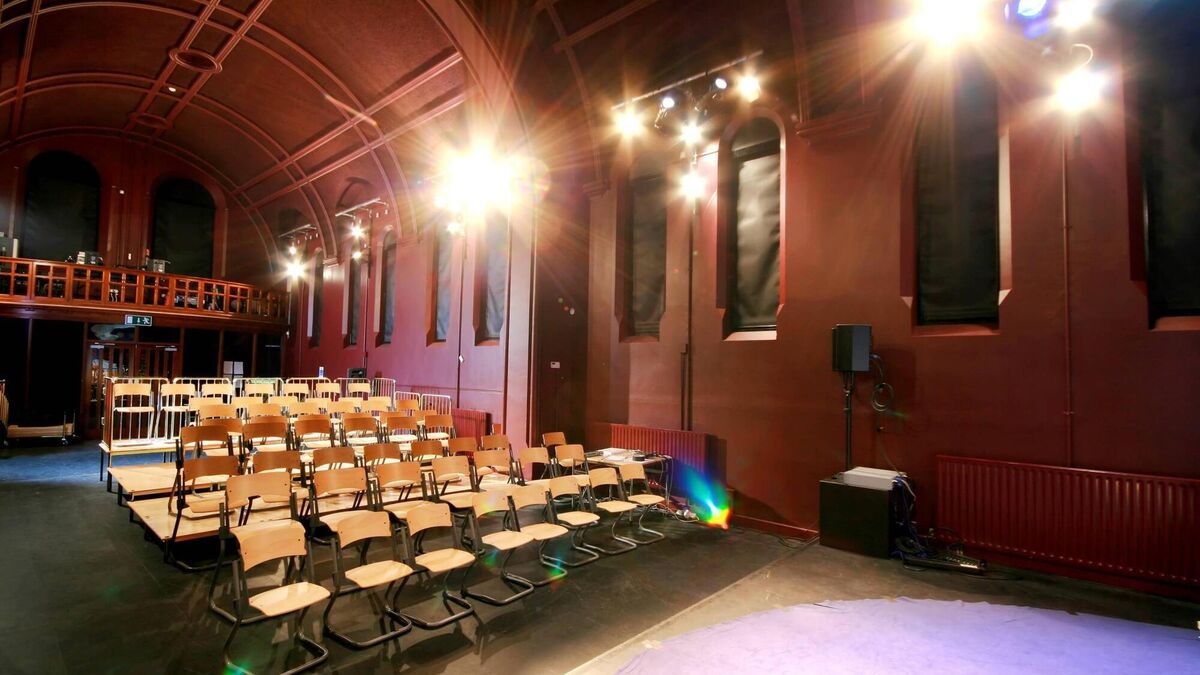
The interior chapel of the Graffiti Theatre. Picture: Miki Barlok
A walk through Graffiti Theatre gives us a glimpse of 120 years of a part of Cork’s history.

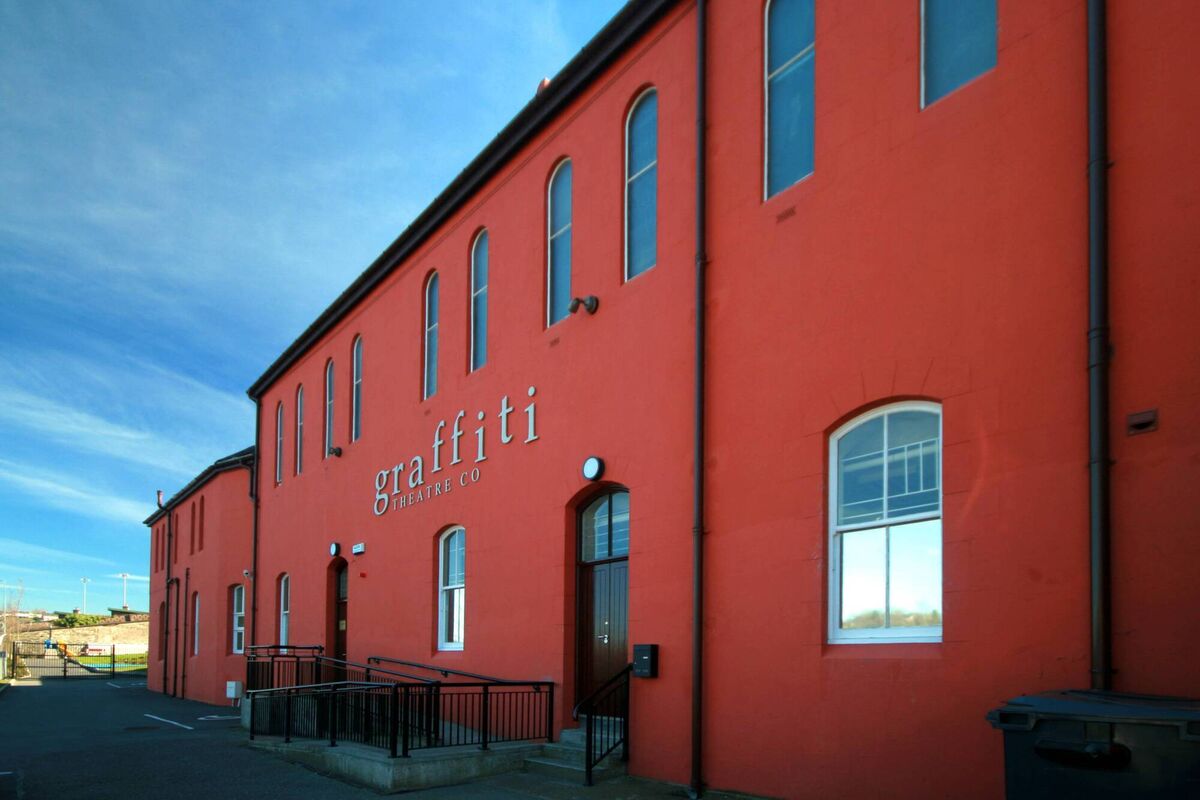
Located on Assumption Road, Blackpool, the distinctive terracotta colour of the exterior with its playful logo is hard to miss high on the right travelling towards Blackpool Shopping Centre, less than a kilometre from the centre of Cork.

This month, Graffiti celebrates 20 years since its move to the old Assumption convent, and the staff, participants and theatre-goers couldn’t be happier.

The creative centre for children and young people originally owned their base at The Weighmaster’s House in Shandon, but in 2005 they were offered a swap for the convent.

The exterior of the Graffiti Theatre, Cork Picture: Miki Barlok

The founder in 1984 of the theatre company, Emelie FitzGibbon, negotiated the deal with then Cork City Manager, Joe Gavin, whose plans for the development of the Butter Museum included the Weighmaster’s House.
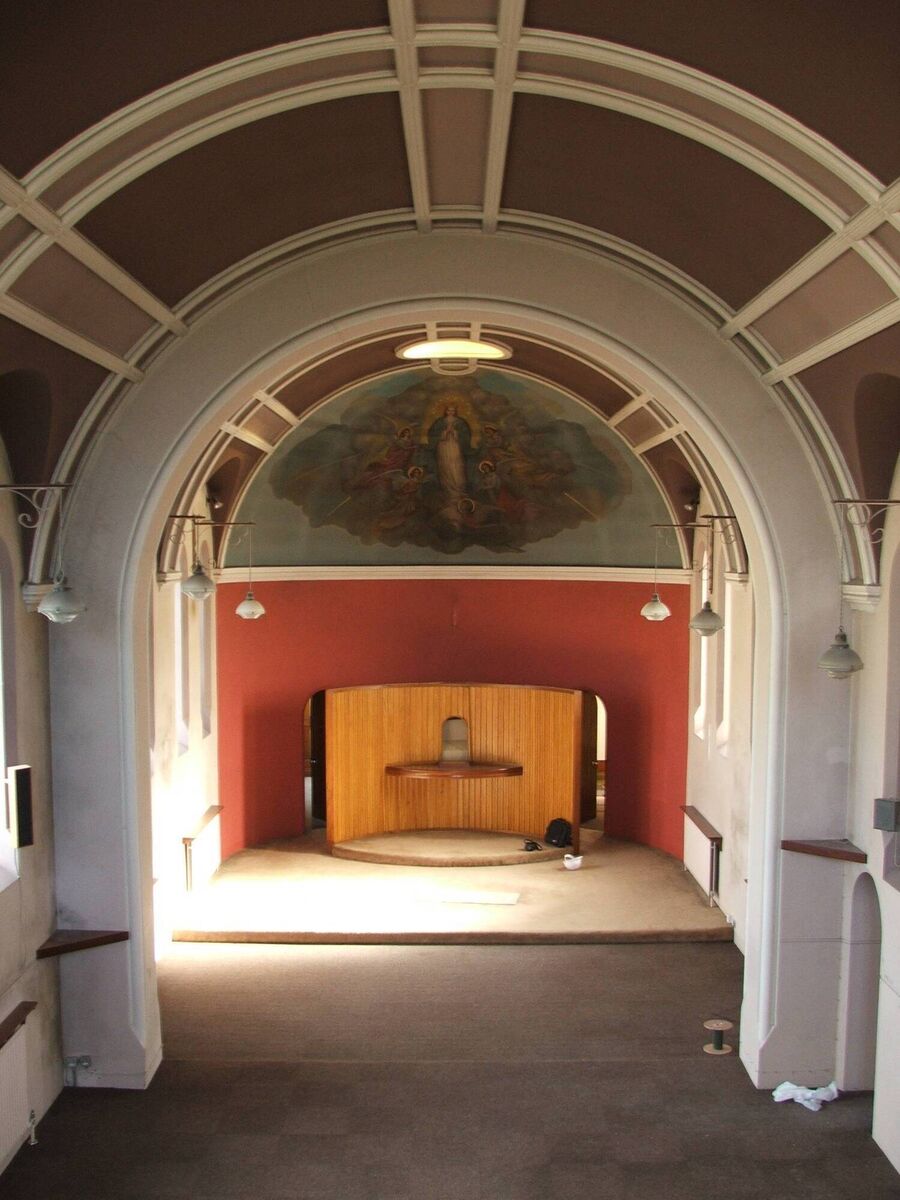
It was a match made in heaven. A €500,000 refurbishment fund for the former Assumption Convent chapel (originally built in 1907) adjoining the City Council’s Foyer development was gathered from Cork City Council, the Department of the Arts, and the Arts Council, and it was completed on budget.

On two floors, it provides space for Graffiti’s programmes held in-house and in schools throughout Cork. Their weekly Activate Youth Theatre and Fighting Words programmes see young people explore theatre making and creative writing with professional artists.

The BEAG programme offers creative experiences for under threes - it’s never too soon to spark an interest in the arts, and keeping children away from electronic devices can start young too.

Access needs are well catered for, and often introduce young audiences to ambitious, live theatre for the first time.

A home for creativity, the centre nurtures potential,where participants can relax, overcome shyness, and explore their creative voice in a safe and inclusive space.

Up the stone steps, entering via the original arched chapel doorway, leads us directly into the theatre where Graffiti productions are staged. Here, imaginative young people also get a chance to see their creative writing, lighting, sound, stage management, production and director skills put into action.

These are learnt in workshops which are consciously not pressurised, but are led by professionals in their field who understand what it takes to nurture talent. Standards are high, but walking into the theatre before a performance and you feel a sense of excitement and camaraderie. Talent in the raw.

The architect responsible for the conversion of the deconsecrated convent chapel to a theatre is Paul Hudson, of Hudson Associates. As we walk into the atmospheric auditorium, with blackout blinds on the original windows, the walls are not a perfunctory black, but a warm, soft garnet colour with a fibrous texture to absorb sound. Getting the acoustics right was crucial.

“We had a terrific team on this project,” says Paul. “The main contractor, Joseph Lane & Sons, Cork, worked very well with Chris Southgate and Associates Consulting Engineers, and Eanna O’Kelly, the Acoustics Consultant and my colleague Declan Casey. We had a great client, so it was a satisfying project to work on.”

The old altar in the Graffiti Theatre, showing the mural

Two years after the initial works, Paul Denby, a theatre lighting consultant, and Eddie Breslin, a sound engineer, joined for the fit out.
Safety exits, disabled access, and toilets, were added to the space with flexible, mobile seating, and electrics were upgraded.

The priests’ rooms and sacristies behind the altar were converted to back-stage dressing and costume rooms.

The stage for most of the productions, which include performances by professional actors, sits in the original altar space. Old photographs show a mural over the altar.

When the chapel was deconsecrated, all religious symbols were removed, but the mural remained. Paul Hudson covered it in a specialised material that, if ever needed, could be removed to reveal it again. He also carefully covered the original terrazzo flooring, and extended a new, resilient (much less echoing) material throughout the auditorium.

We descend a beautiful wooden staircase (full marks to joiner Finbarr Ryan of Lane’s) into what once were the dining and assembly rooms, now used for workshops and rehearsals, and Graffiti’s administrative offices, the pumping heart of the theatre company.

There is a kitchen with a great teapot once used as a stage prop. In the main office a boat, once on set in another play, standing on its stern, is now a coat stand, the office desks are former set pieces. Not much goes to waste here.

Hudson & Associates won a Business to Arts award for the conversion. “It was a fabulous project,” says Paul. “An interesting challenge with an existing building, but architects love constraints. We can be intimidated when faced with a blank page!”

He admired the positive energy and foresight of Emelie FitzGibbon and General Manager at the time Jennifer O’Donnell. “It obviously continues, with Artistic Director Niall Cleary and Deputy Director Lynn Canham at the helm.

Their team is constantly dealing with the practicalities of accessing funding for even more innovative, creative projects. It takes persistence and imagination, and it’s worth every kilowatt of energy that has managed this conversion from a contemplative space to its own form of reverence for the individual, along with group sharing of the power of what lies within.

More in this section

Traffic jam with a row of cars on a highway during rush hour in the evening after work. red brake lights of stopped cars on the Trevor Laffan: I’m living in a country with the most courteous drivers? Pah!
Multi-channel Pipette for Cancer trials: your common questions answered
John Dolan: Imagine the blowback if they built a nuclear plant in Cork... John Dolan: Imagine the blowback if they built a nuclear plant in Cork...

Sponsored Content

City Tiles and Bathrooms: Latest trends and timeless colours City Tiles and Bathrooms: Latest trends and timeless colours
Step into nature during National Biodiversity Week Step into nature during National Biodiversity Week
55 years of Cork Simon Soup Run: The light that has never gone out 55 years of Cork Simon Soup Run: The light that has never gone out
Contact Us Cookie Policy Privacy Policy Terms and Conditions

© Examiner Echo Group Limited

Add Echolive.ie to your home screen - easy access to Cork news, views, sport and more