Cancer trials: your common questions answered
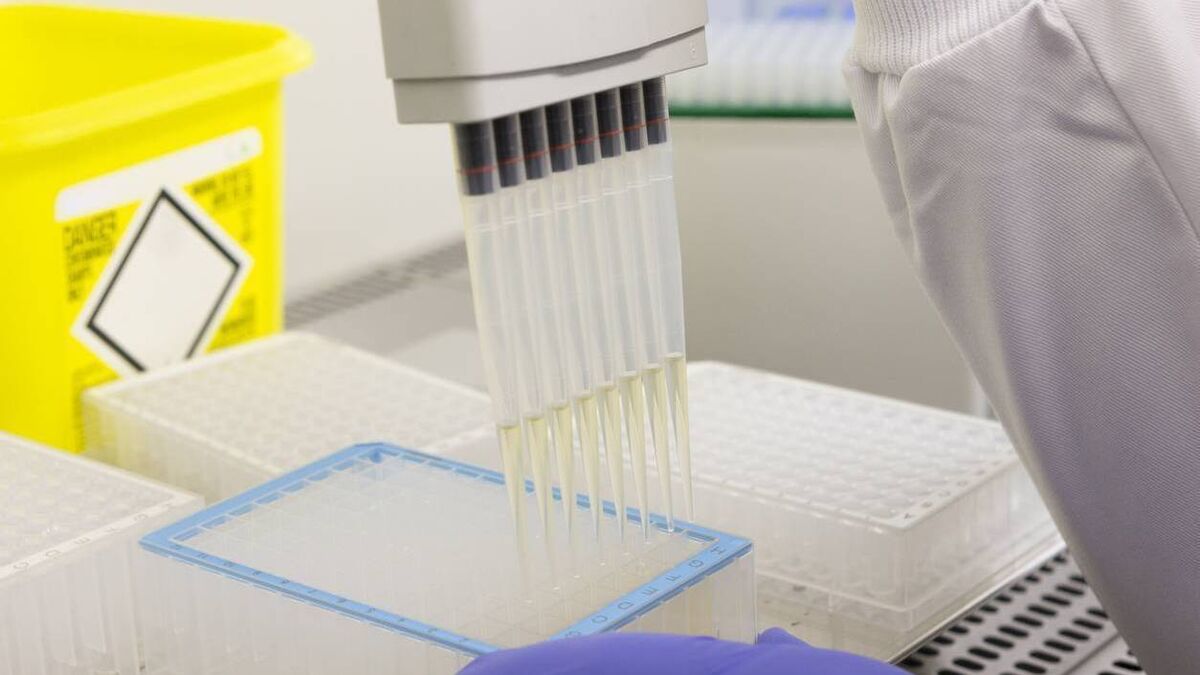
VITAL PROCESS: All cancer treatments were once tested through a cancer trial
Last year, almost 5,000 people took part in cancer clinical trials in Ireland. There are currently 131 cancer trials actively recruiting around the country, across a wide range of cancers, with an additional 120 trials in the treatment/follow-up stage, and 74 new trials in development.
For those who may be interested in pursuing this, Cancer Trials Ireland has announced details of a forthcoming webinar, Let’s Talk Trials: All You Need to Know About Cancer Trials, on Friday, May 22 at 2.30pm.
The event marks International Clinical Trials Day, which takes place in May and is part of Cancer Trials Ireland’s annual campaign to encourage greater discussion between doctors and patients about available cancer clinical trials.
Clinical trials help medical professionals to find better ways to prevent cancer, to detect it earlier, to treat it with new therapies, and to improve quality of life.
The 2026 campaign comes against a backdrop of latest figures from the National Cancer Registry Ireland showing there are now approximately 24,200 people diagnosed with invasive cancer here each year.
Excluding skin cancer, the most common cancers are prostate, breast, lung and bowel. In fact, it’s estimated that one in two of us will be diagnosed with cancer at some stage during our lifetimes.
The webinar will hear from experts on what to expect in a cancer trial, with contributions from Professor Seamus O’Reilly, Clinical Lead, Cancer Trials Ireland, and Dr Claire Kilty, Head of Research at the Irish Cancer Society. Anne Bodley, who was diagnosed with breast cancer, will offer her first-hand experience of taking part in a cancer clinical trial and what it meant for her.
Registration for the webinar is free and open at
www.cancertrials.ie/letstalktrials
For Prof. O’Reilly - who is based in Cork - the benefits of taking part in a trial are not only for the patient concerned but for future generations too:
“All cancer treatments today were once tested through a cancer trial. These are essential in determining if a new treatment is safe and more effective than the current standard of care,” he said.
“Of course, trials can also include medical devices, blood sampling and other investigations, which are crucial to patient care.
“Trials afford us the opportunity to keep learning and advancing what we do. They help us to find answers that may not only help those taking part, but also other patients with a similar diagnosis, as well as future patients.”
For Angela Clayton-Lea, CEO of Cancer Trials Ireland, medical teams are very open to discussing cancer trials with patients.
“Unfortunately, almost every family in Ireland has been touched by cancer at some point,” she said.
“While we have made great progress in preventing, diagnosing and treating cancer, we still have some way to go in overcoming it.
“If you are undergoing treatment for cancer right now, your medical team will likely discuss any relevant trials taking place with you, as part of a ‘discuss, consider, decide’ approach.
“I’d also encourage you to talk about trials with your doctor or healthcare professional, who will be more than happy to discuss trials appropriate to your circumstances.”
Your Cancer Trial Questions Answered
1. What are some of the pros and cons of taking part in a trial?
A trial may provide you with an opportunity to access innovative treatments that are not yet available as a routine medical option.
However, a treatment may equally not prove to be better than current treatments or, while it may work for others, it may not work for you. There may also be some side effects, some of which are not yet known.
2. Will I be treated like a ‘guinea pig’?
Absolutely not. Trials are highly regulated and patient safety is continuously monitored. In many cases, participants have more care and are monitored more closely, with more hospital visits and opportunities to ask questions about their condition and general well-being.
It’s worth reflecting that early phase trials involve only a small number of usually healthy volunteers to test safety of various doses of new drugs and possible side effects.
3. Is a clinical trial a case of ‘last resort’?
No. Trials can be at many different stages of a person’s diagnosis. While some are for people at advanced stages of disease, many others are conducted at the very beginning of treatment.
4. Is it possible I will be placed on a placebo in a drug treatment trial?
No. In cancer treatment trials, you generally will not receive an inactive substance, known as a placebo. Instead, you are randomised to receive either the new, experimental treatment or the current best standard of care. This ensures that you are still receiving active, recognised treatment while contributing to research.
5. Are there reasons why I might not be able to take part in a trial?
Yes. A trial may be for a certain age group, for people with a particular type or stage of cancer, or for patients with specific previous treatments.
It may also exclude patients with other conditions, those already taking a drug that may give rise to an interaction, and women who are pregnant.
To find out information on all the cancer clinical trials taking place in Ireland, visit www.cancertrials.ie or call the Irish Cancer Society’s Nurseline on Freephone 1800 200 700.







 App?
App?


