Trevor Laffan: At 30,000ft, a little bit of jet etiquette goes a long way...
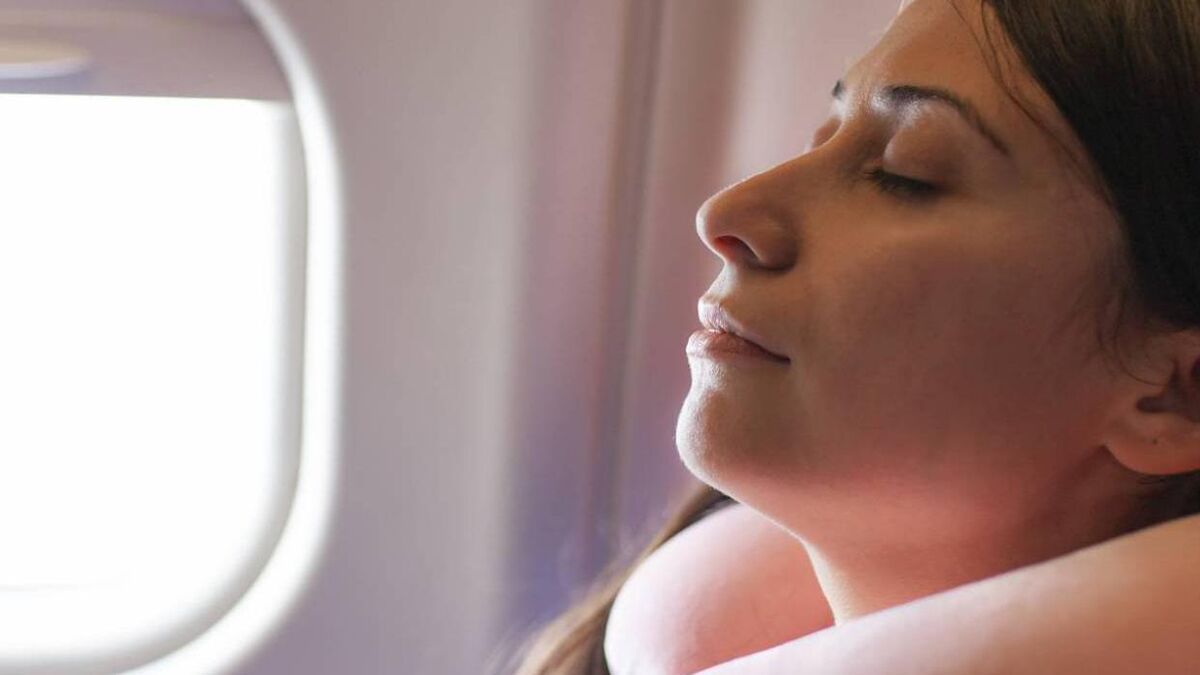
Budget airlines usually get us to our destination without too much fuss, and while they don’t provide many creature comforts, they don’t pretend to either.
You know that when you’re making the booking, so there are no surprises.
Airlines do have issues occasionally though, such as cancellations, delays and diversions. Spanners in the works are always a possibility, but that’s a chance you take.
There can be some minor irritants too that require a little patience from time to time, but that can happen anywhere. Like when you’re standing outside the aircraft in the wind and the rain but can’t board because of the guy in the aisle who is holding up the show.
He’s fiddling with his coat, looking around him surveying his new surroundings, then spends an eternity rooting through his bags before eventually putting them in the overhead locker.
Cabin crew gently remind him to please take his seat quickly, but that plea falls on deaf ears.
Not all passengers are trouble-free. There are numerous online videos showing angry and often violent exchanges between airline passengers, occasionally resulting in the plane being diverted to allow the combatants to be removed by the police.
That is something that seems to be happening more frequently in recent years, I think.
The cause of these disputes is often difficult to establish, but they usually happen when one or more of those involved is under the influence of some intoxicant or other.
Chances are, in the cold light of day when they sober up, they can’t remember how they came to be looking out through the bars of a prison cell in a foreign land.
At 30,000ft, there’s not a lot you can do with drunks except cut off their alcohol supply and hope they fall asleep soon after take-off.
If I had my way, I’d block drunks from boarding the plane in the first place, and I would ban them from booking further flights with that airline - but that’s not going to happen.
You never know what other passengers might be going through, but drunks don’t care that some of their fellow passengers might already be struggling to cope with the journey.
I met an elderly man on my last flight, and he was heading home to attend a funeral of his nephew. I doubt very much he was in the form for listening to alcohol-fuelled nonsense.
A bit of consideration goes a long way, and that’s something that’s definitely required on long-haul flights, especially when it comes to the thorny issue of reclining seats.
There have been cases where passengers have ended up covered in wine, coffee, and food after the person in front of them suddenly reclined their seat without giving any warning to the unfortunate person behind.
The question of reclining a seat is a regular topic of discussion among passengers. It requires patience and co-operation from everyone, but that doesn’t always happen.
So when should you do it, how should you do it, and should you advise the person seated behind you that you are about to do it?
It wouldn’t be an issue at all of course if there was enough space between seats, but that’s not the case. Planes seem to be getting more cramped if anything.
Some airlines configure seats differently and experts say that the space between seats has decreased over the years.
I made the trip to Australia for the first time more than 30 years ago and there was plenty of leg room. I flew there again on a Boeing 777 12 months ago and I struggled to get comfortable.
There was a little television screen on the back of the seat in front of me, but when that person reclined their seat, the screen became redundant. It was so close to my body, I couldn’t watch it. Even trying to read my kindle was difficult.
If you’re going to be on an aircraft for 18 hours or more, it’s natural to spend a chunk of that time trying to get some sleep, so I didn’t blame the person in front of me. But I was conscious that I would be creating a similar problem for the person sitting behind me if I reclined, so I was reluctant to do it.
Passengers were advised to do this but if that person happened to be asleep, it just made things a bit more awkward.
Some passengers don’t want to be woken for food, preferring instead to sleep as much as possible, and their seat could be reclined for most of the journey, so it makes sense to have some kind of etiquette.
Travel experts suggest it might be appropriate to discuss it with the person behind to see if you can come to an agreement and avoid causing any discomfort.
But that could open a can of worms depending on who is occupying that seat. Suppose they do mind? Does that mean you remain upright for the rest of the flight?
So, we have two options. You could say, ‘I’ve paid for my seat which has been designed to recline so I’m going to stretch out whenever I like’. Or we could try the diplomatic route first. Take your pick.







 App?
App?


