Film Review: Cillian Murphy plays blinder again as anti-hero of gangland
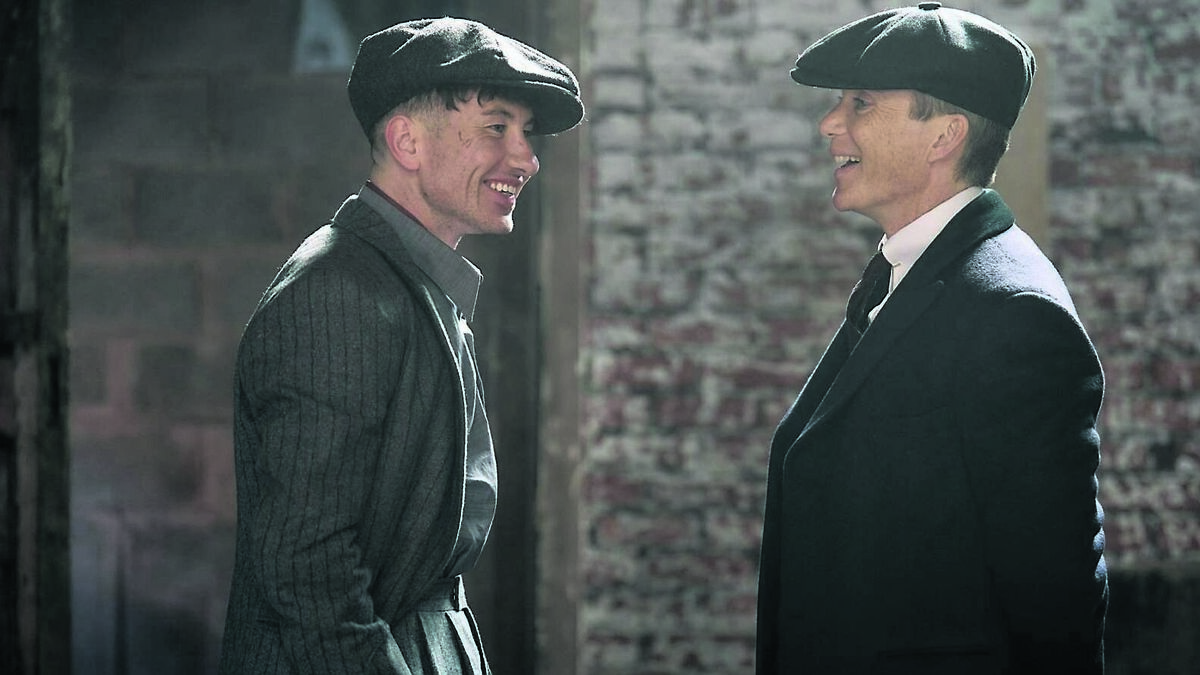
Debuting in 2013, turned a post-World War I Birmingham gang into a global phenomenon.
Led by Cork actor Cillian Murphy as the icy, magnetic Tommy Shelby, the series blended crime, politics, and style.
Its sharp tailoring, modern soundtrack, and brooding anti-hero helped cement its cultural impact, influencing fashion, music, and a generation of prestige television.
With moving to the big screen, the end of season six set the stage for something far bigger than just secret deals and razor-blade caps.
Shelby stood at the centre, a gang leader who became a politician. He used to be driven by ambition and control, but by the end of the last season, he had changed. He was tired, thoughtful, and aware that power always comes with a cost.
What started as a crime drama became a story that connects with real history. The rise of fascism in Britain pushed the action beyond local rivalries and into the tense politics of the 1930s. Now, the danger wasn’t just for one family, but for the whole country.
The finale, however, didn’t satisfy all fans and, as we now know, it didn’t satisfy Murphy, who wanted another go at the Brummie accent.
The big screen outing, , is written by series creator Steven Knight and directed by Tom Harper, with Murphy wearing a producer’s hat as well as his infamous peaked cap.
If you missed out on the show, you don’t have to know every deal or betrayal to watch the film. It fills in the blanks, making it accessible for all.
If you are a diehard fan, be assured that I will go easy on the spoilers, in order of the
Following the events of season six, Tommy has been living in self-exile away from the city of Birmingham. He has cut off almost all contact with the outside world, and although he knows the world is at war, he doesn’t pay attention to it. He has had enough war.
The residents of the midlands city wonder where he is, and rumours abound that he is off writing his memoirs.
Birmingham is suffering at the hands of German bombing raids, and it’s also suffering from the violence of the Peaky Blinders, which is run now by Tommy’s son, Duke (Barry Keoghan).
Fans of the show will know that Duke wasn’t raised with his father, and as a result, he feels no real loyalty to the Shelby clan. He is an angry young man who has inherited his father’s taste for violence.
With Birmingham in ruins and Duke running rampant, something needs to be done, so Ada (Sophie Rundle), Tommy’s sister, asks him to come home and sort out the mess, but Tommy can’t do it. He needs some peace after years of chaos and loss. He cannot return to his old ways.
The only person who can convince him to return is Kaulo (Rebecca Ferguson), a mysterious woman connected to his past and to Duke, who is determined to stop the young Shelby from doing something he will never be able to come back from.
Tommy pulls out this peak cap and fancy suit and arrives back in Birmingham, only to face more heartache and an almighty face-off with Duke.
Tommy and Duke come to an uneasy resolution, but they have big things to face, including an Englishman hellbent on sneaking Nazi contraband into Birmingham. Can the duo stay on track? Will Tommy face his demons? Is Birmingham really ready for the return of the original Peaky Blinder?
This is not a perfect film, mostly because there are times it feels like they forgot they were making it for cinema, resulting in some sets, particularly the Peaky’s pub, looking like something from EastEnders. Other times, it is wholly cinematic.
Murphy is brilliant as always and works hard to bring us a different side of Tommy. Keoghan is perfectly cast as his son, and they have fantastic chemistry, even when they are not getting on.
There is a little too much reliance on the lore of gypsy magic, but I can ignore it - the performances more than make up for any pitfalls. Long live the Peaky Blinders.