Áilín Quinlan: Kim and Beyoncé can’t hold a candle to female Irish legends
She was looking for my expertise on the topic of the divine feminine and Celtic mysticism.
Not a notion, girl, was what I should have said.
But, sure, we all love to be an expert.
So what I actually said was: “Yerra, I’ve some idea about that stuff alright.”
Now, there’s a lesson in making a helping of humble pie for yourself, if there ever was one.
I had no alternative but to crash into Google and ChatGPT to get sources and references for articles about everything from Bealtaine to St Brigid, holy wells, The Tuatha Dé Danann and the festival of Imbolc. What was Imbolc about, my friend wanted to know. “Eh, I’ll get back to you,” I said. And so it went.
As a small child back in the 1970s, my friends and I gathered flowers in preparation for a special May bough which was used in the Queen of the May procession in the seaside village of Whitegate where we lived at the time.
April 30/May1 is the time for the ancient Irish festival of Bealtaine, which marks the start of summer, both through the celebration of fire (which I didn’t know about) and through the gathering and display of wildflowers, which I did.
I vaguely recalled making May altars in school and I remember my granny collecting primroses for one. A May altar was usually a small table laid with a cloth, a statue of Our Lady along with a candle and jars of primroses and other wildflowers like daffodils or buttercups (yellow like the summer sun, basically).
Once that, and more, had been emailed off to my friend, I was on to St Brigid. Here, things got infinitely more complicated.
Once I’d covered the St Brigid’s Cross, I had to research the festival of Imbolc, or Imbolg, which I knew vaguely was the Feast of St Brigid on February 1 and had something to do with the arrival of Spring and the new State public holiday. I was snookered.
“What’s the heritage of Imbolc?” my friend had asked me. Did I know anything about it that she could use in her assignment about a pagan goddess called Brigid who represented fire and who may have preceded the saint?”
“I’ll get back to you,” I muttered.
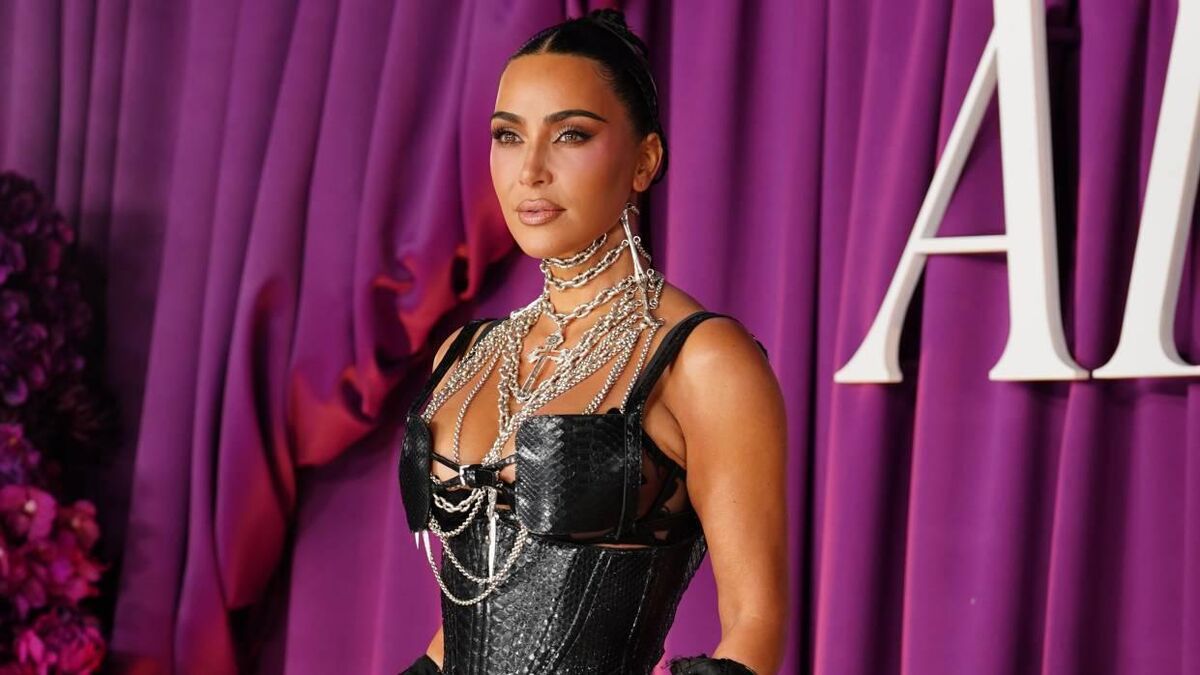
More so than, say, Kim Kardashian or Beyoncé, the kind of people our kids are obsessed with today.
Imbolc is a festival associated with St Brigid and the return of Spring – green shoots, flowers beginning to bud, lambs being born, which is why it’s also called imbolg or imbolc (or in the belly - that is, pregnancy).
But it’s also closely linked to a fiery Celtic pagan goddess called Brigid.
I learned about the Christian St Brigid, who was a real person back in the 5th century, some 1,500 years ago. She seems to have been a powerful woman who defied the misogynism and brutal repression of the Middle Ages to achieve incredible things and against huge odds, and at a time when women were considered incompetent idiots and allotted the status of slaves.
Yet Brigid went on to do all sorts of amazing things, one of which was establishing the Church of Kildare, one of the most powerful churches in Ireland, which had a monastery for both men and women.
Reading about this era, I realised it must have cost Brigid dearly to choose the church over marriage – at that time the only thing women were of any real use for was securing a bride price for their male relatives.
If a girl refused marriage, some families were so enraged that the women were punished by rape.
The Incel culture of the time had a field day with Brigid; there’s a plethora of disapproving, mealy-mouthed tales about her being a lesbian and performing abortions and so on.
But there were also many positive stories – from her renowned kindness to her determination, from her magically ‘expanding’ cloak which gained her acres of land for her church, to her ability to cure children’s ailments and even turn water into beer.
Brigid is also the patron saint for many professions, from sailors and blacksmiths to midwives and poets.
So that’s Brigid the woman and Brigid the saint. As great a figure as St Patrick ever was, if you ask me, but less revered, because she was female.
After all, it’s only now that we have a public holiday named after her (our 10th, and the only one to be named after a woman.)
Then there is Brigid, the goddess of summer, poetry, water and fire, a member of the supernatural race of the Tuatha Dé Danann, who were here even before the Celts. Brigid, the daughter of the chief God, The Dagda, “‘the fiery arrow’.
There are also schools of thought which say there is no evidence that the Celts ever worshipped a goddess called Brigid.
And there’s a theory that there was only ever one determined and well-connected real lady called Brigid whose achievements gave rise to legend.
“What will I do?” my friend wailed.
“Include it all”, I instructed. I’d brought more confusion than clarity to the college assignment. But I’d helped make it more interesting.
Much more interesting than what Kim Kardashian eats for her dinner. You can’t deny that.
By the way, we should thank our stars that St Brigid’s Day even made it onto the Irish calendar as a public holiday – it nearly didn’t because of a mind-boggling campaign to put an American-style Thanksgiving Day in November instead.
God between us and all harm.






 App?
App?


