What it means to have both ADHD and autism
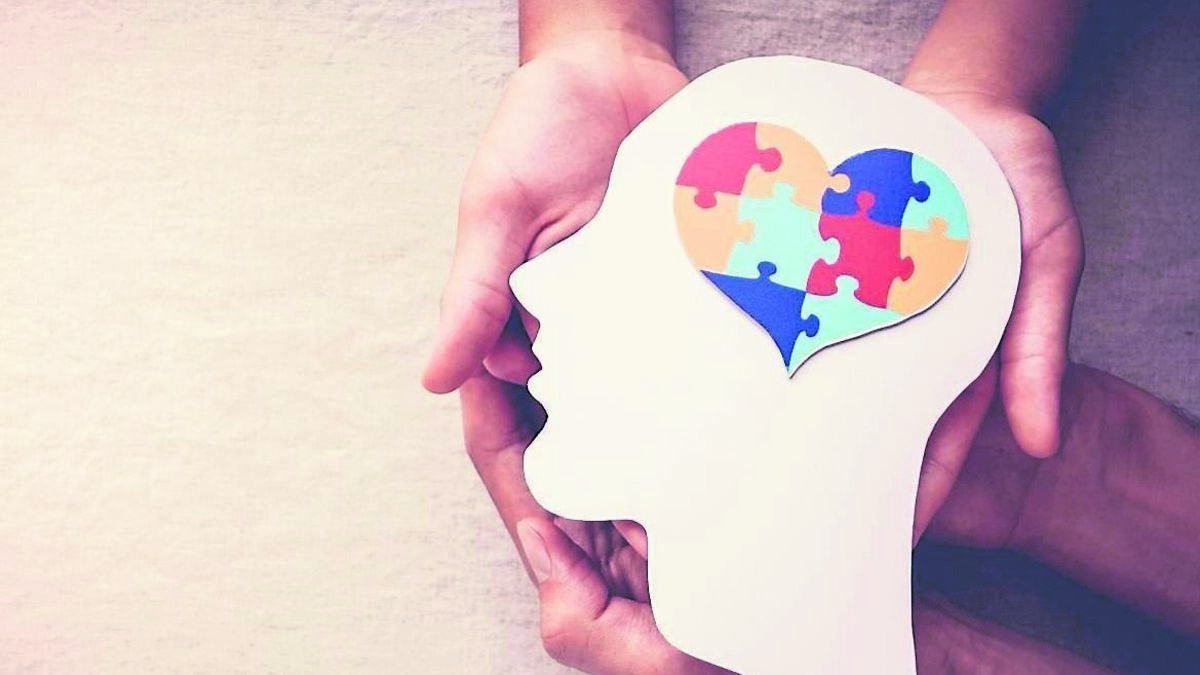
“To be AuDHD, and to experience the world with such depth, intensity, and sensitivity - has the potential to be deeply enriching”
March 17 marks the beginning of Neurodiversity Celebration Week, and while awareness is growing, many continue to experience stigma and discrimination.
Today, I want to talk about AuDHD, which is a relatively new discovery.
It wasn’t until 2013 that autism and ADHD were thought to be mutually exclusive - you could only have one, not both. Today we know that is not true, and that as many as 30% of autistic people are also ADHD, and vice versa.
Yet how is it that two seemingly opposite neurotypes can co-exist?
ADHD, on the one hand, loves spontaneity and novelty, has a brain running 100 miles a minute, thrives on stimulation, and is socially driven. On the other hand, autism loves structure and routine, needs lots of alone recovery time, thrives in order and organisation, and is often sensorily sensitive. How is it possible that these two could coexist?
This partially explains the recent uptick in adult autism and ADHD diagnoses. When both are present, they tend to mask each other. For example, someone who loves socialising and struggles to plan their day couldn’t possibly be autistic, and they couldn’t possibly be ADHD either because of their strict morning routine.
When both autism and ADHD exist within a person, how they experience and express their neurodiversity is very different than if it were just one. It can feel like an internal tug-of-war pulling them in opposing directions, making it difficult to fully understand oneself when there are two contrasting traits within.
It can also be challenging to know how to take care of oneself and make plans, as you’re never totally sure which part will be more dominant in a given moment. When there’s a part of you that loves exploring the world and going on adventures, and another part that finds novelty and unfamiliar situations overwhelming or exhausting - managing energy levels can be very hard.
One of the hardest things about being autistic and/or ADHD is that your struggles are not always obvious to others. They are invisible disabilities that most people don’t get to see the true consequences of: the meltdowns and overwhelm, the days, weeks, or months of burnout, the chronic health conditions that often go hand in hand, and the internalised shame from constantly being told you’re too much, too lazy, too sensitive, and so on.
If someone does not know you’re neurodivergent (which most people don’t), when the snapping point comes, there is often significant misunderstanding. Suddenly you’re labelled as crazy, overdramatic, or rude.
On the flip side, it’s very common for openly neurodivergent people to face discrimination because of their very real needs. So disclosing one’s neurodivergence comes with certain risks too. In a world that often does not fully understand the autistic and/or ADHD experience, life comes with many challenges and misunderstandings.
The biggest myth about autism is that autistic people lack empathy. In reality, AuDHDers and autistic people can be some of the most caring and empathic individuals you’ll ever meet. Additionally, it’s important to remember that just because you know one autistic, ADHD, or AuDHD person doesn’t mean you know them all. There is such great variety in presentations: both autism and ADHD exist on a spectrum, and when combined in one person, that spectrum multiplies.
While AuDHDers often live in a world that does not understand them - and ironically does not empathise with them - there is so much to celebrate about being autistic and/or ADHD.
With increased neural connections in their brains, they can be among the most creative people, sparking innovation and inventions. They often have strong morals and care deeply about people and causes, championing activism and pushing for necessary change in the world - and let’s face it, this world needs change.
They can be deeply knowledgeable and experts in their fields, thanks to the monotropic thinking that allows them to become deeply immersed in topics of interest. Their honest nature means that, in the right context, they are often the people with whom you can have those deep, meaningful conversations.
To be AuDHD, and to experience the world with such depth, intensity, and sensitivity - has the potential to be deeply enriching; yet the lack of understanding these individuals often face, alongside very real challenges such as noisy environments, lack of structure or too much structure, and miscommunication, can make life incredibly difficult.
So, in the forthcoming week of celebrating neurodiversity, consider this an invitation to learn a little more about what it means to be neurodivergent (the ups and the downs) and to reflect on what each of us can do to create a more inclusive world for AuDHDers. To recognise that just because something is easy for one person, does not mean it isn’t incredibly challenging for another.
Most importantly: Believe what people tell you. If someone says something is too loud, believe them. If someone is overwhelmed, give them space. If someone behaves differently from how you would, don’t judge, and remember we are all wired differently.
Neurodivergent people are often so hesitant to ask for help and usually only do so when they absolutely must - believe them when they ask, they’re not trying to be difficult.
Supports
AsIam - Ireland’s Autism Charity: www.asiam.ie
Thriving Autistic - Autistic Resources & Support: www.thrivingautistic.org
ADHD Ireland - Ireland’s ADHD Charity: www.adhdireland.ie
Mirin Mooney works at Wildheart Wellness - Neurodivergent-Afirming Psychotherapy & Coaching: www.wildheart-wellness.com







 App?
App?


