Trevor Laffan: Lots of ideas, but enforcement is the only route to safer roads
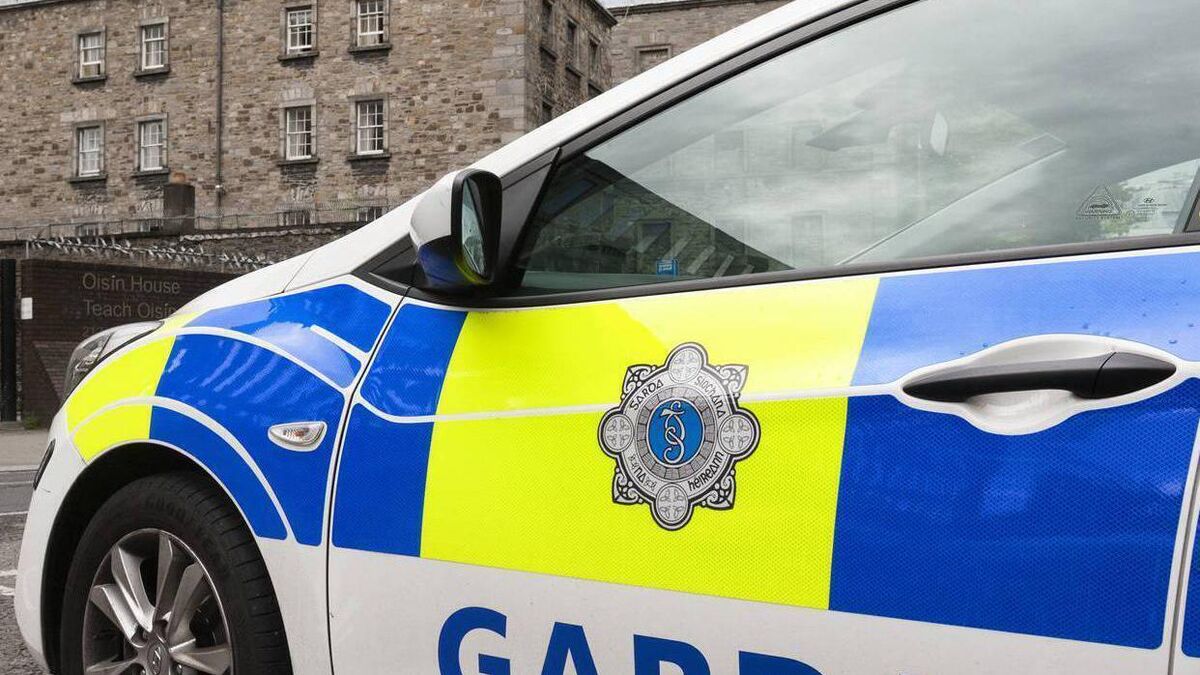
There will be no shortage of discussion and commentary about how best to deal with the rising number of fatalities on our roads, and plenty of suggestions too.
These will include resitting the driving test every five years; having the elderly checked annually for signs of dementia or failing eyesight; extra lessons for young people; and bringing the speed limits down further.
There will be talk of strategies, plans, and renewed efforts to save lives in the year ahead.
Heads will be scratched and souls will be searched, but when it comes down to it, the reason for the fatalities is obvious. The standard of driving in this country is abysmal.
The solution is less obvious, but enforcement of the law has to be key.
As I drove out the Fota Road, I could see a taxi a few cars ahead of me being tailgated by another car so closely that I thought for a moment one might have been towing the other. When the tailgater reached the N25, he took off at speed.
The N25 was busy for that hour of the morning with most of the traffic occupying the left lane. As we approached the slip road for Little Island, a car speeding on the outside lane crossed in front of cars in the other two lanes just in time to make the on-ramp.
I was on my way back on the South Ring Road an hour later and traffic by then was heavy. A car in the outside lane did exactly the same thing at the exit for Togher and crossed from the right-hand lane at the last minute to make the exit.
Three examples of shocking driving within an hour.
Two days later, I left the house at 7.30am to go to Mahon. The traffic was crawling on the N25 due to an accident close to the turn off for Little Island. Another accident had just been cleared in the Jack Lynch Tunnel.
My trips to the city are rare these days, but if my experiences that day are typical, it’s no wonder the death toll is rising.
A report published by the Road Safety Authority (RSA) analysed fatalities on public roads and it showed that a total of 185 people lost their lives in 174 fatal collisions during 2025, compared to 171 deaths in 157 fatal collisions in 2024. This represents an increase of 14 deaths.
Sam Waide, Chief Executive of the RSA, said: “With sustained political commitment, a whole-of-government response, and adequate resourcing and funding, I firmly believe we can reverse this tragic increase in road deaths.”
He said at the time: “I’m not going to make promises other than we will do our best.”
He promised that if he was stonewalled or if there was any lack of political co-operation, he would walk away from the job.
In 2014, Byrne did exactly that. He announced he was leaving the RSA and hit out at the organisation, claiming people weren’t taking the campaigns seriously.
He also complained about the lack of resources, the lack of equipment, and the lack of fleet given to An Garda Síochána to do the job they are supposed to be doing, and said that people were becoming relaxed about “breaking the law” because there wasn’t enough enforcement.
The RSA continues today under the stewardship of Sam Waide but 20 years later, getting to grips with fatalities on our roads is still proving difficult.
Their mission, they say, is to make Irish roads safer for everyone. That means working in every way possible to save lives and prevent injuries by helping to reduce the number and severity of collisions.
Assistant Commissioner Catharina Gunne, of An Garda Síochána, Roads Policing and Community Engagement, said: “An Garda Síochána remains committed to improving road safety and minimising the number of deaths and serious injuries on our roads and will continue to do so in 2026, targeting those drivers with the most risky and dangerous driving behaviours.”
Both organisations have the same goal, so how are they planning to achieve it?
Well, the first initiative of 2026 is to introduce more speed camera zones. Thirty new safety camera zones in Cork will become operational this month, bringing the total number of safety camera zones nationwide to 1,901.
According to An Garda Síochána, GoSafe vans operate in areas that have a speed-related collision history where fatal, serious injury and minor injury collisions occur.
While they do serve a purpose, no amount of GoSafe vans will prevent the kind of dangerous driving I witnessed recently. Garda enforcement is the only solution for that.
That means maintaining a visible presence on our road network. And not just on bank holidays.
Gay Byrne was right all those years ago when he said people were becoming relaxed about “breaking the law” because of the lack of enforcement.
Bad drivers are acting with impunity because there is no deterrent.







 App?
App?


