Cork writer: ‘I love small town lore...being part of the community’
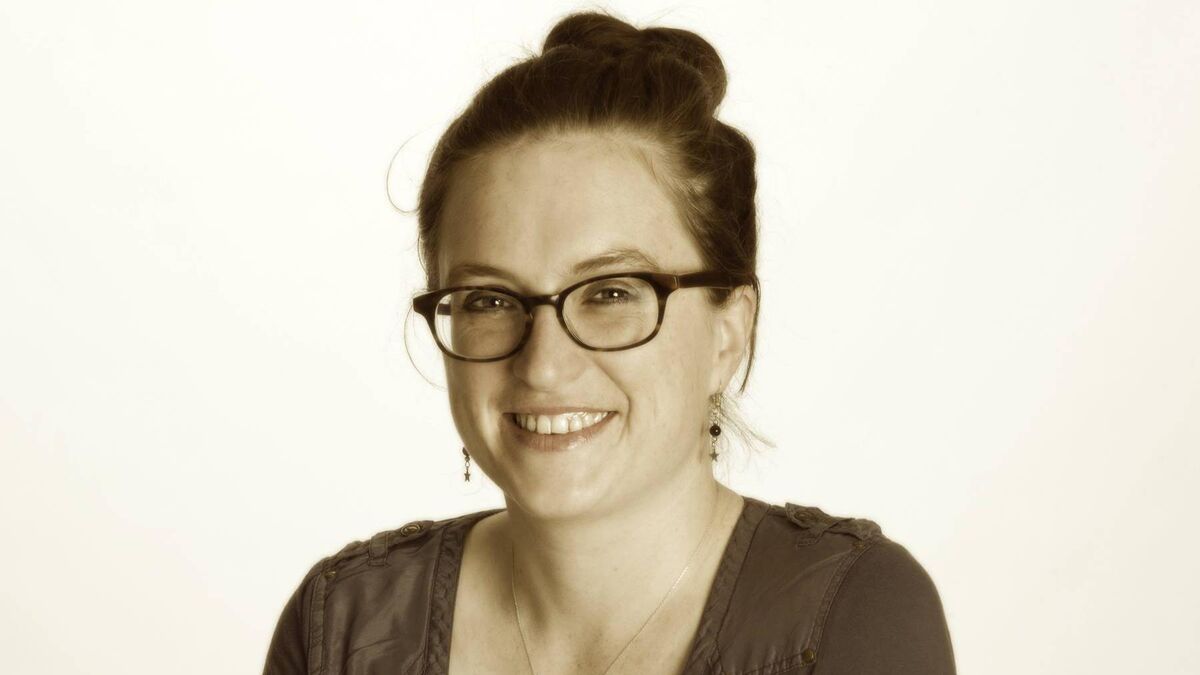
“Growing up in a country town, I’m very comfortable with the vernacular. I find it funny, and I like to inject humour into my plays," says Katie.
A writer living in a small town could be a dangerous thing, with the temptation to write about one’s neighbours.
But for Charleville-based playwright, Katie Holly, who was reared in the County Cork town and has settled there, growing confidence means that she doesn’t really write about real people anymore.
“Any time I did base a character on a real person, they never recognised themselves,” Katie says.
Her latest play, , is centred around a wedding event company. Her sister Muireann worked in entertainment for a wedding event company for about 14 years.
Katie went to an exhibition at the Victoria and Albert Museum in London called . “It was full of costumes and paraphernalia, including old posters going back to the beginning of the use of the word in the operatic scene in Paris in the 19th century. You had these virtuosic women called divas. The word was applied in a different way in American cinema in the 1930s and 1940s. Now, ‘diva’ can be used in a very positive way or a derogatory way.”
Cork actor, Irene Kelleher, plays Norma, the diva character who is a backing singer in a band and also runs a wedding event company. Laura Harte plays a Garda and a number of other characters in the play, which is directed by actor/comedian/podcaster Laura O’Mahony. Apart from sound and lighting designer Cormac O’Connor, the production is an all-female affair.
When the play opens, the Garda is interviewing Norma about an incident that occurred the previous night. Katie won’t disclose what happened, but “it’s quite symbolic in the play and what Norma comes up against. It’s also about how she expresses her rage. It’s not a murder or an assault, but she has done something she ought not to have done. She is now having to explain herself to the Garda. She could be prosecuted or sued, but won’t go to jail for it.”
Norma’s back-story is that she left the fictional County Cork town of Ballybeggin “under slightly mortifying circumstances. She left because she had a very public break-up with her fiancé and cancelled the wedding at very short notice. He went on to get into a new relationship a week and a half later, which Norma found very embarrassing. So she left town and never went back. She moved up the country.”
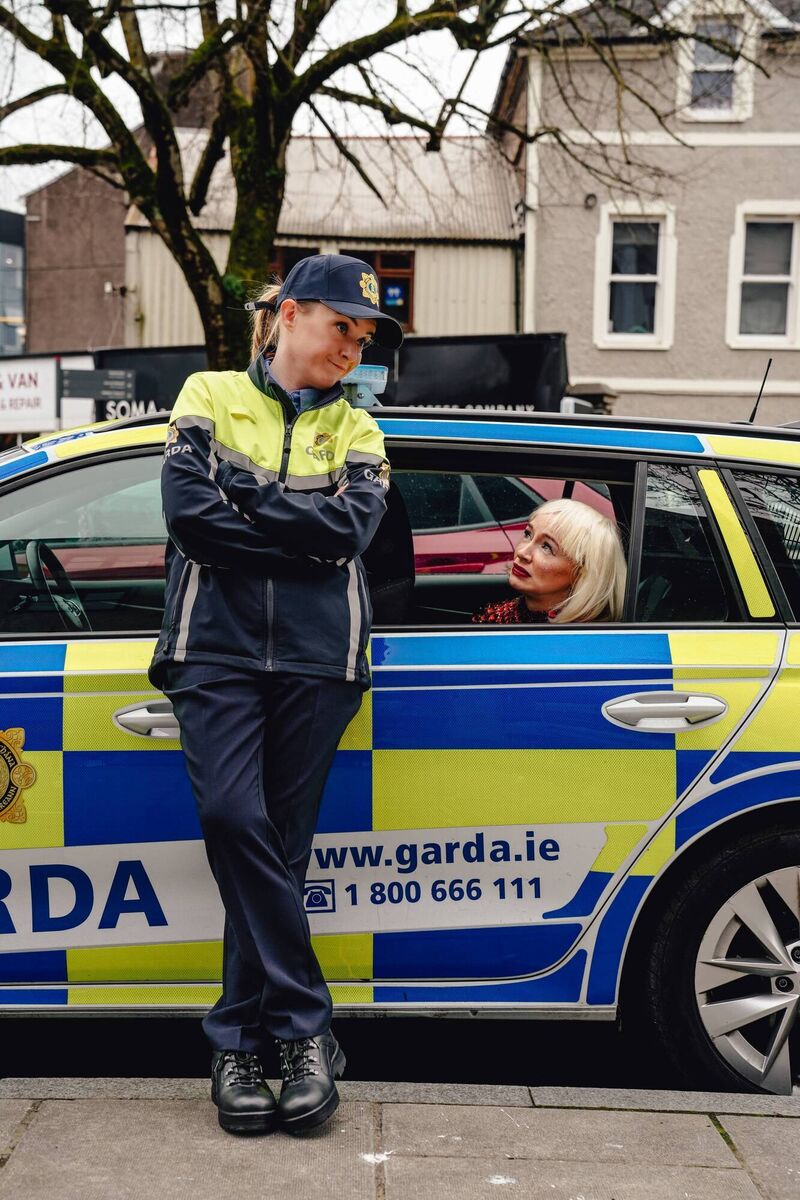
In the play, Norma arrives to work at a wedding venue in the Midlands. When she has everything set up, she looks around and realises she recognises all the people there. She starts to palpitate.
“An established businesswoman, the minute she is faced with her old life, she kind of crumbles, and her vulnerability shows. She is met with kindness by some but finds others dismissive of her, and there is also conflict with some of the people. Her ex is at the wedding with his wife. He and Norma have a bitter-sweet encounter. She is still smarting a bit because she hasn’t seen him since the break-up and there was no real closure there.”
Katie, who has a degree in drama and theatre studies from UCC as well as a Master’s degree in Irish literature, says she was heavily influenced by Listowel playwright John B Keane, particularly during her involvement in amateur theatre. Another influence is Martin McDonagh.
Her repertoire includes the very moving , which premiered about six years ago, starring the late Jon Kenny. Katie’s play won a New York Festival award for audio drama in 2019. Her first play, Marian, was produced for the Cork Midsummer Festival in 2016.
Katie was shortlisted for the Susan Smith Blackburn Prize (the world’s largest prize for women playwrights) in 2023.
Her day job is with Centre Stage School in Mallow, which also has bases in Kanturk and Millstreet. “I do quite a lot of administrative work there. Also, I get the opportunity to write for children, so it’s fantastic for me as a writer.”
Renowned playwright Enda Walsh mentored Katie, thanks to a residency she was given by the Everyman in 2023.
“Enda mentored me by Zoom on the writing of a play called , which hasn’t yet been produced. He was incredibly encouraging. He totally got what I was going for and asked me very interesting and probing questions about what was going on for each of the characters. He suggested playing around with the timeline and made me look at my work in a completely different way. It was so useful and it really informed the play.”
Working as a playwright is “incredibly difficult. It’s a very competitive industry”.
But Katie says she is lucky to have support. The Arts Council and the Cork Theatre Collective have given her script development support for . This small-town writer, who writes about universal themes, has developed a successful career. She is married to Donncha McAuliffe whom she first met in junior infants at school in Charleville. He came back into her life when she was in her thirties.
Katie loves “small town lore. I like the narratives and the local hurling team and rugby team, the Patrick’s day parade, the Girl Guides; all that stuff. I like being part of a community.”
is at the Cork Arts Theatre from May 26-30.
- See: www.corkartstheatre.com.





 App?
App?


