Programming update provides a concern but the GAA is a different beast
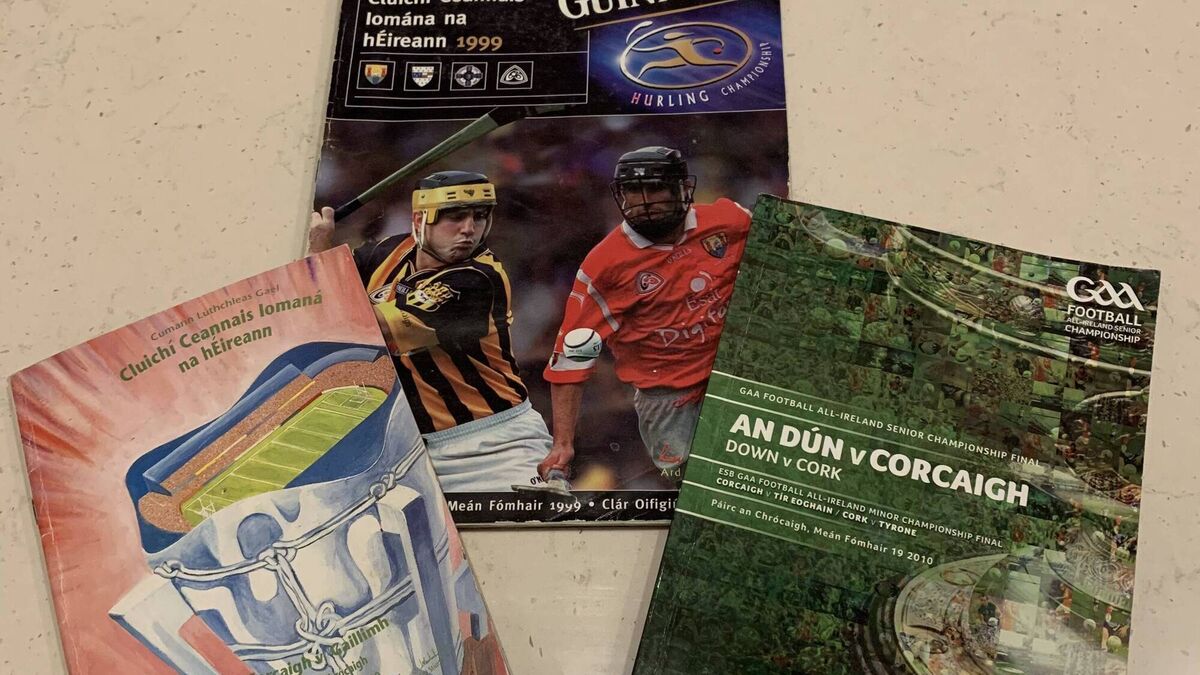
Programmes from the 1990 All-Ireland hurling final, 1999 All-Ireland hurling final and 2010 All-Ireland football final
Late last month, English football club Shrewsbury Town made an announcement.
A statement on the Shews’ website said that, “following a comprehensive review, printed matchday programmes will no longer be produced from the start of the 2026-27 season.
“This decision has not been taken lightly - with the club recognising the long-standing tradition and sentimental value that programmes hold for many supporters.
“However, despite everyone’s best efforts it has become clear the considerable cost and effort of producing a matchday programme, is not being reflected in sales.”
To be fair to Shrewsbury, they do acknowledge that the decision was essentially postponed for 12 months following supporter consultation but for some games the sales were around the 200 figure – when the average attendance is above 5,000.
It’s a sad development for those of us of a traditionalist stance, but it feels like something of an inevitable one – after all, far more people will read this article on their phone, tablet or computer than on paper. Such is life, the clock is only going in one direction and progress and profitability go hand-in-hand when you’re a lower-league English football club with no room for frivolous wastage.
To their credit, Shrewsbury did make the concession that printed teamsheets, with opposition previews, would be available at home games next season for the nominal price of 50p. In a sense, it’s the wheel coming full circle as programmes began as documents with only the team details, then advertisers realised their potential and they slowly morphed into ‘matchday magazines’, glossier and pricier with each evolutionary step.
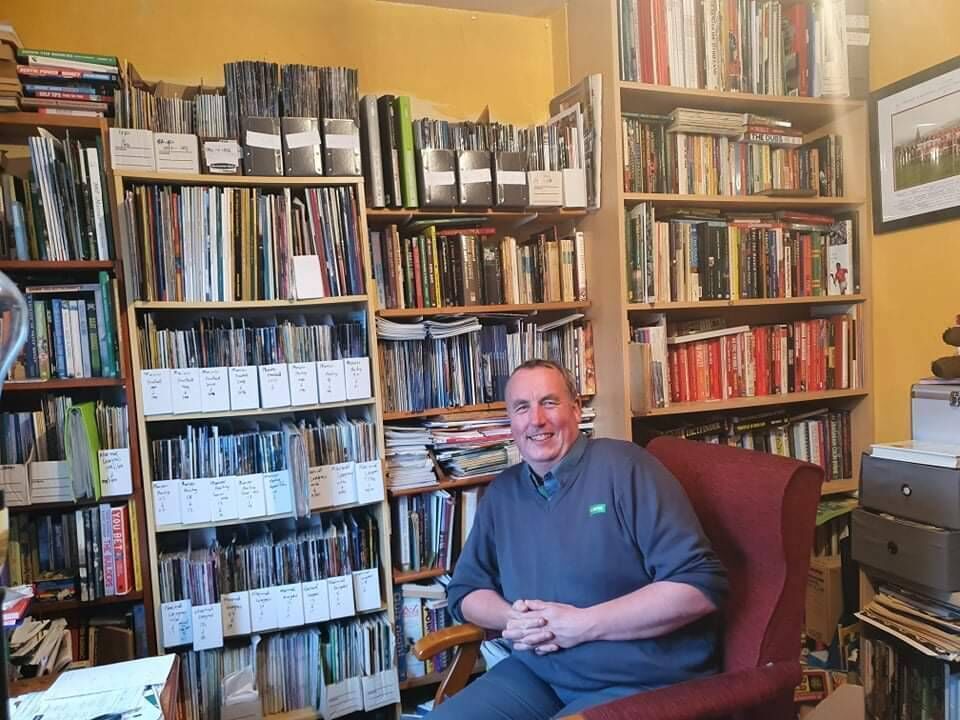
The question it brings us to is whether we are on a similar route with regard to GAA matchday programmes. In a sense, things at club level for early-round championship games have been ahead of that curve – there was a time in the 1990s when host clubs would produce booklets that combined a lot of ads with a few articles but things have scaled back to free teamsheets.
For games at SuperValu Páirc Uí Chaoimh and Páirc Uí Rinn, Cork County Board produce fine offerings and the sales levels remain strong, while it is a similar story for big inter-county matches, where DBA have the contract for centrally-run games as well as the Munster and Connacht championships.
No doubt, the GAA and their publishing partners keep a close eye on sales figures and production costs and in that landscape, the output remains excellent, with articles from top GAA journalists combined with interesting facts and stats along with the basic requirement, correctly numbered team lists.
At a time when there is a slow – and not so slow, in some quarters – decline in the uptake for printed materials, there is a comfort of sorts in knowing that the match programme remains an exception to the rule.






 App?
App?


