Gentleman Jim? '60s singer was rude and obnoxious when he sang in Cork, 60 years ago this week
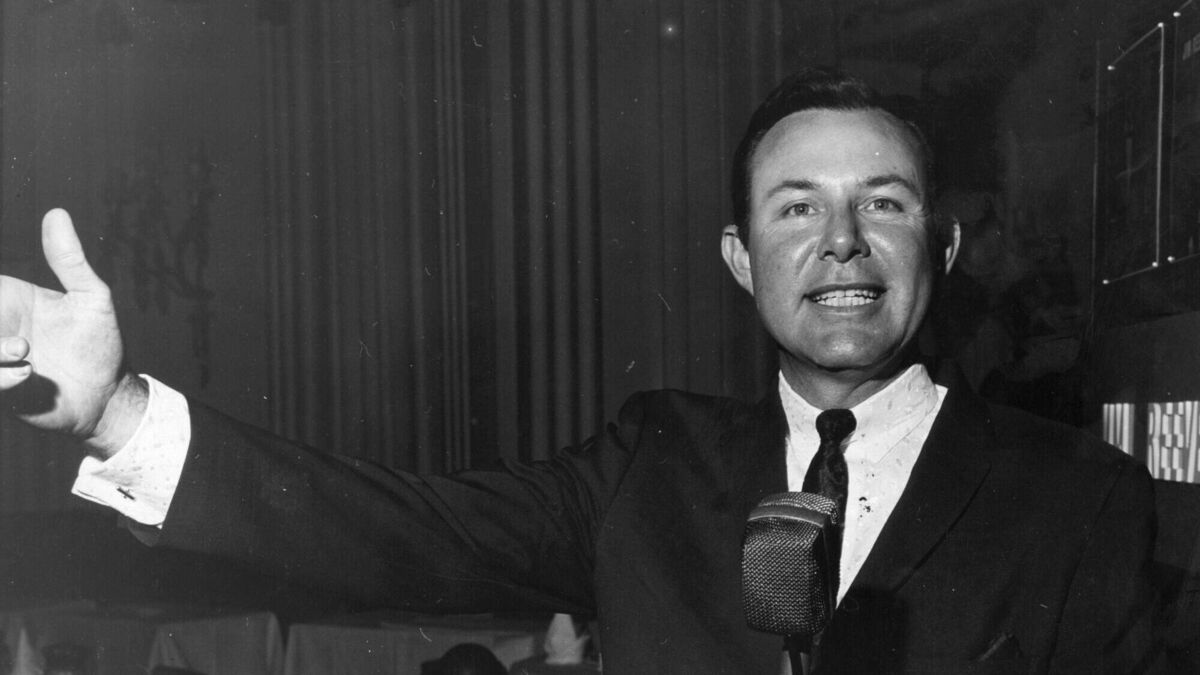
American singer Jim Reeves pictured around 1963, when he toured Cork and Ireland. Picture: Keystone/Getty Images
Welcome to my world
Won’t you come on in?
Miracles, I guess
Still happen now and then
THE opening verse of Jim Reeves’ hit single in June, 1963, had a special ring for Irish fans of the biggest country and pop star of the day.
While it was the No.1 single here, the American was on a tour of the country, including several Cork shows. Reeves was welcoming the Irish to his world - and to his fans it was a miracle that was happening before their eyes.
Except, on the 60th anniversary of his tour this week, not everyone can say it was a memorable experience. In fact, quite the opposite - the man nicknamed Gentleman Jim proved to be a bit of a pain...
******
During his tour of Ireland in 1963, Reeves played the Arcadia in Cork city on Saturday, June 1; the Majestic, Mallow, on Sunday, June 2; and Redbarn in Youghal on Wednesday, June 5.
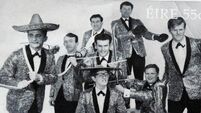
The Irish Federation of Musicians allowed him to perform here on condition he shared the bill with Irish groups, and for the Redbarn gig, Cork’s Regal Showband were the support,
Two of the band got an insight into Texan Reeves’ demeanour, back stage, and were left far from star-struck.
Singer Jim Cotter said: “He wasn’t a very nice man to talk to, very rude. I put my arm around him and he gave me a sarcastic look, and when he was on stage he said this was his first time playing in a cowshed. I said to Reeves’ drummer, ‘And they call him Gentleman Jim? That’s a laugh’.”
Jim’s band mate Mike Ahern had a similar experience.
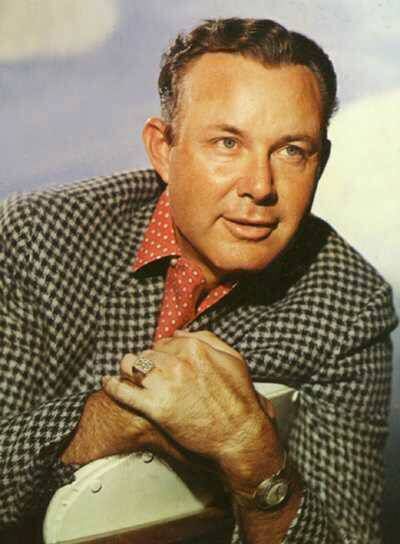
“Reeves’ voice was pure silk, deep and husky just like his records,” he recalled, “but he kept berating his band, the Blue Boys, for one reason or another. This was in front of the patrons, and he didn’t seem to care that everyone was looking and listening; most unprofessional, it seemed as if he really didn’t want to be there at all.”
Guitarist Mike added: “I’m sure everyone went home with that beautiful voice in their heads, but a little bewildered by his carry-on. Such a pity, Jim Reeves was a real mega star of the late ’50s/ early ’60s.”
Indeed he was. Born 100 years ago next year, in 1923, Reeves had no fewer than 11 songs in the Irish charts between 1962 and 1967, including No 1s Welcome To My World, I Love You Because, and I Won’t Forget You.
He was credited with creating a country music style that became known as ‘the Nashville Sound’, turning it from an American genre into a global one.
But when the reviews came in for those Cork shows in 1963, many fans felt let down.
On the Old Photos of Cork City & County Facebook page this year, those who attended the shows shared their dismay.
Mike Nagle recalled: I saw him in Mallow, I was a big fan of his till then. He was only on stage half an hour, constantly complaining about the piano being out of key, he was very rude to us fans when he was leaving the venue.”
Issues with the tuning of the pianos in particular seemed to plague his entire Irish tour.
Don Murphy was at the Arc, at a gig said to be the biggest ever attendance there, and said: “He had no interest in being on stage that night, he went through the motions and was off the stage in little over 40 minutes.”
Denis Murphy stated: “Jim Reeves was a disgrace, we should have got our money back, he looked like a fellow that did not want to be there.”
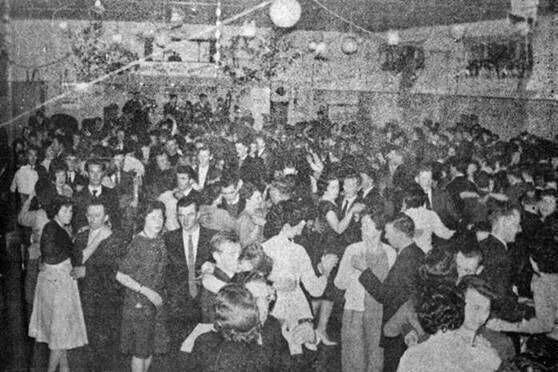
Padraig O’Ceallachain was at the Youghal gig and said: “The Regal Showband were outstanding that night, much better entertainers than Jim Reeves.”
******
There had been signs all was not well the day the star flew into Shannon from Tennessee with his wife, Mary. He kept press and other guests waiting an hour for his scheduled press conference, and when he finally appeared, journalists, in protest, refused to meet him. A truce was finally agreed and Reeves went on to boast to them he had almost made a million dollars in six years!
Indeed, he was being paid £350 for each night of his Irish tour, around €8,500 today.
The singer also refused to sign autographs for fans upon his arrival and told one photographer to “hurry up and get on with it”.
His mood was summed up by a photo of a grumpy Reeves in the Southern Star, with a caption complaining that he “brushed past photographers on his arrival, allowing no photographs, This picture was taken on his hurried exit”.
So, what was bugging him?
Maybe fame, riches and stardom had done to Reeves what they have since done to countless superstars since: Turned him into a diva. Or perhaps a clue to his bad mood lay elsewhere.
When he landed at Shannon, Reeves imported half a ton of instruments such as guitars, banjos and drums - but no piano.
His requirement for a piano at each venue led to many problems. For the gig at Redbarn, a local priest is said to have lent his to the venue!
Ronnie McGinn, who managed The Dixies in their heyday, explained: “Way back before the invention of electric keyboards, every ballroom had a piano. Now, not all of them were properly in tune, but bands needed the gigs and weren’t ones to complain, so worked with what was there. Reeves was a perfectionist and refused to sing to an out of tune piano. It stirred trouble everywhere.
“I remember that night in The Arcadia: Peter Prendergast introduced Reeves and the huge crowd exploded with applause. Jim came on stage, bowed to the audience then walked over and checked the piano for tuning. People were not too happy about it as he made them feel embarrassed. But everything was fine and the show went on.
“He was brilliant and so was the Regal, our local band, backing him. Being there at the time created a life-long memory.”
Singer Art Supple saw Reeves at Redbarn and said: “He was wonderful, terrific. After the show, he walked on the beach in the moonlight with the manager Jerry Lucey and was smitten by the view. Gerry said Reeves was a perfect gentleman.”
Perhaps, then, this was a case of a driven perfectionist angered by the quality of his instruments - or maybe the gruelling tour schedule also vexed the Texan. He was often booked for shows at different venues the same night, at 10.30pm and 12.30am, sometimes 60 miles apart. One night, he played the first gig in Limerick, the second in Belfast!
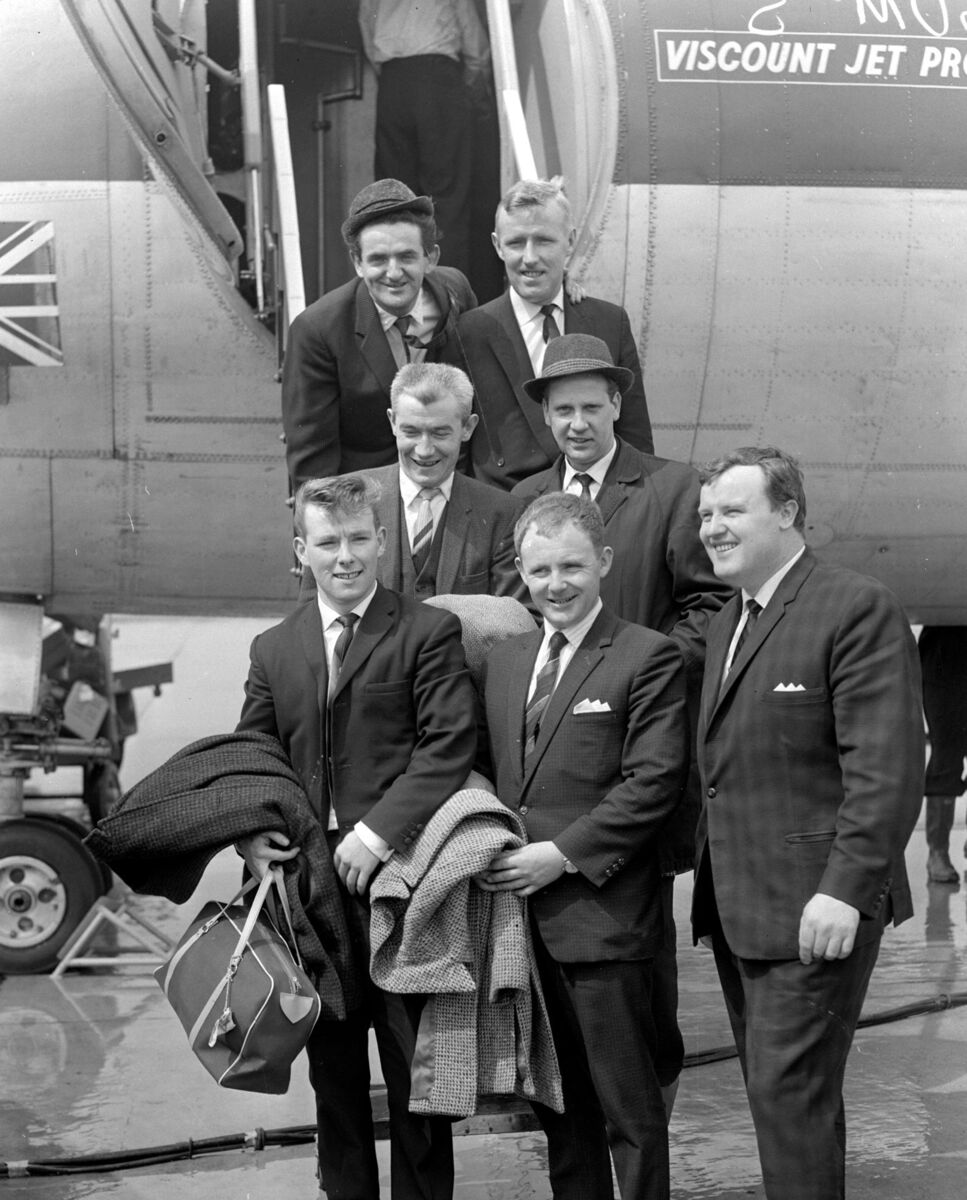
On one occasion, Reeves and his group had to walk down sheep paths to complete the final part of their journey. Hardly an ideal preparation for a megastar.
Up the country, the reviews of Reeves’ gigs were scarcely better.
He played the Diamond Ballroom in Kiltimagh on June 6, 1963, but due to a poorly tuned piano he did not stay, much to the consternation of 1,600 fans.
He motored on to Sligo to play to 1,500 in The Las Vegas Ballroom. Some fans followed him from Kiltimagh just to catch a performance. Those who didn’t crowded the box office with complaints, and were handed back half their ten shillings ticket price.
In Donegal, Reeves left the stage early due to piano issues. He later complained: “The piano was full of spiders and hadn’t been in tune in years.” Longford singer Larry Cunningham took to the stage and performed Reeves classics to keep the crowd happy, launching his own career.
After Reeves’ death, he had a huge hit with the song A Tribute To Jim Reeves, said to have been written on the back of a cigarette packet by Sligo solicitor Eddie Masterson,
Spotlight magazine, launched in Cork city three months earlier, reported on the Reeves “tour upset”. In an interview with it, the singer - said to have been impressed by the Paul Robeson recording of the song Kevin Barry during his tour - delivered a back-handed compliment to Ireland: “The audiences here are the best I have ever come across, but the pianos are the worst.”
******
Later in that month of June, 1963, another famous American toured Cork - this time, the people were unanimous in their praise.
A beaming President John F Kennedy was met by huge crowds across the city, and maybe a few Corkonians were glad that here was one Yank gentleman they could all worship.
JFK was shot dead five months later, and in a tragic coincidence, Jim Reeves was also to die soon after, in a plane crash in Tennessee in July, 1964, aged just 40.