Throwback Thursday: Pioneer trips, and boy scout reminiscences
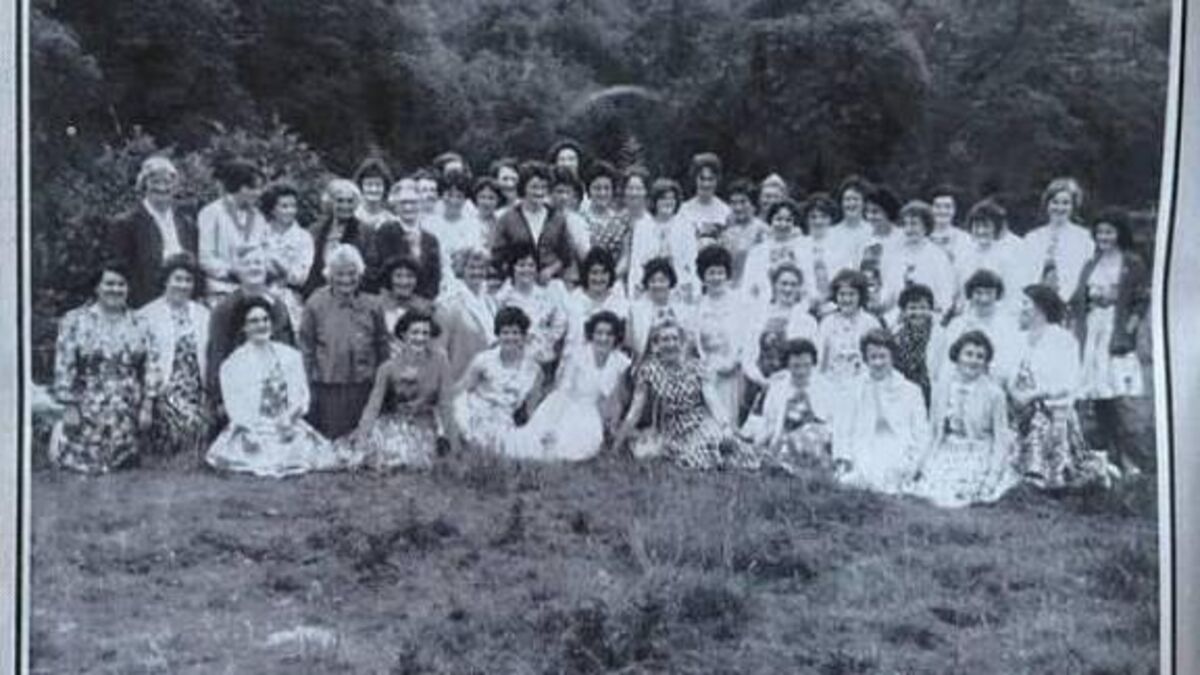
Women on a Pioneer outing to Glandore in 1959. Were they segregated from the boys, wonders Jo Kerrigan
You will remember Micheal Kenefick’s entertaining account in Throwback Thursday last week of the Pioneer socials and dances in Aghada and Whitegate.
Now he has very kindly hauled out some old photographs of outings organised by the same association back in the 1950s.
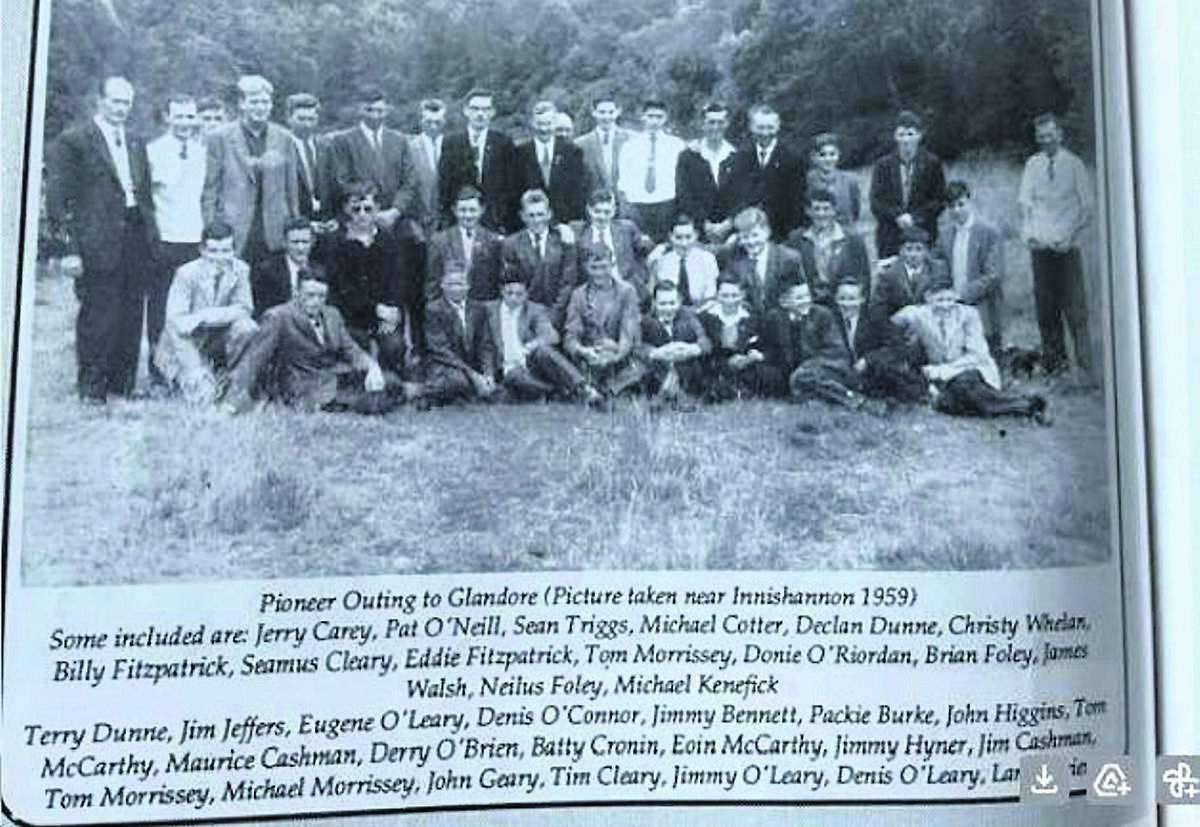
You will note from these that although both of these outings were to Glandore, and presumably on the same date, the photographs are strictly segregated, just as a local country dance would have been at the time. None of this nonsense of mixed groups!
Remember those country dances? What am I talking about, remember Pres and Christians dances where the boys stayed firmly at one side of the hall and the girls at the other? He was a brave lad who first broke ranks and made his way across that huge empty No Man’s Land to stammer his request for the next number!
Maybe those outings to Glandore were actually segregated by date as well as official photograph? Boys this Saturday, girls next Saturday? Does anybody know or remember? Do tell us. We really want to know.
Meanwhile, reader John O’Leary wrote to say that the photo of the schoolgirls attending a Pioneer rally in the 1960s reminded him sharply of his own schoolboy experiences in the 1970s.
“For a number of years, I recall secondary schools in Cork attending a Pioneer rally in the Savoy cinema,” said John.
“We got the morning off school to attend, and after all the speeches the bands came on stage to entertain us.
“I recall Gaslight, Sleepy Hollow, and Chapter 5 rocking the place. Unfortunately, this wasn’t enough to influence me and I never became a Pioneer.”
Well, you have to admit the Total Abstinence Assocation really did its best by putting on those bands as a sweetener, John, don’t you? Wonder how many other attendees the event failed to influence?
When this writer was a schoolgirl in the 1960s, there wasn’t much choice about it. You took the pledge and wore the badge or the nuns would have wanted to know the reason why!
Come to that, there are definite recollections of a Christians lad who looked younger than his age, and always tried to get half price on the train up to Dublin for a rugby match. For that, he had to be careful to conceal his senior Pioneer badge behind the lapel of his jacket.
Later on, when safely ensconced in the train with his pals, he could use the pin of that badge to extend the life of a cigarette stub. Ah, such were the times…
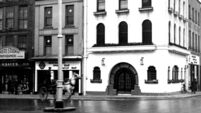
Now, Frank Roche was intrigued by John Feehan’s query last week about No 2 Bridge Street and the mysterious hooks in the cellar, and decided to do a bit of research.
“For a good chunk of its life, 2, Bridge Street was part of the FH Thompson company,” said Frank. “As well as their base in Princes Street, Thompsons also had a business at 8, Bridge Street from (at least) 1844: they later expanded to include numbers 2, 3 and 7 Bridge Street.
“Briefly, 2 Bridge Street was a pawnbroker’s shop from 1867 to 1875, after which date it became a hosiery store for some years.
“It was Thompson’s (confectioner) from 1891 (or earlier) to at least 1935, after which it became a tobacconist shop (until 1950 or later).”
Frank continues: “From the late 1940s until well into the 1960s, No.2 was home to a number of hairdressing salons. In the mid-1960s, it was also the address of a wedding photographer who later moved to Princes Street.
“A directory doesn’t tell how much of a premises was being used for any particular activity, but which of the above businesses would use ceiling hooks?
“At various times, Thompson’s other shops are termed ‘flour dealer’, ‘baker’, ‘confectioner’, or ‘provision dealer’.
“I suppose a ‘provision dealer’ might have reason to hang bacon, game or fish, but in each of the directory entries, Thompsons at No.2 is described simply as ‘confectioner’.
“Could the cellar be used for preserving or for smoking – as in curing? Or might the cellar have been sub-let? In any case, I’m only guessing.”
Frank adds: “Perhaps with the bicentenary of the foundation of Thompsons coming up next year, some knowledgeable person might put pen to paper and shine a light on the issue.”
Well, thank you very much indeed for that, Frank. It just shows what you can actually discover when you put your mind to it, although the mystery remains unsolved.
Moving on, and Brian Cronin has decided to tell Throwback Thursday about a great decision he made in his early years, one that profoundly affected his life. Read on…
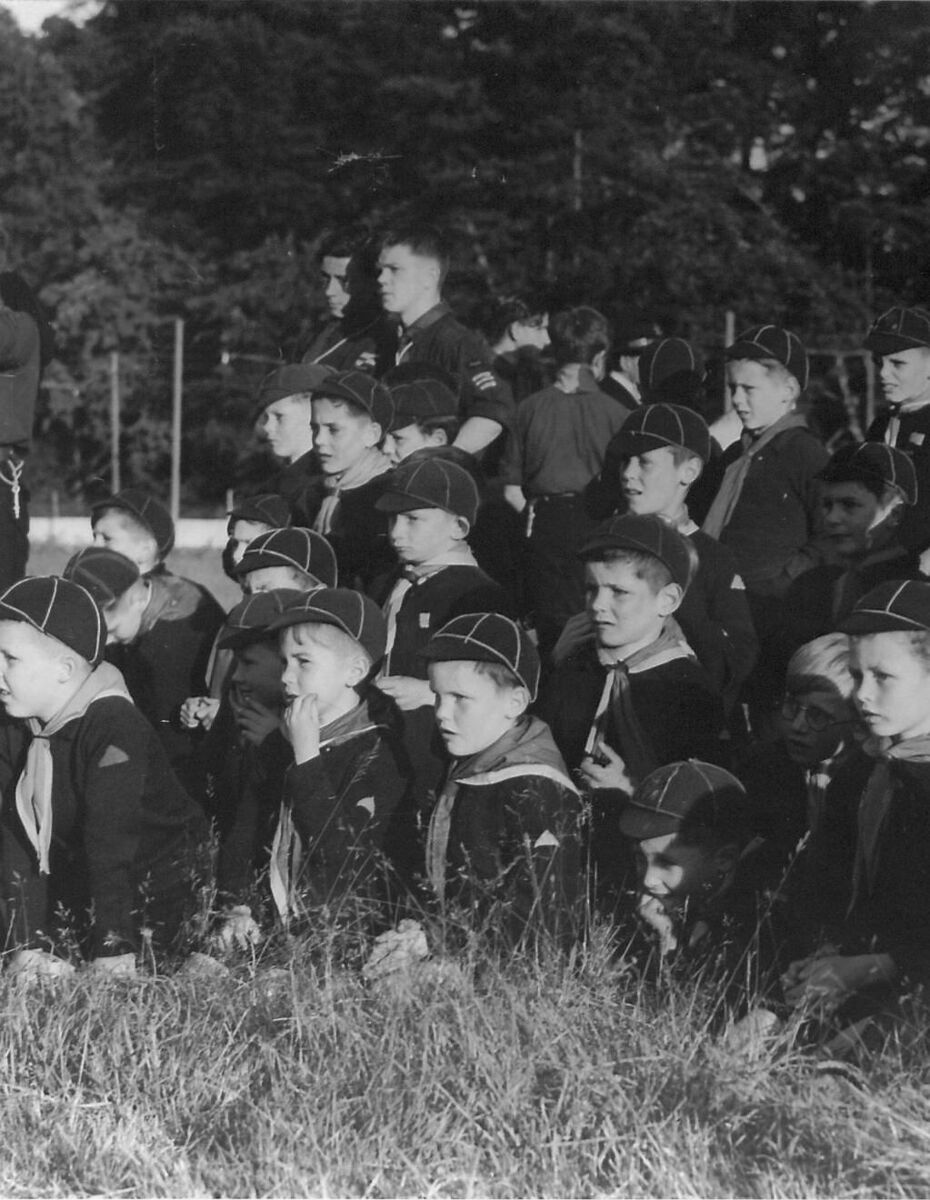
“When I reached the ripe old age of eight, I decided to join the Boy Scouts Association,” recalled Brian. “I had read a lot about them, not least the exciting Boer War exploits of the founder of the scouting movement, Robert Baden Powell. He featured in the battle of Mafeking in the Boer war as indeed did a famous white stallion called Cannonball, who hailed from Connemara and who, with his owner, performed heroic feats when carrying vital messages to and from the besieged British army. But that’s a story for another day!
“Baden Powell’s booklet - Scouting For Boys - was first printed in 1908, the year after he formed the Association of Boy Scouts. Shortly after that he and his sister also founded the Girl Guide Movement.
“Two of my first cousins, Denis and Joe Cronin, were already members of the Saints Peter and Paul Troop and they proposed me for membership.
“Initially, I joined the junior organisation, the Cubs, and then two years later transferred to the senior club, the 34th Troop of the Catholic Boy Scouts of Ireland.
“It was an exciting time. I was delighted with my new smart uniform; the neckerchief colours were blue and gold.
“Our troop met one night a week at the club hall in Paul Street, and every Sunday there were hikes of several miles to outlying areas of the city and beyond.
“The first hikes usually resulted in very sore or blistered feet, but in time that problem eased as one’s feet toughened up.
“I learned so much during those early scouting years and made many friendships, some of which have lasted to this present day,” said Brian.
“We learned many new skills such as semaphore (using flags to send messages) and also Morse code, which would come in very useful in later years.
“I didn’t realise it at the time but the fact that every scout wore the same uniform encouraged good fellowship and just as importantly put all of us ‘on the same field’ whatever your back-ground.
“It also encouraged one to look after one’s uniform, although I must confess that in my case at least my mother helped out there, carefully examining my appearance prior to each scout meeting.
“Many years later, interviewing a candidate for the post of Assistant Manager at our Blue Haven Hotel, on discovering that the particular candidate had been a Boy Scout Leader in his earlier years, I there and then decided to offer him the position irrespective of his previous hotel experience.”
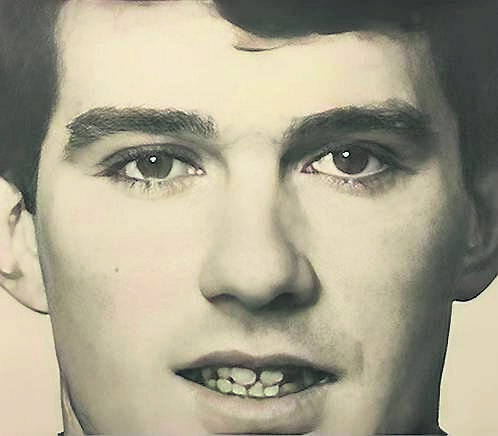
Two of Brian’s particular friends in his scouting days he remembers poignantly, since both Rory Delaney and chess champion Noel Mulcahy lost their lives in the Aer Lingus crash at the Tuskar Rock in 1968.
He continues: “Each summer the troop attended a scout ‘camp’, usually in some part of county Cork. This entailed marching or travelling by bus to the site of the camp and then erecting a number of tents.
“Each tent was occupied by six to eight boys; this was when one’s newly learned skills of tying knots in ropes came to the fore. A tent badly put together could result in a severe wetting during an overnight downpour.
“Each troop had its own campfire and here is where our cooking skills were put to the test. Firstly, you cut a square of soil before setting out twigs and wooden logs for the fire. You also learned how to create a flame by rubbing two pieces of wood together.
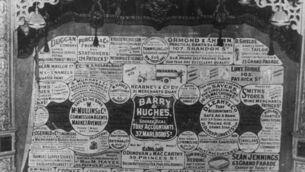
“Mind you, our normal fare was far removed from haute cuisine, but our simple meals of bacon, sausage, and chops always seemed to taste so much better in the open air; particularly after engaging in various energy-sapping outdoor activities! Tea made in a tin billycan and poured into tin mugs also seemed to taste so much better than that we got at home. Of course, it goes without saying that Barry’s Tea was always used.
“Before leaving camp, that square of soil had to be replaced in the exact original place, and all traces of the fire removed. Again a very important part of scouting activity. Nature always had to be safeguarded.”
What great memories, Brian! Richard Mills also recollects with fondness his own scouting days, but in France rather than Ireland.
“We were taken out to a huge French forest and built our camp not on the ground but up in the trees, using long branches to make the platforms,” recalled Richard.
“Somebody would always be on watch on the ground below at night, sitting by the campfire, and I remember often not bothering to wake the next watcher when it was his turn, because I enjoyed so much sitting there in the dark and the silence, listening to owls hooting, rabbits rustling, and watching the stars.”
What a perfect scene you evoke there, Richard. Which would readers prefer, we wonder for such outings? On Irish ground in a tent, in Irish weather, or aloft among the trees in France? Don’t all shout at once!
Well, now, we are already into December, and next Monday is the 8th, the traditional day on which all the folk of county Cork have come into town to do their festive shopping. It has aways has been the way, since times long past.
They would go into the English Market to collect the turkey or goose, to their favourite butcher’s for the ham, to the family grocers to be gifted a tin of biscuits along with the usual order, and all the other happy things, ending up just maybe with a hot toddy in the snug of that pub down the Coal Quay, just along from where the fir trees were stacked, sending their wonderful pine scent far and wide to delight passers-by.
In those bygone days, households were full of secrets at this time of year, everybody making something special for a brother or sister, son or daughter, mum or dad, and many a beautiful creation was carefully wrapped up to put under the tree.
There is a nice reminder of that in the Atrium of the City Hall from today, showcasing the wondrous works created by the Ballyphehane and Togher Arts & Crafts Initiative.
Lifeline commemorates the 30 years that this hugely popular community group has been running. Go along, admire the work, and remember when your own mother made a special top for your party, or your dad created that little wooden railway station you adored.
It’s on until December 17 and is an excellent reminder that we should all get back to using our own skills instead of buying something shrink-wrapped from the superstore!
Do you remember making your own gifts? Email jokerrigan1@gmail.com or leave a comment on our Facebook page: www.facebook.com/echolivecork.