Freak accident that claimed the life of Cork girl Stella in 1956
Schoolgirl Stella O’Connor was sent to West Cork by her parents in the summer of 1956 to escape the polio outbreak in the city. Tragically, she ended up back there in a polio ward a few weeks later, where she lost her life. THOMAS LONG recalls a cruel twist of fate...
Freak accident that claimed the life of Cork girl Stella in 1956

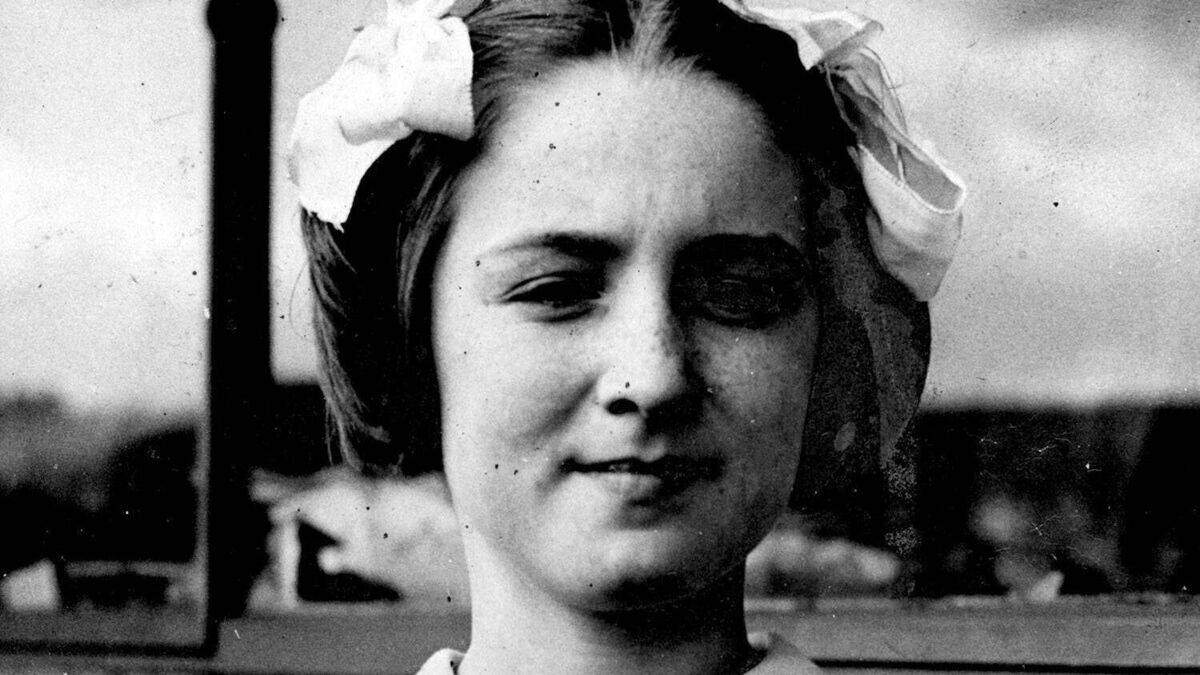
Stella O’Connor in 1955, after winning a Feis Maitiu prize

BRIGHT, smart and confident, the 11-year-old girl smiles proudly for the camera in the offices of the Echo and Examiner in Academy Street on a spring day in Cork in 1955.
Stella O’Connor had just won first prize for her recitation of an Irish poem in the Feis Maitiu - a major cultural and artistic event in the life of Cork then and now.

Clad in her Sunday best, with ribbons in her hair, the pupil at St Maries of the Isle NS in Cork city was developing into an intelligent and talented young woman.

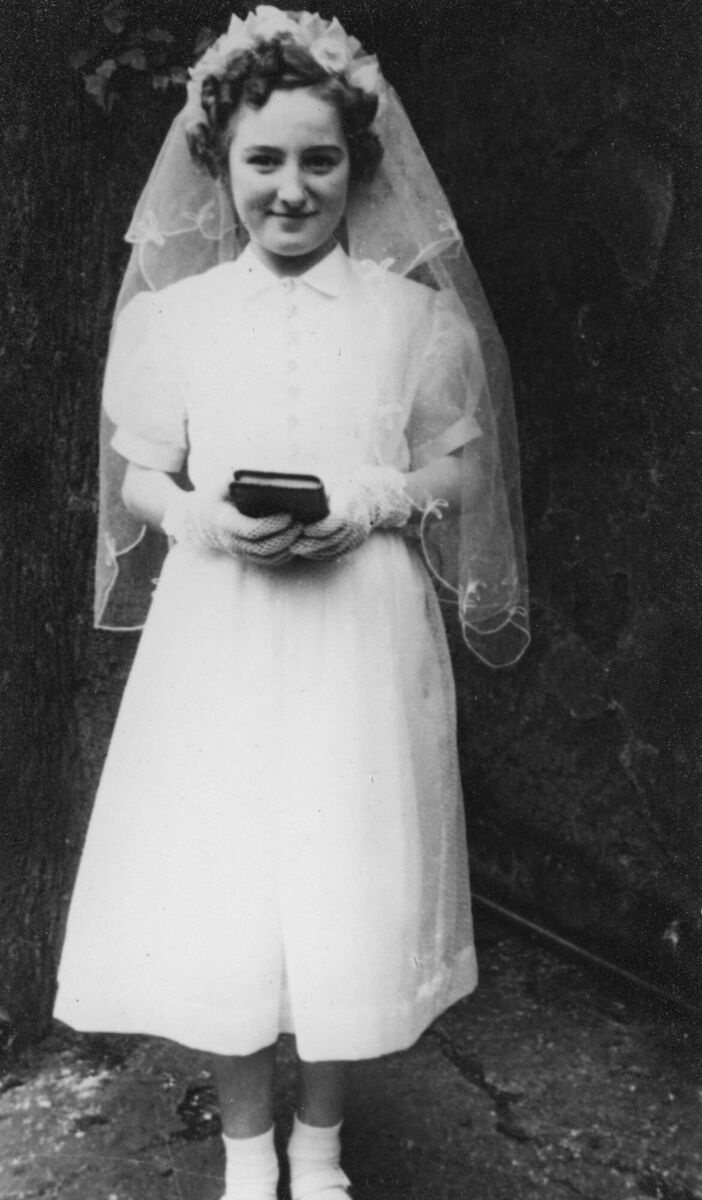
The following year, we see Stella again, smiling happily on her Confirmation day.

Tragically, just a few months after that photo, she was dead, after a freak accident that devastated not only her family, but the doctors who tended to her, and who still remember her sad story to this day.

******

Stella O’Connor was born in Bantry on October 19, 1944.

Her parents, Val and Eileen O’Connor, moved to Cork city in 1953, and Eileen set up a grocery and confectionary business at 32, Washington Street - three doors from the courthouse, and the current site of the Liberty Grill.

Val was a carpenter and joiner for builder Dinny McCarthy, and worked on projects such as the new housing estate on Tramore Lawn, Douglas.

Tragically, Val and Eileen had already suffered the loss of a child a decade earlier, when their daughter Angela died aged three, in 1944, of diphtheria.

The move to Cork city a decade later was a fresh start for the family, who lived around the corner from Eileen’s shop, over Mick Leahy’s pub at the corner of Courthouse Street and James Street.

Their daughters, Stella, Anne and Marie, and son Val, settled into school life.

Anne recalls: “My mother worked hard from early till late to grow her business, and her Christmas, birthday and wedding cakes were made to order. The ingredients were mixed by hand. Us children could earn a shilling a batter at Christmas time when orders were plentiful.”

Stella O'Connor at her Confirmation in 1956, shortly before her death

This idyllic life was shattered in 1956, when a polio epidemic spread panic and alarm through Cork city.

The first case was notified to the city medical authorities on June 1, and within a month, Dr J.C. Saunders, the city Medical Officer of Health, concluded “an epidemic was imminent”. By August 9, 90 cases had occurred in the city, with children making up the overwhelming majority of these.

Val and Eileen took the decision to send their children out of the firing line, to spend summer with relatives in West Cork. It was the right call, but it was a decision that would have devastating repercussions.

******

Stella and her sister Anne, who was 11 months her junior, were sent off to stay with relatives in Skibbereen after school broke up in early July.

Anne said: “We were like twins. I stayed with my maternal grandmother, Elizabeth O’Shea, and my aunt Pattie O’Shea, in Bridge Street. There were a lot of O’Sheas in ‘Bridge Town’, and all related. Stella stayed with another aunt, Stella Walsh, on the Cork Road.”

The sisters had cousins to play with, went on adventures in the woods, made hide-outs in the bushes, and climbed trees.

Anne says: “Scrapes and falls were part of the fun, and one day, about a month after we arrived in Skibbereen, Stella and I were playing in a wood behind my aunt’s garden when she fell from an elder tree and a small branch pierced deep into her thigh. The wound wasn’t very big, but it was deep.”

The cut was dressed, but nobody was to know of the horror that lay ahead, when tetanus set in. Stella developed lockjaw, was taken to hospital, and tragically died.

Anne, who is now 76 and lives in Galway, has a particular memory from that time that has stayed with her. “What has haunted me all my life is that, a few days before the lockjaw, Stella showed me a sore lump on the inside of her thigh. She told me not to tell my aunt as she would only make a fuss. I keep thinking that if I had only said something then, she could have been saved. However, I was only a child myself.”

Nobody could possibly feel anything but sympathy for Anne, who was then just 11.

“Eight days after the fall,” she recalls, “Stella couldn’t open her mouth to eat her dinner because of the lockjaw. She was taken to the doctor and transferred to St Finbarr’s Hospital in Cork city.”

A month after being sent away, the young girl was back in the city, seriously ill, in the same place where other Cork children were battling polio that summer.

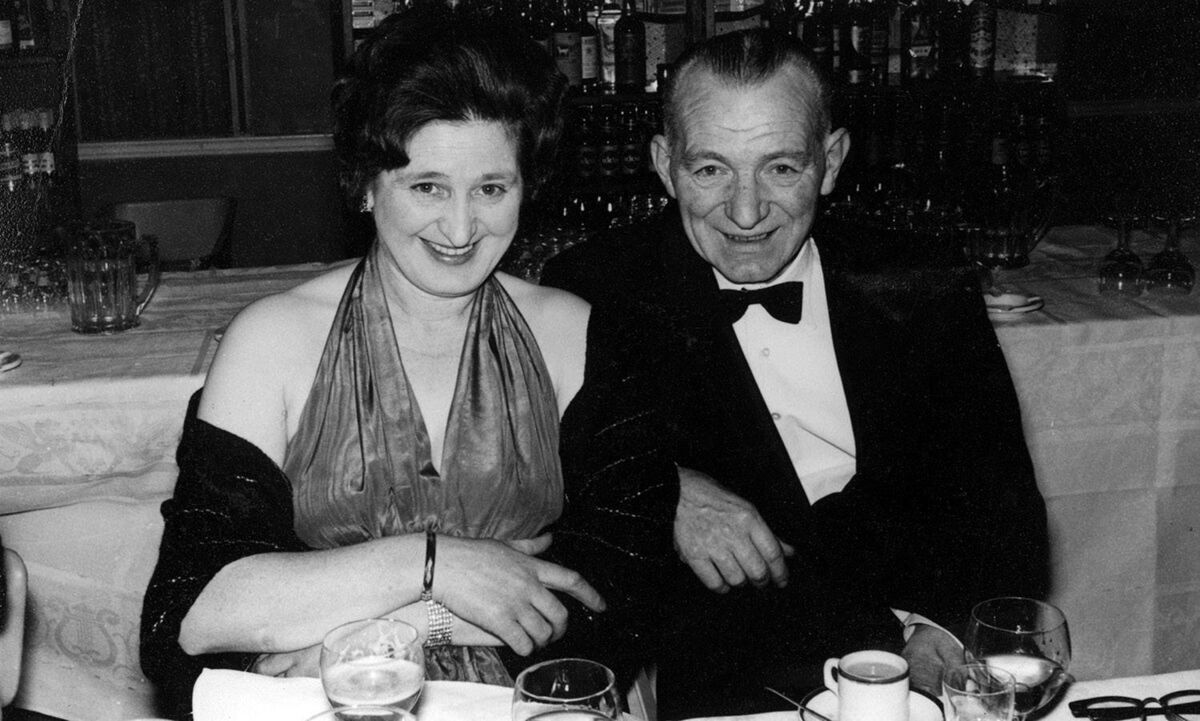
CLOSE-KNIT FAMILY: Stella O’Connor’s parents, Eileen and Val, in 1964,

Anne explains: “Because polio also affected the respiratory system, St Finbarr’s was equipped with ‘iron lungs’, which were for all the world like iron coffins. They enclosed the body of a patient, leaving the head out. Bellows forced air into the lungs and helped the patient to breathe.”

Stella was placed in an iron lung, but died a few days later, on August 17.

However, while she was in St Finbarr’s Hospital, she left a great impression on two of the junior doctors there, who still remember Stella to this day.

Paul O’Brien and Raymond Hegarty had been drafted in from their studies to help out during the polio epidemic. In the 2021 Holly Bough, where he shared his memories of the polio epidemic, Dr Hegarty, who is now retired and living in Canada after a lifetime in medicine, said: “I still get a lump in my throat when I think about that little girl who died in 1956.

“About 6-8 of us UCC medical students, without cap, mask, gloves or gown, helped out at night at the time during the polio pandemic, by manually bagging the poor little stricken children who had polio in one large, hot, humid and smelly ward.”

Dr Hegarty, who is himself originally from Skibbereen, said he particularly remembered Stella from that time.

“My shift was from 2am to 4am, pumping a sweet little child who had been sent by her concerned and proactive parents to relatives in Skibbereen to escape the polio epidemic, only to develop tetanus following a laceration from a fall from a tree.

“One night, my 4am relief was unable to replace me so, naturally, I continued in my role until 6am, then cycled back to my digs in Model Farm Road.
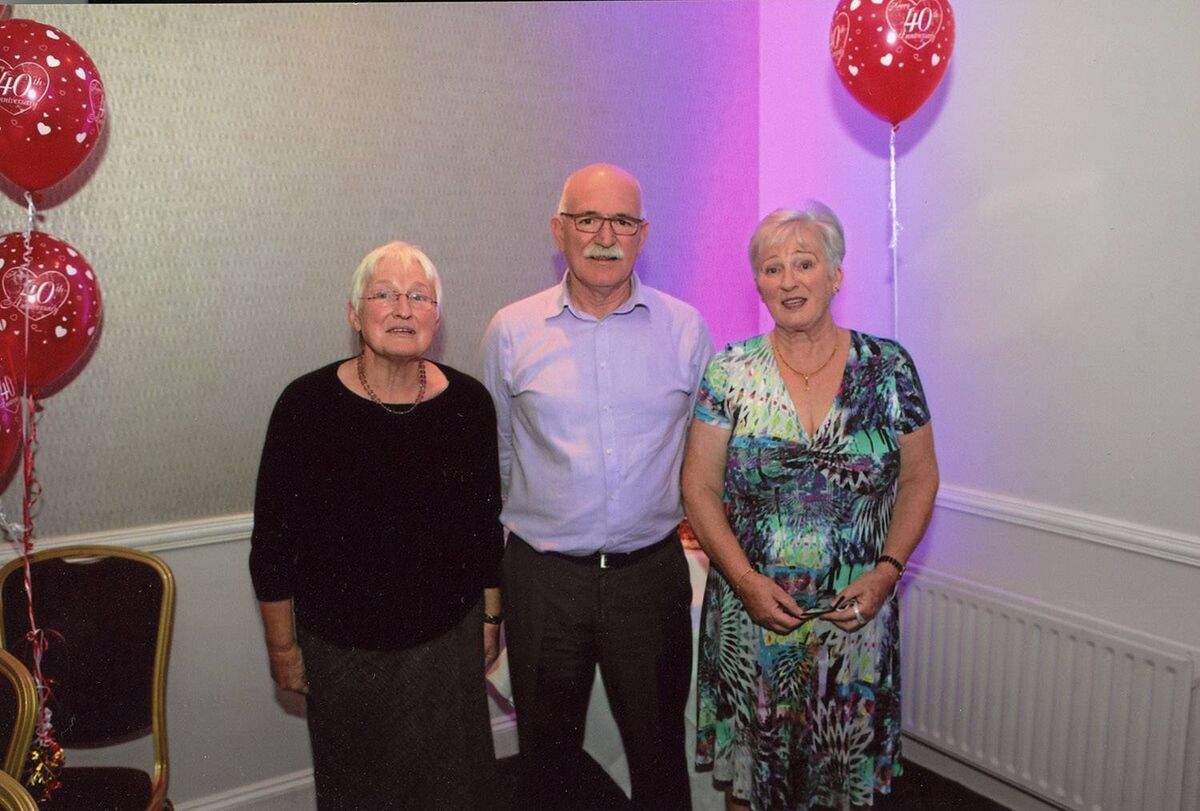
 Stella’s siblings, Marie O’Connor Tyrrell, Val O’Connor, and Anne O’Connor Murray - who was an ‘Irish twin’ to Stella
Stella’s siblings, Marie O’Connor Tyrrell, Val O’Connor, and Anne O’Connor Murray - who was an ‘Irish twin’ to Stella

“On my return the next night for my 2am shift, the dear little girl’s stretcher was empty as she had died during the day and I cried for her and her family.

“To this day, having cared for thousands of patients in different climes and countries, I still think of her and get a lump in my throat.

“Despite the fact that over the last two-thirds of a century, I have since cared for countless thousands of women, l still vividly remember this dear little girl, whose name I did not know until Stella’s sister Anne contacted me following the 2021 Holly Bough article.

“I was very happy to hear from her and learn about Stella, but cannot imagine what terrible loss Anne felt at that awful time.”

Fellow junior doctor at the time, Paul O’Brien, who now lives in Canada as well, also recalled treating Stella in 1956 in a Holly Bough article.

Anne says: “Like Dr Hegarty, I too get a lump in my throat when I think of those times. It is unbelievable to think those two medical students in 1956 still remember that little girl - my big sister.

“Myself, my sister Marie, who is 82 and living in Arklow, and my brother Val, 72, who lives in Cork city, want to thank the two doctors for their work at the time and for remembering Stella in the Holly Bough. It meant a lot to us.”

******

An inquest into Stella’s death heard it was a rare occasion when the anti-tetanus injection failed to become effective.

Stella’s mother, Eileen, thanked all the doctors involved and hospital staff and said: “They couldn’t have done any more.”

Anne says her mother tried to remain philosophical about losing two daughters, adding: “The diseases that killed them have since been eradicated by the introduction of the vaccinations.”

Eileen went on to be a house-mother in the after-care homes in Cork for survivors of polio. Anne says: “God never closes one door without opening another, and my mother was seeking a new focus for her life.”

Sadly, Eileen was to lose her husband at 55 from cancer, in 1966, and a few years later came another crushing blow.

She was now living in Wellington Road, and in January, 1974, a mighty storm caused devastation to her home, making it unfit for habitation. She moved into a granny flat next to Anne’s home in Galway.

In later life, Eileen became a house-mother for the Residential Homes, which had replaced the nuns’ Industrial Schools in the mid-1970s. Anne says: “When free travel was introduced, it was no trouble for her to hop on the bus in the morning, meet a friend for lunch in Cork, and return that evening with tripe and drisheen.”

Anne has written a poem about the loss of her sister, Stella, called Don’t Tell.

Whispered conversations sound like doom,

Confused, I run up to my room

It can’t be true, she can’t be dead

Just wild imaginings in my head

It’s all my fault. She said: ‘Don’t tell’

If I spoke up, she might be well

Too late now, no-one can know.

She’s vanished, just like winter snow

Mam and Dad are so upset.

Should I tell them? No, not yet

Dad went first to his reward

Still can’t tell, no, not a word

Aged eighty-nine, my mother died

Now free to speak, I cried, cried, cried
Read More

Throwback Thursday: Scrambling motorbike races round the Glen, in Cork city

More in this section

Throwback Thursday: ‘I’ll always remember the glow in the sky’ Throwback Thursday: ‘I’ll always remember the glow in the sky’
Throwback Thursday: Pioneer trips, and boy scout reminiscences Throwback Thursday: Pioneer trips, and boy scout reminiscences
Throwback Thursday: The Cork gate-crashers who tried to con Pioneers Throwback Thursday: The Cork gate-crashers who tried to con Pioneers

Sponsored Content

River Boyne in County Meath, Ireland. Water matters: protecting Ireland’s most precious resource
Turning AI ambition into action: Dell Technologies leads the way Turning AI ambition into action: Dell Technologies leads the way
Delicious desserts and exclusive pours, perfect for Christmas Delicious desserts and exclusive pours, perfect for Christmas
Contact Us Cookie Policy Privacy Policy Terms and Conditions

© Examiner Echo Group Limited

Add Echolive.ie to your home screen - easy access to Cork news, views, sport and more