Kathriona Devereux: The sight of brown and purple patches in West Cork unsettled me
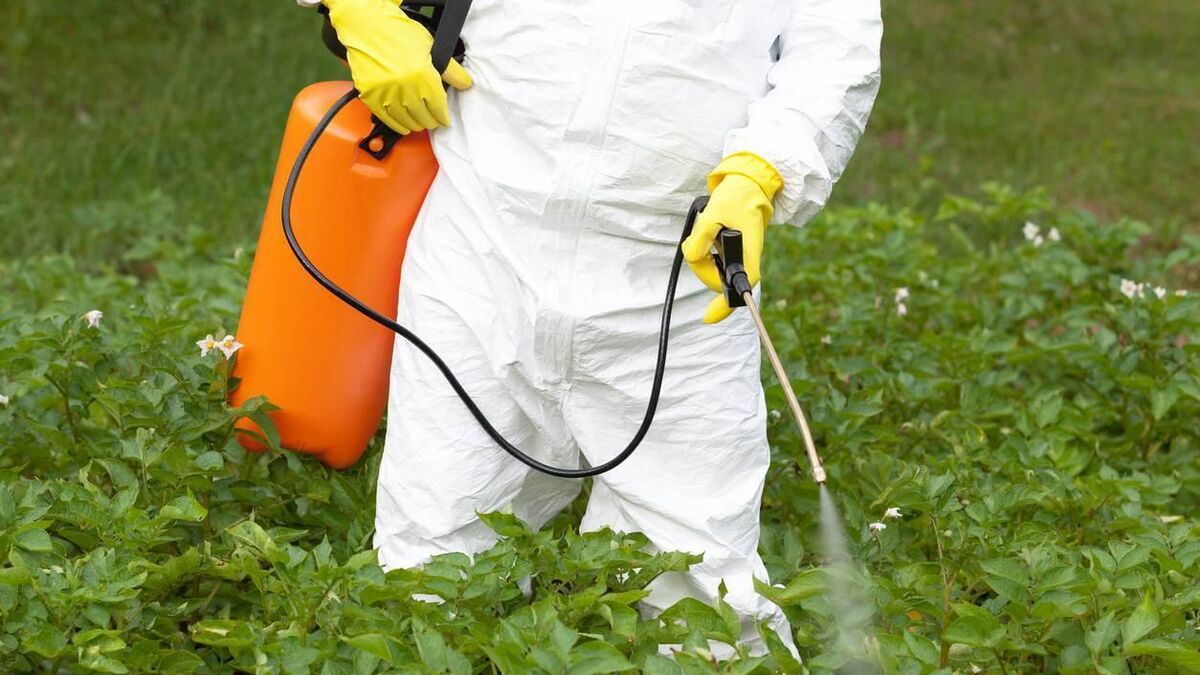
The EU renewed approval for the use of glyphosate for a further ten years in 2023.
Last week, work and pleasure combined, and I spent a few days driving parts of West Cork well off the beaten tourist trail. What I found was beautiful, as always. But two recurring sights unsettled me.
The first was brown. Burnt, scorched patches of roadside verge where the wild growth had been chemically sprayed. Glyphosated to death. Not just the weeds gone, but everything. Grasses, wildflowers, the lush green abundance that insects depend on. Road verges, property entrances, I even spotted an entire rust coloured field.
The second sight was purple. The creeping spread of rhododendrons. Pretty enough to look at, devastating in their effects on native ecosystems. Since a recent break in Kerry, where the invasive shrub has colonised whole hillsides of Killarney National Park, I’ve been noticing it everywhere. In West Cork, it seemed to have encroached further since my last visit. Or maybe my eyes have just tuned to it better.
Brown and purple patches. Two different kinds of damage with the same outcome - wildlife quietly quenched.
Glyphosate is the active ingredient in Roundup, the world’s most widely used weedkiller. In Ireland, it is used on farms, roadsides, housing estates, and public parks. You’ll see it piled in displays at your local diy or garden centre.
In 2015, the World Health Organisation classified glyphosate as “probably carcinogenic to humans.”
The chemical company Bayer, which acquired Roundup’s manufacturer Monsanto, has paid out billions of dollars in settlements in the US to people claiming the product caused their non-Hodgkin lymphoma.
There is also emerging evidence of a link between glyphosate exposure and Parkinson’s disease, including research underway at UCC.
However, despite growing health concerns and demands from scientists and environmentalists to ban glyphosate, the EU renewed approval for its use for a further ten years in 2023.
And so, I still, recently, maddeningly, witnessed workers in full PPE spraying the base of trees on the big green of a housing estate where children play daily.
A friend recounted, after listening to my West-Cork-brown-patches-rant, how she watched a groundsman in full protective gear spraying pathways outside a hospital with weed killer, in front of patients who had popped outside for a breath of fresh air.
Some European countries have banned it for home and garden use, keeping it available for farmers. Some cities have banned it from parks and public spaces.
But it, ironically, remains an effective tool for tackling invasive species, themselves a threat to the ecological balance. And farmers use it regularly, although its widespread use has, inevitably, bred resistance in some weeds.
The most urgent ecological argument against routine, indiscriminate glyphosate use is what it does to the web of life.
Glyphosate kills plants. “Weeds” to a council worker, farmer or home gardener are, in ecological terms, food, shelter and habitat — for insects, and through insects, for birds, bats, amphibians and every creature further up the chain.
Fewer wildflowers mean fewer insects. Fewer insects mean less food for birds, bats and everything that eats them.
The second unwelcome sight of that West Cork drive was rhododendron ponticum, an ornamental shrub introduced to Ireland in the eighteenth century. It blooms impressively purple but is an ecological disaster. It forms dense thickets that block light and crowd out native plants, eliminating the ground flora that insects depend on.
Like glyphosate, its damage is indirect; rather than poisoning individual creatures, it hollows out the conditions for native life to thrive.
Removing rhododendron is labour-intensive, time-consuming, and expensive. Each flower can produce several thousand seeds, meaning a large bush can produce several million seeds in a year to be scattered to the wind.
Seeds may persist in the soil seed bank, allowing the species to regenerate again in the future so removal campaigns must be multi-year efforts involving professionals and local volunteers. Getting on top of the spread in West Cork is critical.
90% of Ireland’s EU protected habitats remain in “unfavourable status”, with half showing ongoing decline. Reports of habitat destruction have almost doubled in the past five years.
Next week is Invasive Species Week, so if you fancy taking out your frustrations at the ongoing mistreatment of nature consider volunteering for a rhododendron removal morning or a Himalayan balsam (another invasive from, you guessed it, the Himalayas) bashing session on your local river. And for the love of nature, don’t spray






 App?
App?


