Trevor Laffan's guide to retirement: Go out, meet people, and stay positive
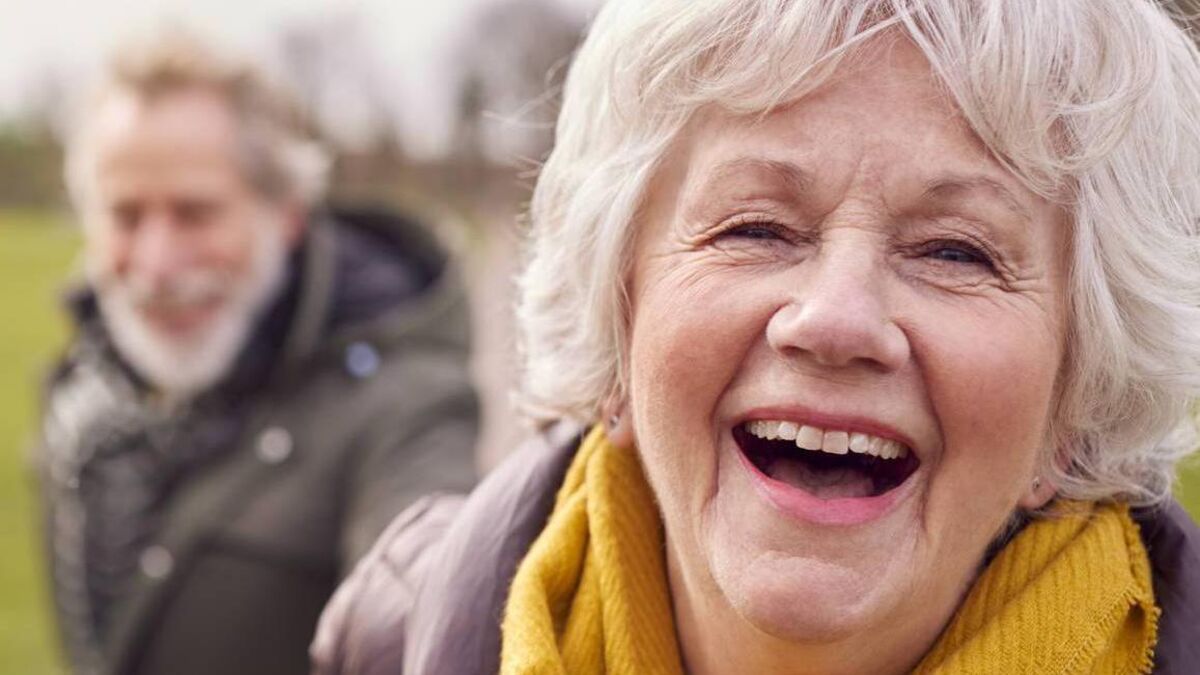
I had thought that when I retired, time would slow down, but the opposite has happened. I don’t do a huge amount, but there still aren’t enough hours in the day to do it.
I enjoyed my working life and the job as a Garda I did for more than 35 years. I worked with some fantastic people and made great friends along the way. A few enemies too, I suspect, but that’s life.
As much as I enjoyed it though, there came a time when I had had enough. Things were changing in the organisation, and I suppose I was too settled in my ways to accommodate new approaches.
I decided my time was done and retired, and I haven’t regretted one day of it since.
We were lucky in An Garda Síochána to be able to retire after 30 years’ service, provided you reached 50 years of age. It was long enough too, especially for those working nights in a shift system.
You get to witness many scenes of death and carnage at the coal-face of policing, and they stay with you forever.
I believe when you’re gone, you’re gone, and that’s it. Make a clean break, walk away, and move on to the next chapter - whatever that is.
Retirement isn’t easy for everyone though. Much has been written about people not being able to settle after finishing their working life. Feeling lonely and disconnected. Finding it hard to pass their days, sitting at home, staring at the ceiling.
For many, the workforce provided their companionship and a social outlet. When that’s taken away, they’re alone and find it difficult to cope.
Their job gave them a routine and a purpose. A reason to get out of bed in the morning, but suddenly they’re lost.
I remember my grandfather sitting by a big old radio in the kitchen back in the 1960s after he retired. I don’t recall him doing much else with his time until he eventually died, but that was normal back then.
There was a sense at the time that retirement meant your life was over. There wasn’t much left to do but wait for the grim reaper.
I never really understood that until I saw the figures from Census 1926, which revealed that life expectancy for men back then was 57 years and 58 years for women.
It’s no wonder they had such a fatalistic mindset; statistics were against them.
They worked until they were 65, if they even got that far, collected their gold watches, then sat at home preparing their clothes for the undertaker.
That’s a grim exaggeration but maybe not too far off the mark either. Times have changed thankfully.
Apart from the increased life expectancy, there is a much more positive attitude towards ageing.
The world is a smaller place now than it was in 1926 and every part of it is accessible. The internet brings instant global communication to our phones and laptops so boredom shouldn’t enter the equation.
Education is also available to people of every age, and opportunities for entertainment are limitless.
OK, so it’s not all sweetness and light. There will be challenges too and, as we age, our health will throw a few issues at us, but we cope with those as best we can.
Medicine has made great strides over the years, and there are many potions and lotions to keep us upright.
Our earning power may be gone in retirement so we are less well off financially, but as we get older, we require less. Our kids have usually flown the nest by then, mortgages are paid, and any loans we had are probably cleared.
Our social life isn’t as hectic as it once was either so it’s easier to survive on what we have in our pockets.
What we can’t survive without though is social interaction.
Psychologist Susan Pinker, author of The Village Effect, highlights the importance of social bonds for longevity and wellbeing. She argues that face-to-face interactions are crucial for maintaining mental health and happiness.
It’s important to get out of the house and meet people. I can’t argue with that.
There are positive aspects to getting older too. The website greatseniorliving.com suggests that today’s seniors don’t have a manual for how to act in the later stages of life. For generations, most people with grey hair were considered to be old but that’s no longer the case.
One benefit of growing older is that you don’t have to please anyone but yourself.
The senior years are a time to celebrate your accomplishments and the knowledge you’ve gained through experience. You shouldn’t regret growing older because it’s a privilege denied to many.
They say that as we get older, our brains undergo some positive changes such as giving us calmer reactions to negative experiences.
Our past experiences also show us hope to cope with situations calmly because we’ve probably been there before.
The most important factor in aging well, as far as I’m concerned, is positivity. Enjoy today and look forward to tomorrow.
Negativity has a way of pulling you down, so surround yourself with positive people and live life to the full.






 App?
App?


