Dr Catherine Conlon: Meningitis fears have helped underline benefits of vaccines
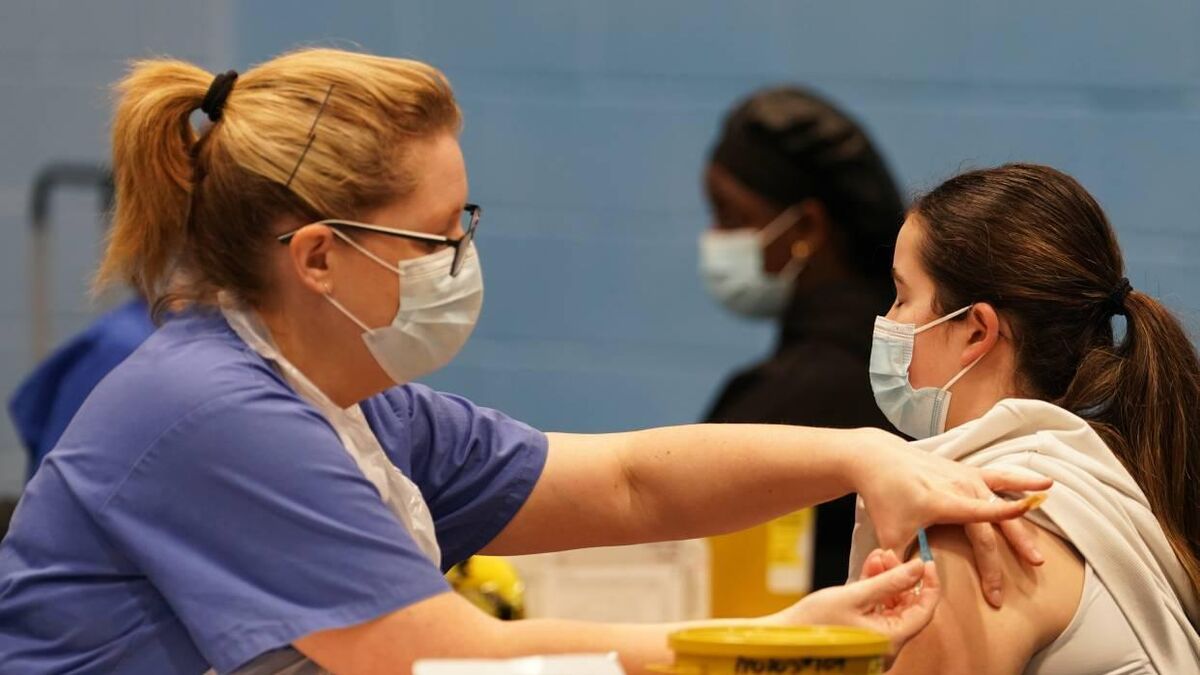
The UK Health Security Agency (UKHSA) said that 20 cases had been confirmed linked to the outbreak, including tragically two deaths. An additional nine cases remain under investigation.
Dr Sherine Thomas, infectious disease consultant at the UKHSA, said: It’s reassuring to have seen so many eligible young people come forward for antibiotics and vaccination, and we’d like to thank everyone involved in the effort so far.
To date, more than 12,000 antibiotics and over 8,000 meningitis B vaccines have been administered.
What is very clear is that the genuine fear of risk of infection with a complicated and life-threatening illness is enough to cause previous fears about vaccines to vanish.
It is easy to be hesitant about vaccines when the actual risk of infection is low. When the very real threat of a pathogenic organism occurs, we are left in no doubt about the benefits of vaccines.
In Never Mind The B#ll*cks, Here’s The Science, Ireland’s favourite scientist Luke O’Neill says that if you really want to annoy an immunologist, tell them that you haven’t vaccinated your child.
He describes how vaccines against infectious disease have saved more lives than any other single intervention in medical history – globally preventing two to three million deaths per year.
“This is a scientific fact,” states Prof O’Neill. “So is the fact that before vaccination, around 500,000 people caught measles in the U.S, with three in ten having permanent hearing damage as a result. And yet growing numbers of parents are refusing to vaccinate their children.”
With these kinds of astonishing results, how could one of the greatest advances in medicine have become so problematic for so many people with such overwhelming evidence in favour of vaccines?
The HSE are concerned about the persistently low MMR vaccine uptake (87.6%), that places children at risk of being unprotected if they are exposed to the highly infectious measles virus.
Or polio. For one in every 150 people infected, the virus enters the nervous system, causing headache, back pain, lethargy and a risk of paralysis.
The arrival of the polio vaccine caused numbers of cases in the U.S to drop from 15,000-20,000 of paralytic polio per year to fewer than ten.
Europe was declared polio-free in 2002. Today, only three countries still have polio: Pakistan, Afghanistan, and Nigeria.
If there was a single case of polio in Ireland, you can imagine the rush of parents to vaccinate their children - who had hesitated up to that point.
If safe vaccines are developed, they can spell the end of infectious disease, and in many cases they have.
The 20th century saw the arrival of vaccines against tuberculosis, diphtheria, tetanus, pertussis, influenza, polio, measles, mumps, rubella, varicella, meningitis and hepatitis B. Newer vaccines include meningitis B and C, rotavirus, HPV, and shingles.
One by one, diseases that had caused the deaths of millions were being beaten by the vaccines.
And the fight continues. In 2021, the World Health Organisation (WHO) recommended the use of a new malaria vaccine for children in regions where it endemic. A second malaria vaccine was WHO-approved in 2023.
The search for a vaccine against AIDS (caused by human immunodeficiency virus) continues.
Another recent success is with Ebola, a lethal disease in parts of west Africa caused by a virus, with an overall mortality of up to 90%. Two WHO-recommended Ebola vaccines have been developed since 2015.
The covid-19 RNA vaccines are the latest leap in the technology. The vaccine utilises RNA from the virus that encodes the spike protein. Once injected, the vaccines facilitate the body making the spike protein of the virus. The immune system responds by making antibodies that bind to the spike protein – stopping the virus entering cells. These antibodies offer protection when exposed to the covid-19 virus.
One target for vaccine hesitancy is the use of vaccine adjuvants – a chemical added to the vaccine to boost the immune response. The use of adjuvants, such as aluminium hydroxide have added to the concerns that vaccines may be harmful.
In terms of measles, over 12 years, 126 million doses of the vaccines were used in the U.S, resulting in 284 claims of harms from those vaccinations, with 143 claims receiving compensation.
That means the chance of vaccine harm from the measles vaccine was calculated at 1 in 819,119 ,compared to a one in 500 chance of death in an unvaccinated child exposed to measles, rising to one in ten in a malnourished child.
One reason for vaccine hesitancy is the concern that children can get severely ill afterwards. Prof O’Neill suggests that in the vast majority of cases this is a coincidence: one example of this is Sudden Infant Death Syndrome (SIDS), which happens at the same rate in vaccinated as unvaccinated children.
The anti-vaxx movement got a major boost in 1998 when Dr Andrew Wakefield published a paper in the Lancet, linking the MMR vaccine to autism. This paper was completely debunked just over a decade later in 2010, but the damage was done.
So how can vaccine hesitancy be addressed? Prof O’Neill suggests the best way is for doctors to approach a reluctant parent or guardian with empathy and humility.
“The doctor might begin with ‘We love all our children. We all want the best for them. I understand that you are not trying to hurt your child. Now let’s talk.’
Not being judgemental is key. It can be helpful to address misinformation that circulates widely. Some of these beliefs include:
‘Getting too many vaccines will overwhelm my baby’s immune system.’ The amount of material in vaccines is trivial compared to what children get exposed to every day in the natural world
‘My baby’s immune system is immature so it’s safe to delay vaccines.’ Delaying vaccines increases the real risk of infection.
Vaccines contain chemicals and toxins.’ Chemicals in vaccines are a fraction of what your child will pick up in the environment
‘The side effects of vaccines can be worse than the disease.’ Vaccines have been through rigorous safety testing and are only granted approval from the European Medicines Agency if they have succeeded these testing procedures.
The recent meningococcal outbreak in the UK that tragically claimed the lives of a teenager and a young adult helped to focus minds.
If you are still hesitating about vaccinating your child, consider this bottom line from Luke O’Neill: “My children were all vaccinated, all health agencies in all countries agree – vaccinate your child.”
- Dr Catherine Conlon is a public health doctor in Cork.







 App?
App?


