Deja vu! 100 years later, Cork Olympians light up Paris again
We’ve had a fabulous hurling season - all the way to its dying embers at least! - the Euros soccer feast, and last night the Olympic Games opening ceremony took place in France.
That raised the curtain on more than 250 hours of wall-to-wall TV coverage from Paris on RTÉ platforms alone, across 32 sports, pretty much from dawn to dusk for the next fortnight.
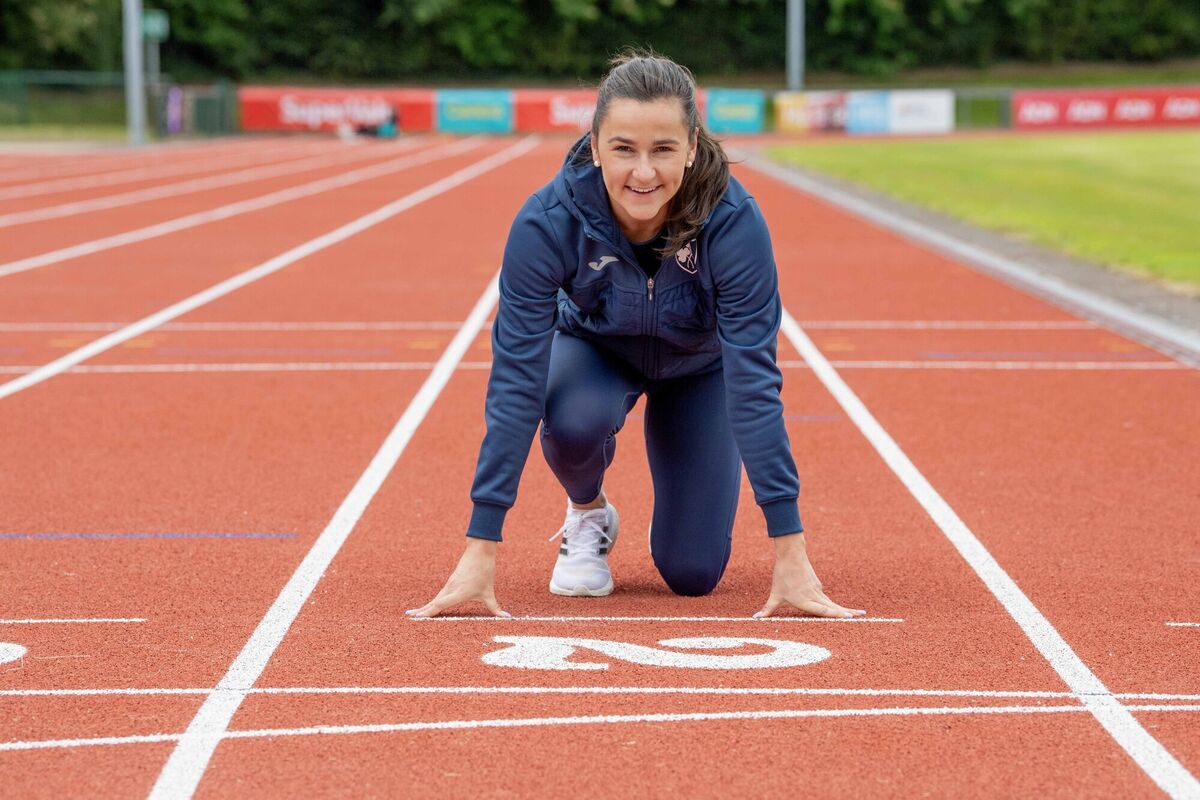
Of course, we will all be cheering on the 133 Irish athletes competing, and reserving a special Rebel yell for the 16 Corkonians taking part.
Hopes are high that we can add to that elite group of people who have won 35 medals for Ireland at Olympiads in the last century - and increase our tally of 11 golds.
In 1924, the Irish Olympic Council had been admitted to the International Olympic Committee after the Free State’s independence from the UK two years earlier.
The Council regarded itself as an all-Ireland body, including Northern Ireland; it competed as ‘Ireland’ rather than the ‘Irish Free State’.
The team used the Irish tricolour as its flag and Let Erin Remember as its song in the absence of an anthem - Amhrán na bhFiann wasn’t adopted until 1926. A traditional Irish ditty, often performed on the bagpipes, Let Erin Remember was also played at the funeral of Cork’s hunger-striking Lord Mayor Terence MacSwiney in 1920.
There were 49 athletes competing for Ireland at the 1924 Paris Games, and Cork was well represented in a sport in which it has had a long and cherished tradition - boxing.
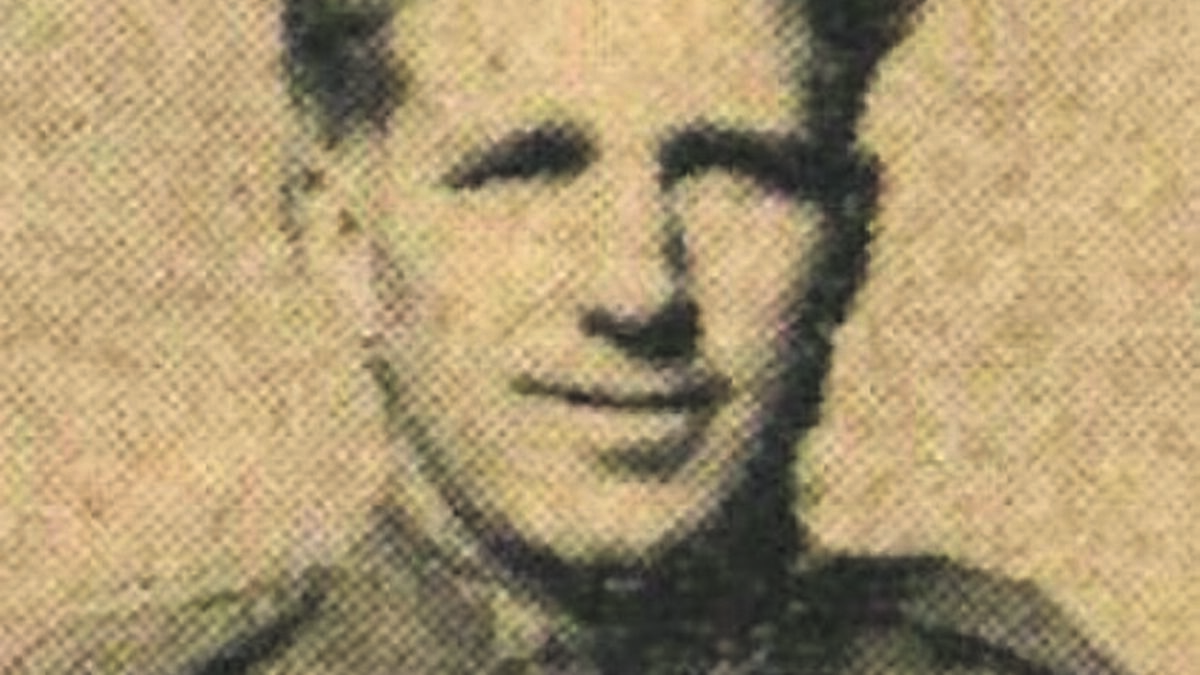
Three of Ireland’s eight-man squad - Maurice ‘Mossy’ Doyle, James Kelleher and Willie ‘Boy’ Murphy - were from Leeside, all of whom were boxers in the army and would go on to become guards.
Doyle, who was born in Cork in 1903 and was a national champion, even had a brush with Olympic history in the 1924 Games, when he lost a close fight with American featherweight Jackie Fields, who, at just 16, went on to become the youngest Olympic boxing champion of all time.
Doyle had his opponent groggy and when the judges gave Chicago tough kid Fields the verdict, some French spectators in the crowd booed the decision, according to the official report on the 1924 Olympics by the Irish army.
The 21-year-old Doyle, in contrast, was “cheered to the echo when leaving the ring and congratulated by the USA coaches on an excellent performance”.
Of the other two Cork boxers that year, middleweight Willie ‘Boy’ Murphy, who was born in India in 1904 to Fair Hill, Cork, and Waterford parents, and possessed a “devastating left hook”, KO’d a Polish fighter, then lost to a Canadian. Lightweight Kelleher - described in newspapers as “a terrific puncher and as courageous as a lion” - was beaten by a Yank.
Also in 1924, the UK boxing team was represented by Don O’Kelly, son of Dunmanway-born wrestling great Con O’Kelly, who had won a gold medal for Britain at the 1908 Olympics in London.
Team Ireland Boxing reported: “The arrangements by the Irish Olympic Council for the housing and training of the team were unsatisfactory throughout. The team was housed in the centre of the city, and the food (described as soft and sloppy) was totally unsuitable for men in training.
“The assistance given by Irish officials was nil. The boxing team reached Paris having the grand sum of £12 to cover the expenses of providing lunches, taxis, etc. The boxers who, as events have proved, were the only hope of Ireland, were financially starved.
“Other Irish teams had their buses and taxis. The boxers had Shanks’ Mare. Let us hope the Irish Olympic Council have learned by their experience”
Ouch. Fail to prepare... and all that!
However, this professional approach to sport at a time when nearly all athletes were amateurs would stand Irish boxing in good stead in future Games. It is by far the most successful Olympic sport in the nation’s history, with a grand total of 18 medals - more than half of the haul.
Although flag-waving is obligatory when watching Olympics - who of us can forget cheering on the rowers to gold at the Covid-delayed Games in Tokyo in 2021, or watching Sonia O’Sullivan win silver in 2000? - I will also spend the coming fortnight immersed in sports I never usually watch from one year to the next.
Somehow, seeing canoers slalom down a stream, or skateboarders executing flips, becomes great telly when emotions are high and you dangle an Olympic medal as bait.
The swimming and gymnastics are always a great watch, and I love to marvel at the table tennis players as they defy the laws of physics and scramble around the court returning seemingly impossible lost causes.
But it’s when the athletics starts, that the Olympics truly start to hot up.
Strangely, although I welcome the arrival of tennis and golf into the Games in recent years, I don’t get the same buzz from seeing familiar stars going for gold, as I do when it is an unknown archer, a javelin thrower, or even a surfer.
So, eyes down, TV on... and let the Games begin.




 App?
App?


