Christy O'Connor: How Cork ran their bench and the inconsistent policy must improve ahead of next season
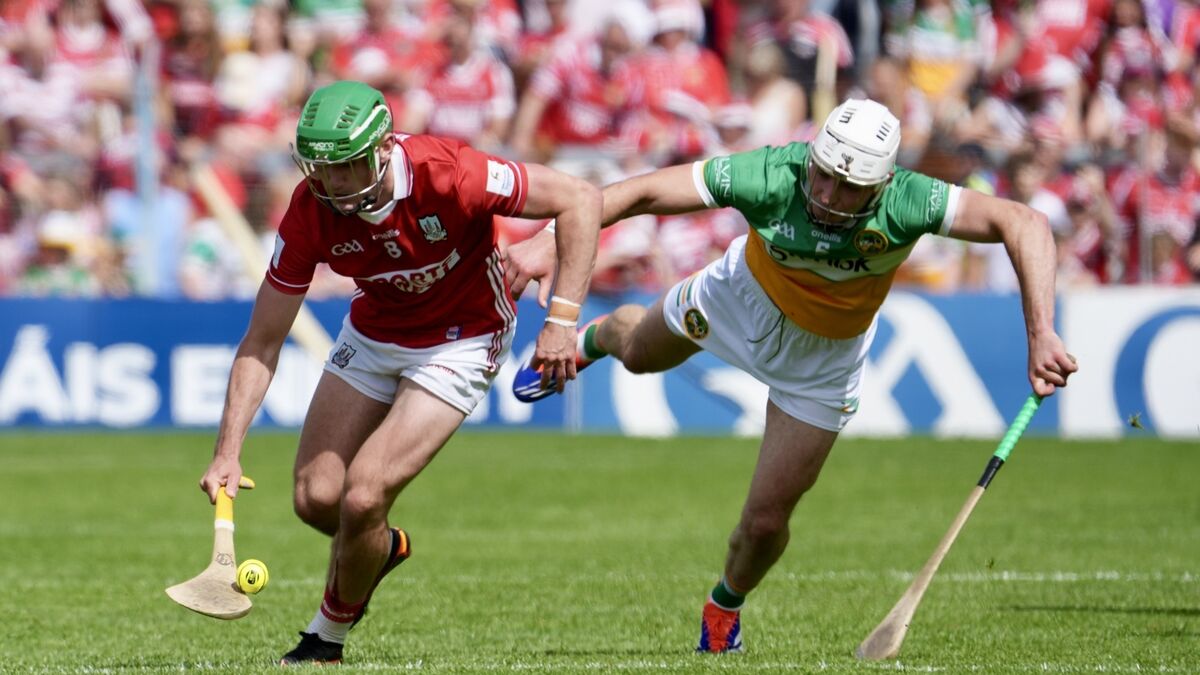
Cork hurler Brian Roche sails past Offaly's Ross Ravenhill in the All-Ireland quarter-final at Semple Stadium. Picture: Noel Sweeney
On the day that the Cork team and panel were announced for the All-Ireland quarter-final against Offaly in mid-June, the Bride Rovers GAA club website published the full squad released by the county board, alongside some detail around the inclusion of two of their senor players Brian and Eoin Roche.
Eoin was on the bench while it was Brian’s first championship start of the season after suffering a leg injury earlier in the year. “There is redemption for Brian Roche,” it said on the club’s website.
The match was a non-event as Cork did as they pleased when winning by 26 points. Still, every championship match is an opportunity and Brian Roche appeared to have taken his when performing solidly and scoring 0-2.
Roche started at midfield against Offaly because Cork’s two starting midfielders Tim O’Mahony and Tommy O’Connell were injured after the Munster final. Roche was always going to lose out when they returned but O’Mahony and O’Connell were still clearly carrying the effects of those injuries against Galway.
O’Connell went off in the 48th minute, while Diarmuid Healy was moved to midfield. As Roche was nowhere to be seen, what was he thinking watching on from the sideline?
Injuries did curtail and restrict Roche’s season but as soon as Ben O’Connor took over last autumn, Roche looked like the type of player that O’Connor wanted; huge work-rate, aggressive, brilliant attitude, a middle-third forager with an eye for a score.
Redemption for Roche was short-lived but that was a theme for numerous Cork players throughout the 2026 championship.
Every manager says that players are picked on their form in training but, even working off those guidelines, it was almost impossible to get a read on the pattern of Cork’s substitutes throughout the summer.
Shane Kingston didn’t make the championship panel of 26 for the first two games against Tipperary and Limerick before being included for the Waterford game.
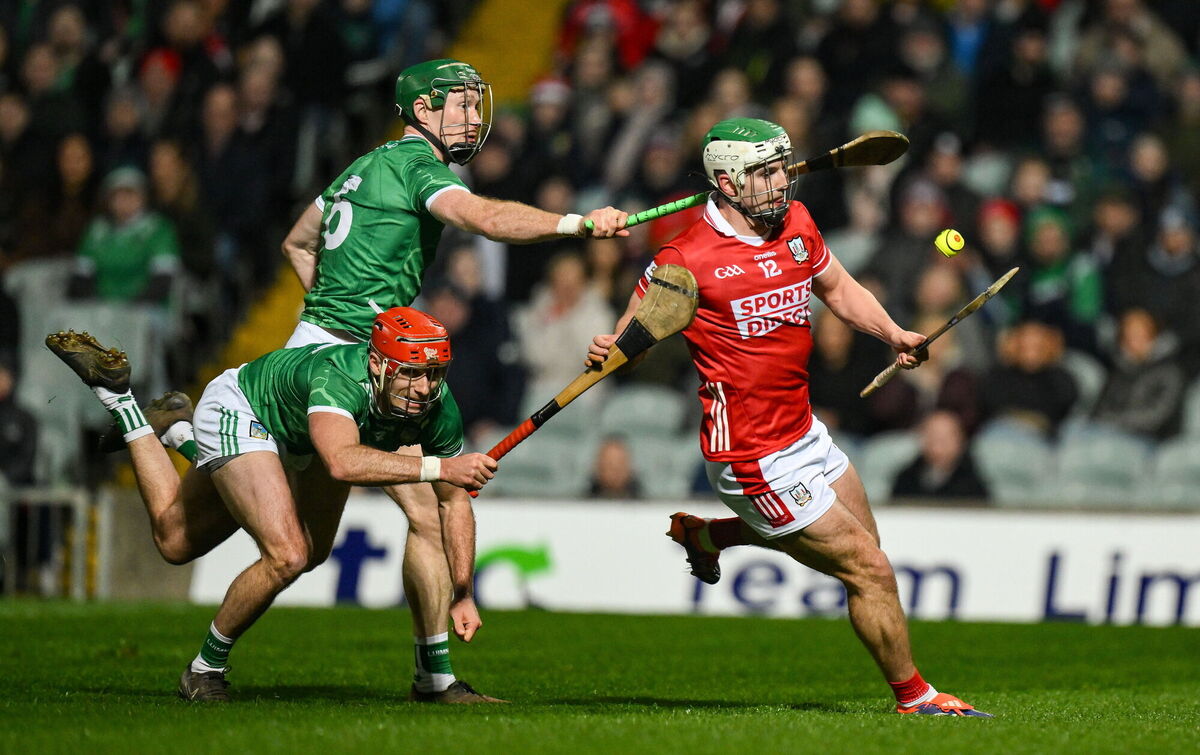
Kingston didn’t feature that afternoon but he was hauled off the bench against Clare and scored 0-3. And that was the end of Kingston’s championship involvement for 2026, failing to see a minute of game-time in Cork’s next three matches.
Read More
Kingston had made some huge scoring contributions off the bench for Cork in recent years but management clearly had no interest in tapping into that experience – and Kingston’s electric pace and ability to get a score or create a chance – at the most critical stage of the season.
After Cork hammered Offaly in the league in March, O’Connor doled out special praise to Padraig Power, who returned to a Cork jersey for the first time since rupturing his ACL in the league against Limerick in February 2025.
His two points that evening against Offaly back in March was a reminder of Power’s ability, which O’Connor acknowledged afterwards. “I'm sure that Paudie will have a big part to play in this team before the year is out,” he said.
But he didn’t. Power came on in additional time against Tipperary and Waterford before being introduced against Clare with 12 minutes remaining. And, again, that was the end of Power’s game-time for the season.
Seamus Harnedy’s championship campaign was also one of clear frustration, even if injury played a significant factor in his limited game-time. And it was extremely limited.
After coming on in additional time against Tipperary, Harnedy saw no action against Limerick before being introduced in the 59th minute against Waterford, when he scored one point.
Harnedy saw no game-time against Clare before only being introduced in the 66th minute of the Munster final against Limerick. Even though the Cork attack was misfiring, the only other forward Cork used off the bench that afternoon was Hugh O’Connor in the 70th minute.
Other players, especially rookies William Buckley, Barry Walsh, Alan Walsh and Hugh O’Connor got their opportunity to make their mark either as starters or off the bench throughout the campaign.
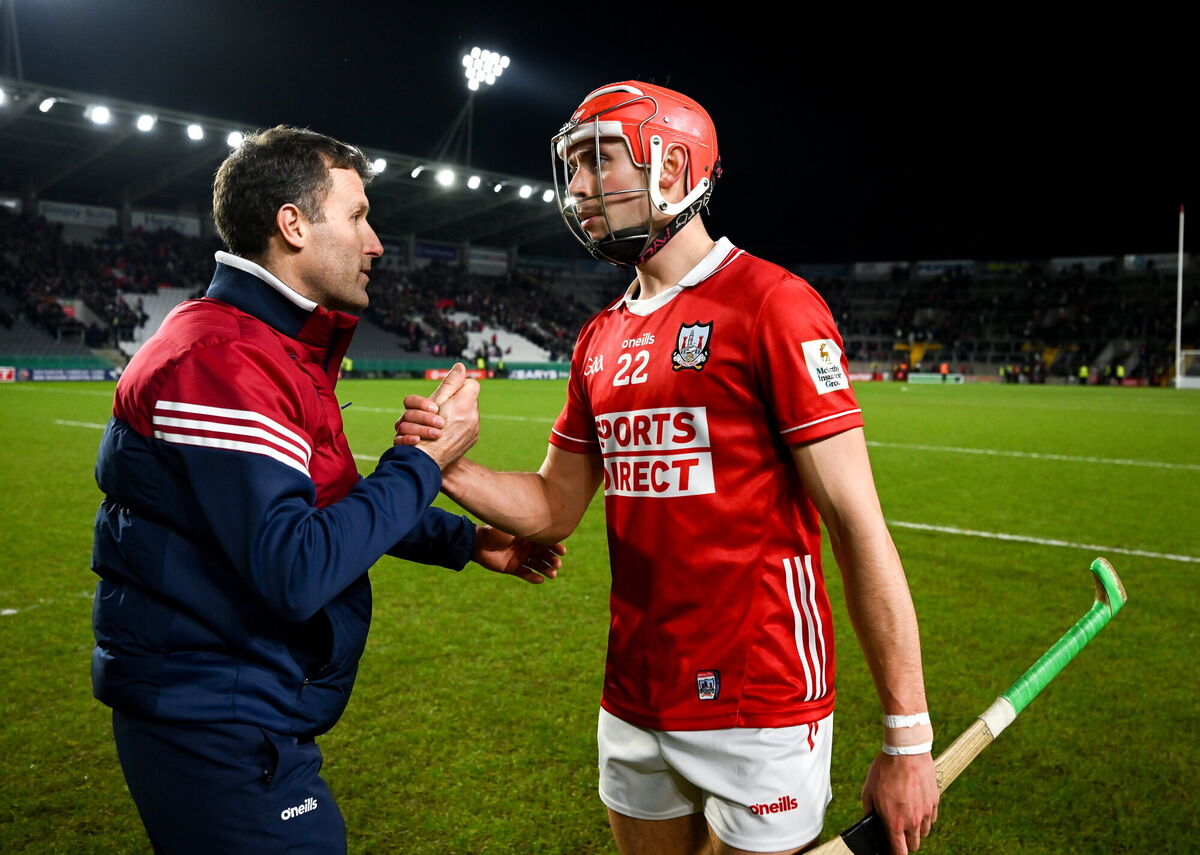
There was constant movement on the panel between numbers 26-30 on match-days where some players would appear, before then effectively disappearing.
Cork were consistent in the selection of their first 15 – as all serious teams need to be. They did win their four round robin matches in Munster and only narrowly lost the final, but the instability and inconsistency with their substitution policy was almost reflective of their summer.
One of Brian Cody’s greatest strengths was how he used the calculated instability within the Kilkenny panel to keep players constantly on edge and in good form when they were in their pomp.
Nobody ever switched off because they couldn’t afford to. Even All-Stars knew that if they dropped off in form and intensity that they would slip down the pecking order.
John Kiely adopted a similar philosophy but there has still always been a clear pattern – especially in terms of timings when they bring players into a game – around Limerick’s substitution policy.
Cody and Kiely were, and still are, working with serial All-Ireland winners and a level of confidence in themselves because they knew, and know, what it takes to win big games.
Cork are still searching for that level of security and bullet-proof confidence. But how Cork ran their bench, and the inconsistency too often associated with that policy in the 2026 championship, is one of the many areas Ben O’Connor and his management will need to improve ahead of next season.





 App?
App?


