Christy O'Connor: Cork hurlers look to win seventh league game in a row for first time since 1953
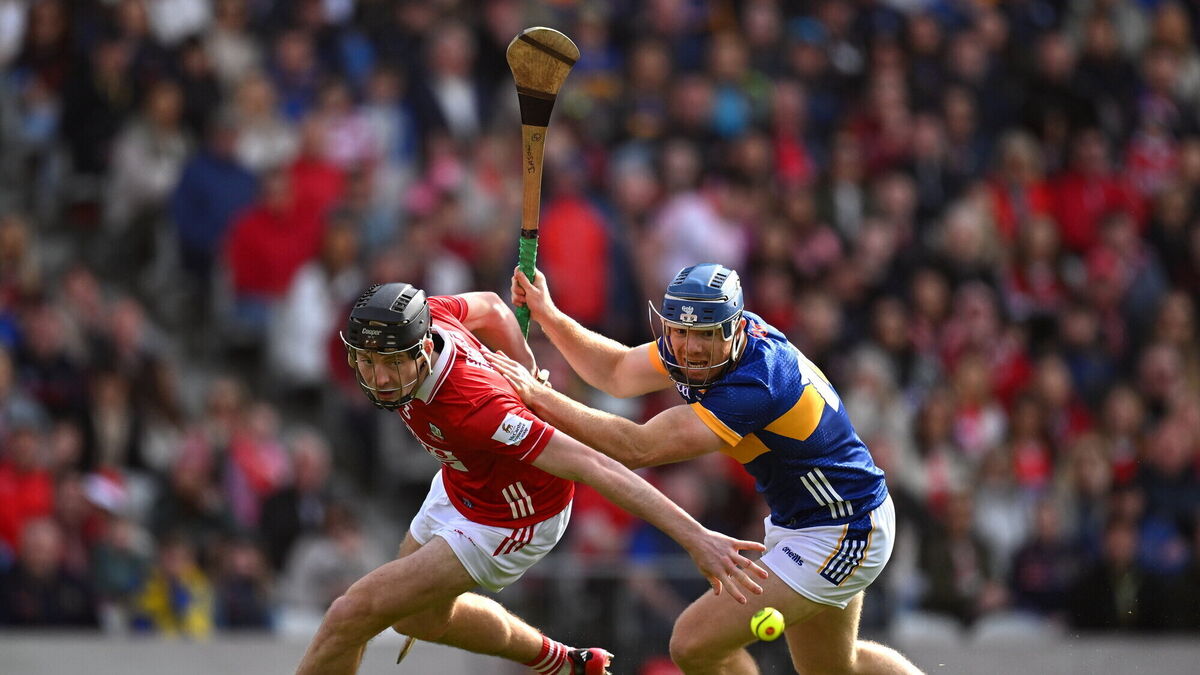
Jason Forde of Tipperary in action against Eoin Downey of Cork. Picture: Brendan Moran/Sportsfile
On March 12, 1989, Cork met Dublin in their final round Division 2 hurling league game in Croke Park, which also effectively doubled up as the Division 2 final.
There wasn’t any final per se that season but Cork went into that match top of the table on 12 points, with Dublin second on 10 points. A win or a draw for Cork would have seen them crowned Division 2 champions.
But a victory for Dublin would have seen them catch Cork on a head-to-head at the top of the table. And that’s exactly what happened. Dublin won pulling up, whipping Cork by 10 points.
Cork only managed 1-3, a goal from Tony O’Sullivan and points from Micky Mullins and Jim Cashman.
It was a really poor performance but having been relegated the previous season, Cork had already achieved their objective of getting back into Division 1 again for the 1989-’90 campaign.
Being crowned Division 2 champions was of no interest to Cork at that time but that Dublin performance was symptomatic of a very erratic and inconsistent league campaign. Cork did win six of their seven games but they were patchy and unconvincing in some matches that they were expected to win far handier.
That inconsistency carried into the Munster championship when Cork were beaten in the semi-final by Waterford after a replay. One of the deciding factors was the head injury to goalkeeper Ger Cunningham, who conceded three goals after playing the remainder of the game in a daze after being seriously concussed.
Still, Cork knew how far off the pace they were that season when Tipp hammered Waterford in the Munster final by 12 points.
Cork were expected to dominate an eight-team Division 2 in that 1988-’89 season and, while they lost their most important game of the campaign, they still won six successive matches. And it’s taken Cork until 2025-’26 to win six successive league matches again.
If Cork were to win a seventh successive league game now on Saturday, that would mark the first time that has happened since the 1952-’53 campaign when Cork won eight league games in one season.
After beating Antrim, Dublin, Kilkenny, Laois, Waterford in Wexford in Group A of Division One, Cork beat Dublin in the semi-final before facing Tipperary in the 1953 league final.
Tipp had also won seven successive league games up until that point of the season, but Cork beat them in the final in Croke Park by 2-10 to 2-7.
The sides also met in a Munster final three months later, which Cork won by five points, before Cork went on to retain their All-Ireland that September when overcoming Galway in the final by four points.
These two teams have been the most consistent sides in the league and championship over the last 12 months, but the timing, setting and appeal of Saturday’s fixture is wrapped up in what happened in the second half of last year’s All-Ireland final - and the intrigue as to what might happen next between these two teams.
Neither of these playing groups or managements will be getting carried away with a league fixture in early February but this game still carries a significant amount of weight in the context of the psychological battle that is now being waged between the teams.
There was a stage last year when Cork were convinced that they had Tipp’s number, after hammering them in successive Munster championship matches in 2024 and 2025 and in last year’s league final.
Tipp proved last July that they hadn’t but Cork will be eager now to show that one catastrophic half of hurling hasn’t critically altered their status in this relationship.
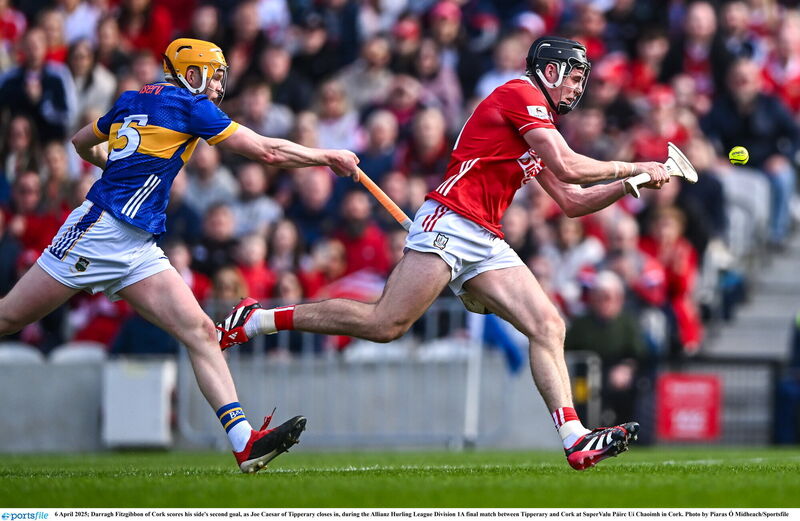
Cork certainly won’t believe that Tipp are now suddenly better than them but Saturday’s game is another key battleground in setting down those psychological terms.
For all the doubts that Cork had planted in Tipp’s heads in the space of 12 months between May 2024 and April 2025, the most important turning point in how Tipp viewed themselves against Cork was shaped by their league win in Thurles last February.
“We are enjoying the challenge of redeeming our identity as a group of players, and ourselves as a management team,” said Liam Cahill after that four-point victory.
“We are looking really to the future now. The future is in our hands. We are not looking back anymore. We are fully committed to looking forward, learning and improving every day we go out.”
Unlike Cahill, O’Connor wasn’t around for the previous difficult days, but, similar to Tipperary this time last year, Cork have had the appearance of a group not looking back but enjoying the challenge of redeeming their identity and looking forward to the future.
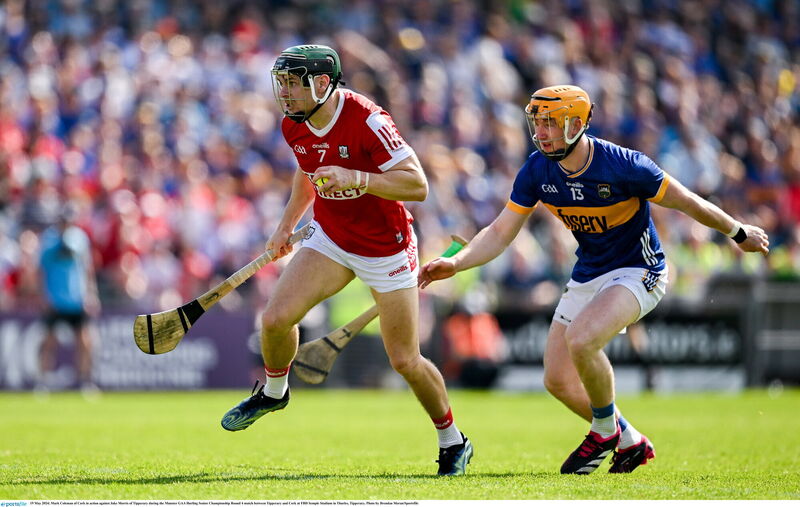
There is still a long way to go for Cork, but Tipp showed last year that the quickest way to redemption, restoring confidence and healing traumatic scars is by winning matches.
And winning a seventh successive league game for the first time in 73 years would be an ideal way to show that Cork are back on track and moving forward positively into the future.
Especially when it's Tipp now in the other corner.








 App?
App?


