Julie Helen: Cost of disability payment left out a raft of people...including me
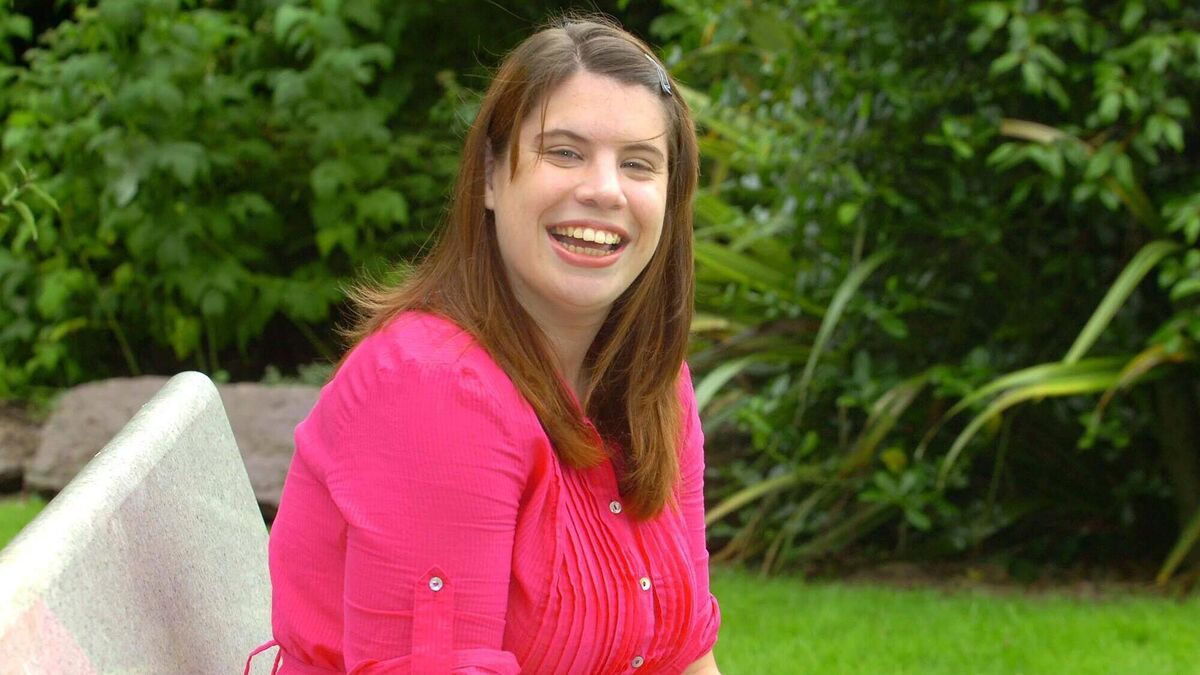
I feel sick talking about my extra costs because at the moment, I can cover them...but, our situation could change very quickly.
Julie Helen: Cost of disability payment left out a raft of people...including me

I am glad that there is a step to acknowledge the cost of disability, but a social welfare top-up is not a cost of disability measure, says Julie Helen. 
As a disabled person, I sit in a spot where I have a lifelong condition that costs me more to manage in my life. I have cerebral palsy. It impacts my muscles and joints. It causes pain and means that I expend two to five times the energy an average person does in a day, just to function. That is not a sad description; it is just fact. My cerebral palsy comes with extra costs; they have always been there, but they seem to grow and be more constant, and the supports around those costs don’t seem to change.

Back in 2021, research was published on the cost of disability in Ireland. Then, for the first time, the Government of the day acknowledged that disability does come with extra costs and at a basic level, the minimum cost was about €10,000 per year, per person.

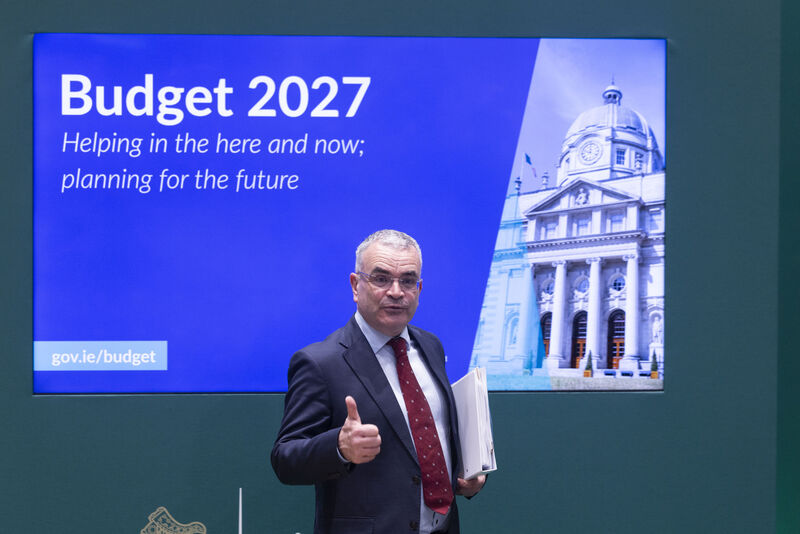
Ahead of Budget 2027, many disability organisations campaigned for a starter payment of €55 per week to be made to help cover these costs. Last week, as part of Budget 2027, for the first time, a “cost of disability” payment was announced. €500 will be paid to around 240,000 disabled people who receive social welfare payments in respect of disability. They will get the annual payment in January.

Minister for Social Protection and Minister for Rural and Community Development and the Gaeltacht: Dara Calleary TD detailing the details of Budget 2027.	Picture:: Sam Boal/Collins Photos
Minister for Social Protection and Minister for Rural and Community Development and the Gaeltacht: Dara Calleary TD detailing the details of Budget 2027. Picture:: Sam Boal/Collins Photos

The Government has said it will also commence a co-design process with disabled people and their representatives on how the payment should be structured and delivered in subsequent years.


The new payment equates to less than €10 euro a week, and it left out a raft of disabled people. It left me out. It left my husband out. It left us out because we earn above the thresholds to receive social welfare. The extra costs are still there for us.

If we did receive a payment of €55 a week, that would amount to €2,860 annually, and being conservative, our costs as two disabled people definitely amount to €28,600 per year. I have more needs than the minimum, and my husband probably has the lowest level of need. So if we had been granted the basic ask, we would still only get a fraction of our extra costs covered.

Outside of this, the Budget will provide for a weekly €10 increase in the core rates across all income support schemes, in line with inflation.

I am glad that there is a step to acknowledge the cost of disability, but a social welfare top-up is not a cost of disability measure. A real and effective cost of disability measure needs to be without a means test, needs to apply regardless of employment status, and needs to be automatic and easy to apply for. Nobody wants to be in a position where extra costs are crippling or frightening.

There are too many people choosing between heat and food in our winters, begging for services, and I feel sick talking about my extra costs because at the moment, I can cover them. Someday it might be very hard for me to work, or I could get a disability related injury, and so could my husband, and our situation could change very quickly. There is a small space between us and financial worry and the €28,600 we must find every year certainly has an impact on that.

My home thermostat is showing 21 degrees as I sit here. I am wearing a jumper. Our air-to-water pump works hard all year to keep me warm and cosy which melts my muscles and reduces pain. Our heating and electricity cost more than average, and we absorb that cost because we want to flourish. I am disappointed we will get no help this time around.

I feel like the cost of disability is still misunderstood and that there is a lot more advocacy work to do to change how disabled people are valued in Ireland in 2026.

More in this section

Mother and preteen son lying on bed and reading Julie Helen: ‘Reading led us to have conversations around bullying’
Emer O'Callaghan: Harness the power of positive ageing Emer O'Callaghan: Harness the power of positive ageing
WoW Bites!: An ode to the women making black pudding in Cork WoW Bites!: An ode to the women making black pudding in Cork

Sponsored Content

New build, renovation or replacement? Seven window and door decisions to make before comparing quotes in Ireland New build, renovation or replacement? Seven window and door decisions to make before comparing quotes in Ireland
Oxford fertility expert brings 30 years of experience to Sims IVF Cork Oxford fertility expert brings 30 years of experience to Sims IVF Cork
BnM Securing Ireland’s energy future through home-grown renewable power at the heart of BnM plans
Contact Us Cookie Policy Privacy Policy Terms and Conditions

© Examiner Echo Group Limited

Add Echolive.ie to your home screen - easy access to Cork news, views, sport and more