Meet the Cork woman calling for safer period products in the EU
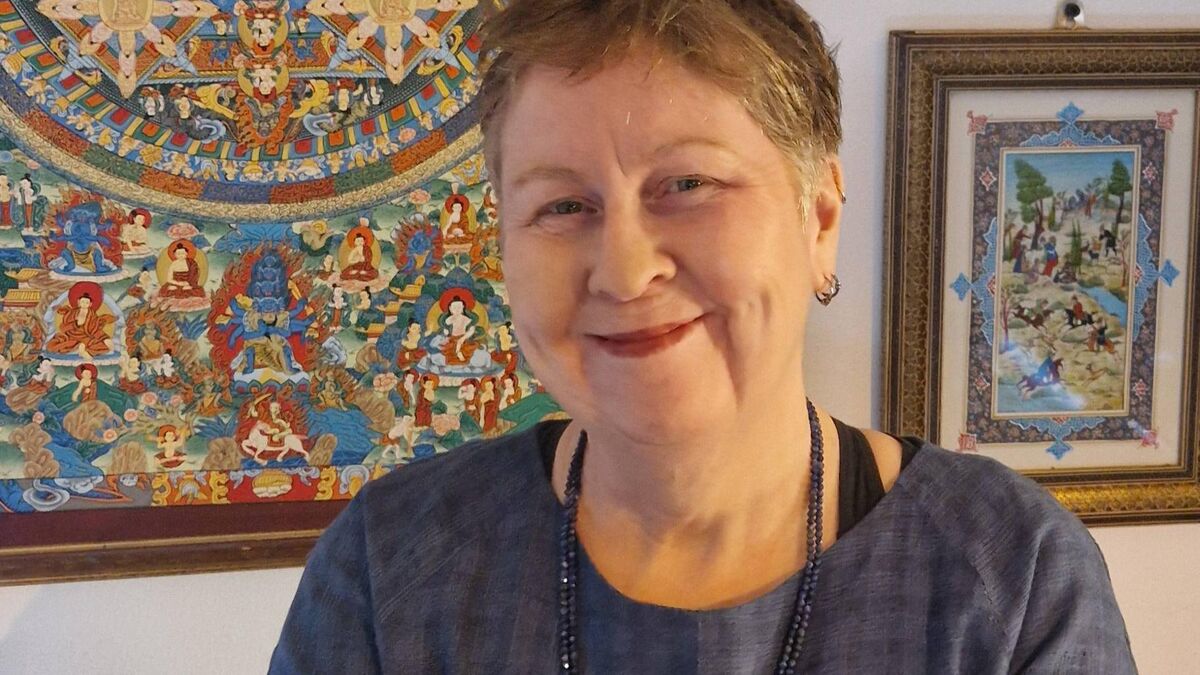
Helen Lynn is on a mission to see increased regulation around period products. She tells COLETTE SHERIDAN why.
Meet the Cork woman calling for safer period products in the EU

Helen Lynn of the Women's Environmental Network wants to see more regulation of period products. 

A Cork woman was the keynote speaker at the recent Menstruation Research Conference 2026 in the UK, which heard calls for a ban on toxic chemicals from period products.
Helen Lynn, senior consultant and research fellow at the UK’s WEN (Women’s Environmental Network) and an honorary researcher at the University of Exeter, is calling on the EU to increase regulation for period products, reaching out to Irish MEPs.

Helen says that she believes periods are not taken seriously.

“There’s huge stigma around menstruation. We think it’s one of the reasons it isn’t discussed.”

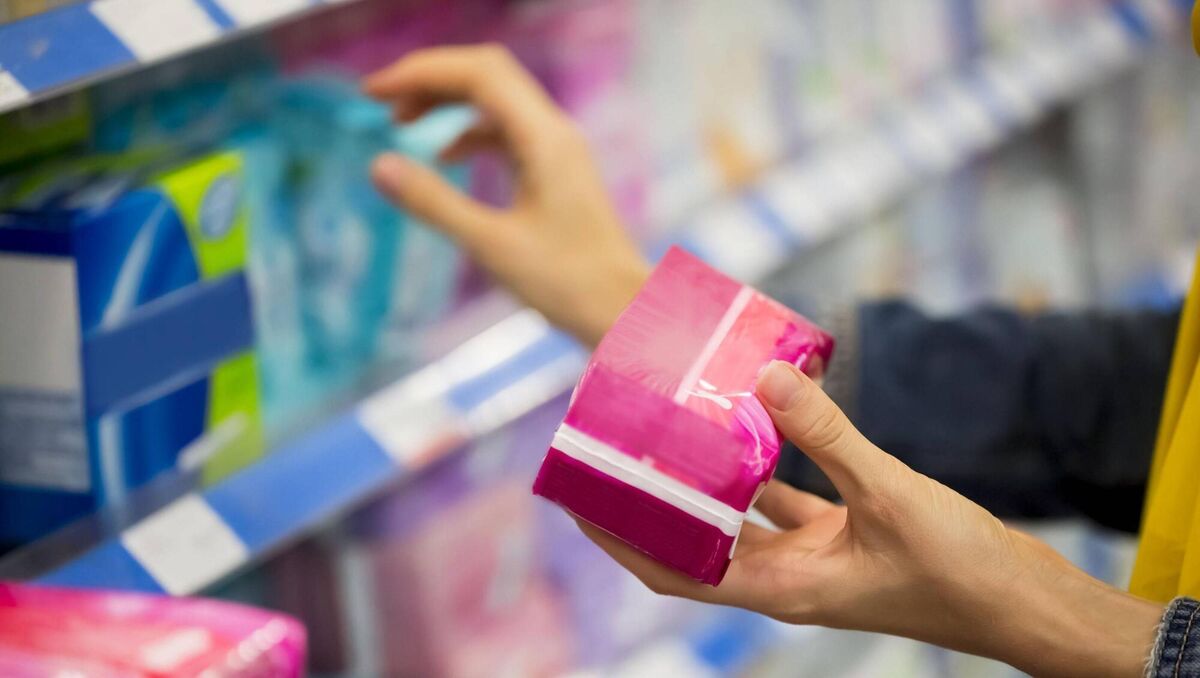
She said that independent tests on period products have found levels of toxic chemicals like ‘forever chemical’ PFAS, heavy metals like lead, arsenic and mercury, as well as pesticides such as glyphosate, biocidal silver and synthetic fragrances.

Helen told the conference that period products are placed in prolonged contact with the highly permeable vulval and vaginal tissues.

“Repeated tests have shown that toxic chemicals are present in period products. Worryingly, we know there are no safe levels of exposure for many of these chemicals, so even small amounts could be harmful. We believe everyone who needs them should have access to safe, sustainable and accessible period products, and we’re calling on governments to take action now.”

Speaking to The Echo, Helen said that WEN would like to see period products regulated like cosmetics.

“With cosmetics, there’s a list of ingredients on the outside packaging. You can see exactly what’s in cosmetics. In the EU, there is constant reviewing of older materials that are used in cosmetics.

Some countries have already started to respond to concerns around period products.

“Obviously, new materials have to have certain health and safety data before they can be used. They are properly regulated because of the dermal exposure through our skin. But period products don’t have this. We think we have reached a tipping point on this now. There’s no going back to business as usual.”

WEN was established in 1989, and it began by looking at chlorine bleaching of paper pulp used to make nappies and period products. It came amid concerns about the level of dioxins in these sanitary products - chemical compounds that are pollutants in the environment, some of which are extremely toxic.

“That campaign has always stayed within the organisation. We started calling for the safety of period products. Over the years, we’ve looked at things like Toxic Shock Syndrome. We got a warning put on the side of tampon packets in 1996. I stopped using tampons then.

“Toxic Shock Syndrome is not very common. You can get it from other things as well. But it’s important to warn people about it if they’re feeling sick and they feel it could be from using a tampon. It’s something that should be asked in hospitals if people come in feeling ill... It’s something to be aware of.”

Last year, WEN carried out a study with Pesticide Action Network UK looking at chemicals in tampons.


“We found levels of glyphosate (a pesticide linked to cancer) in tampons at 40 times the safety limit allowed in drinking water. It’s one of the world’s most widely used pesticides. It’s not something you want to find in tampons.

“The study was only a small sample, but it has implications for what is in other products as well. It’s a probable human carcinogen.”

Helen says that WEN has also found that additives are being used, particularly in the newer period products such as period underwear.

“There is a big concern about menstrual odour. Period pants can be worn all day. Consumers are really concerned about any smell from it so producers add biocidal silver (which may disrupt healthy vaginal bacteria) to reduce odour.

“If the pants are made up like synthetic material, they’re obviously going to cling onto odours more than they would if made out of cotton ... they’re not seen as medical products. In the EU, they’re classified as a general consumer product.”

It’s important that people have choice when it comes to period products, says Helen.

“There are reusable pads, menstrual cups and menstrual discs. Some people don’t like using internal devices because of medical conditions or religion or whatever. The reusable pads are usually 100% organic cotton. You rinse them in cold water, and you can wash them in a washing machine. Menstrual cups and discs are a really good option and are cost effective. They’re made of 100% silicone. You can use a cup for up to eight hours. The disc is softer and some find it easier to use. It’s like a diaphragm. It can be used for up to eight hours. They cost a little bit more than the cup.”

Some countries have begun to respond directly to concerns about chemicals in menstrual products. India regulates sanitary towels through mandatory certification with the ISI (Indian Standards Institute) mark indicating that products satisfy prescribed benchmarks for safety, hygiene and functional performance.

Menstruation is a health issue for women and girls. “The focus has been on accessibility. We need to expand it to look at safety and sustainability,” says Helen.

More in this section

Cork centenarian: ‘In my 80s I went around the world... my 100th birthday was marvellous’ Cork centenarian: ‘In my 80s I went around the world... my 100th birthday was marvellous’
Handsome Man Washing his Face in the Bathroom Emer O'Callaghan: What men want on the beauty front
Less than a quarter of MD Chair roles went to women Less than a quarter of MD Chair roles went to women

Sponsored Content

Keeping their house in order: How PSRA regulation has raised the bar for Ireland’s property services sector Keeping their house in order: How PSRA regulation has raised the bar for Ireland’s property services sector
"My master's at UL taught me that structured learning and a demanding career can coexist" "My master's at UL taught me that structured learning and a demanding career can coexist"
Three days of steam, music and heritage at the 62nd National Steam Rally Three days of steam, music and heritage at the 62nd National Steam Rally
Contact Us Cookie Policy Privacy Policy Terms and Conditions

© Examiner Echo Group Limited

Add Echolive.ie to your home screen - easy access to Cork news, views, sport and more