Looking after mum: ‘If you don’t mind yourself, you won’t be able to be there for your baby’
MARGARET DONNELLAN chats to women in Cork about their postpartum recovery and hears from experts about taking the time to reset and look after yourself after having a baby.
Looking after mum: ‘If you don’t mind yourself, you won’t be able to be there for your baby’

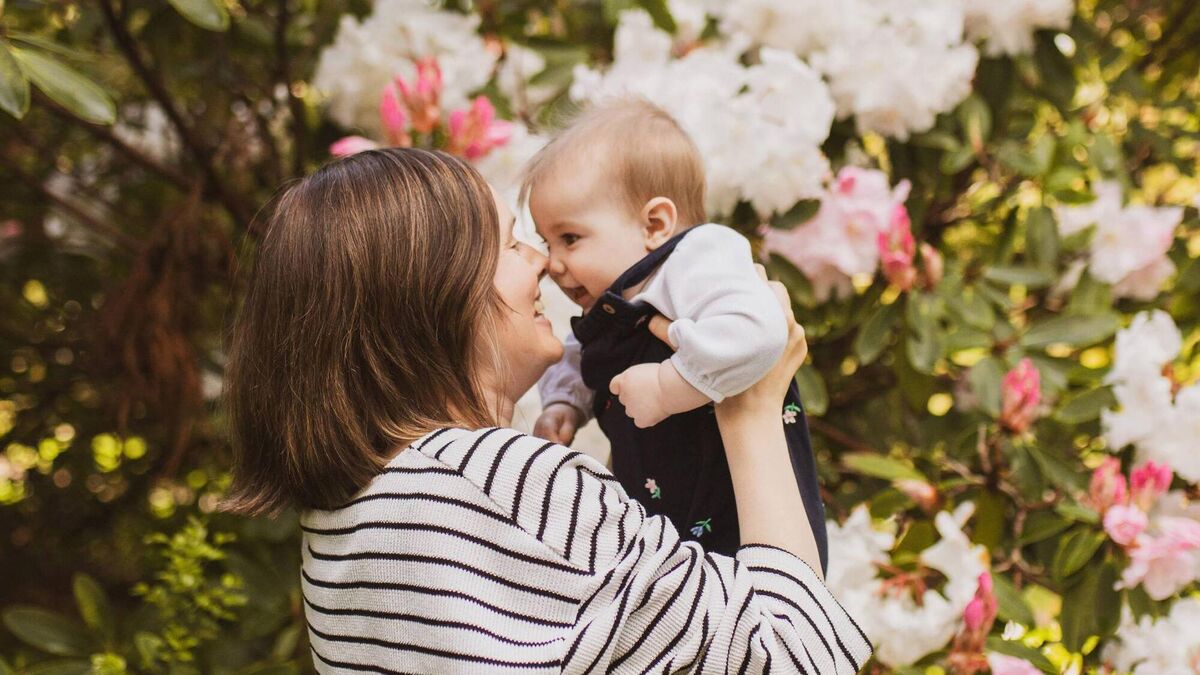
Margaret Donnellan and daughter Claudia. Picture: Ciara Murphy
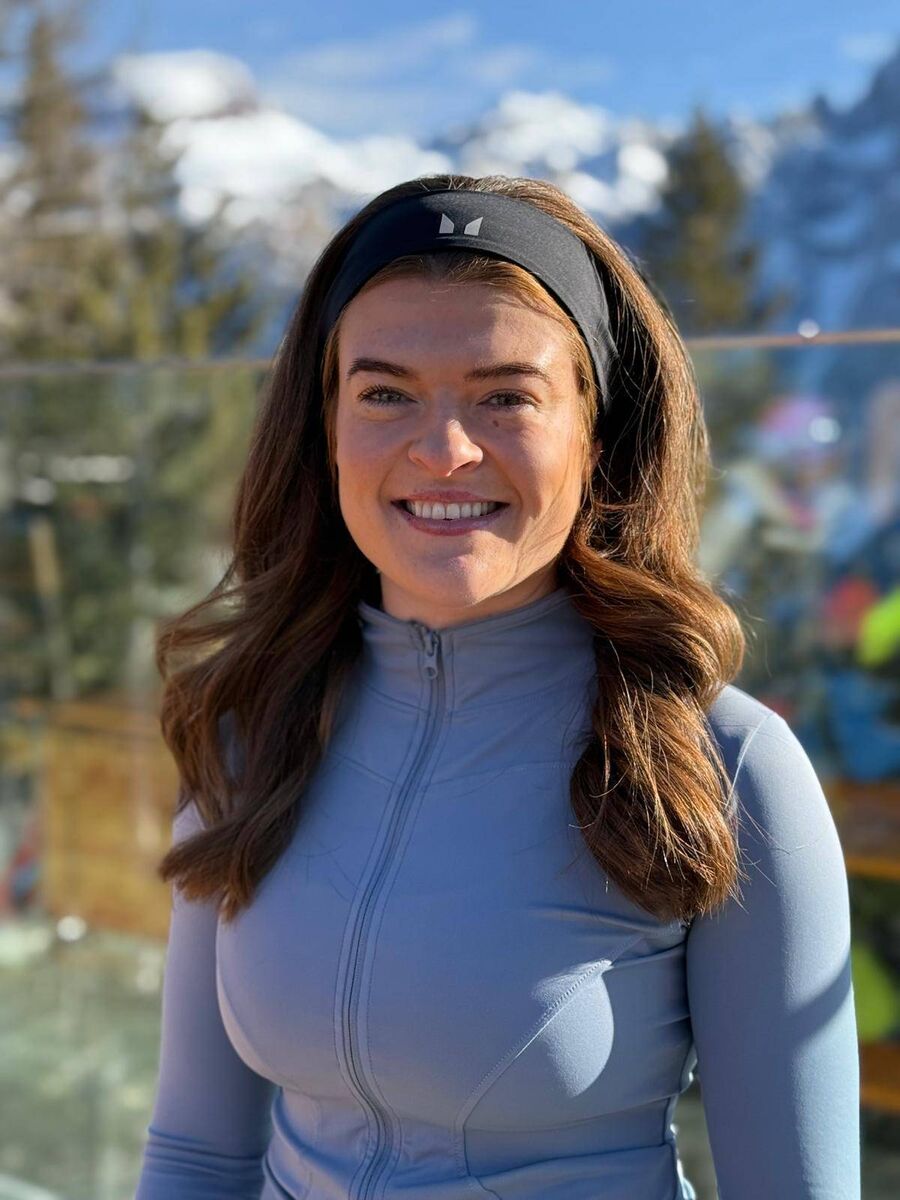
Becoming a mother is a total reset in many ways. Sleepless nights, endless nappy changes, and round-the-clock feeding are all part and parcel of the hectic postpartum period. In getting to grips with the new routine of motherhood – and ensuring everything is okay with their precious new baby – many mums find themselves neglecting their own health.

After having my second child in 2024, I began experiencing lower back pain. Between looking after a newborn and a toddler, I just ignored my own issue until – nearly a whole year later and often struggling to lift my daughter – I knew that I needed a full physical reset if I was to even attempt to get back to normal. So, I finally went to a physiotherapist for assessment.

That physiotherapist, Caoilfhionn Brophy, from Every Body Physiotherapy in Mallow and the Cork Therapy Centre in Tower, says that this tendency in mums to ignore our own postpartum health is a common phenomenon.

“You know, you put the baby first and you start to neglect yourself... We see a lot of women coming in a bit later, maybe at, you know, six to nine months postpartum and I suppose they just expect everything to get back to normal.”

While the idea that women should just ‘bounce back’ to normal after pregnancy and childbirth is a harmful myth, getting back to physical health is hugely important for the wellbeing of new mums. However, it doesn’t look the same for everyone. Currently, mothers and their babies in Ireland receive a check-up at six weeks postpartum, a generic time stamp which, for many, may lead to unrealistic expectations of what to expect after giving birth.

“Some of the messaging maybe 10, 20 years ago”, says Caoilfhionn, “was very much just about going to see your GP at six weeks and then off you go into the big bad world... But actually, you’re not sleeping well, you might have a baby you’re struggling to feed, you might be anxious, you’re making sure the baby is okay all the time... It’s really unrealistic to think of women achieving any sort of normalcy after six weeks”.

Physiotherapist Caoilfhionn Brophy

Caoilfhionn frequently sees the same ailments in postpartum women attending her appointments. Lower back pain, pelvic pain and pelvic floor issues are the most common. “We find about 50% of women postpartum will present with lower back pain,” she tells me. “And then another very common one, again around the 50% mark, would be some urinary incontinence”. Other issues include pelvic organ prolapse, abdominal separation, and sexual dysfunction.
Physiotherapists utilise various techniques to aid patients in their postpartum recovery. In my case, a mixture of manual therapy and a programme of exercises significantly helped my lower back. After just a few weeks, I felt much stronger and back to my usual self.

Alongside the common postpartum problems, there are other serious symptoms that shouldn’t be ignored, as Frankfield-based mum-of-three Emma Crowley discovered after her pregnancies. Plagued by tiredness, Emma initially put her low energy down to having twin toddlers, Bradán and Brí (now four and a half), then-baby Lúgh (now three) to look after.

“I was a bit shook,” says Emma. “I had been feeling so terrible and I was kind of like, ‘how is everyone else handling all this so well?’ They were dressed up like they used to be and had loads of energy running around and I just felt awful”.

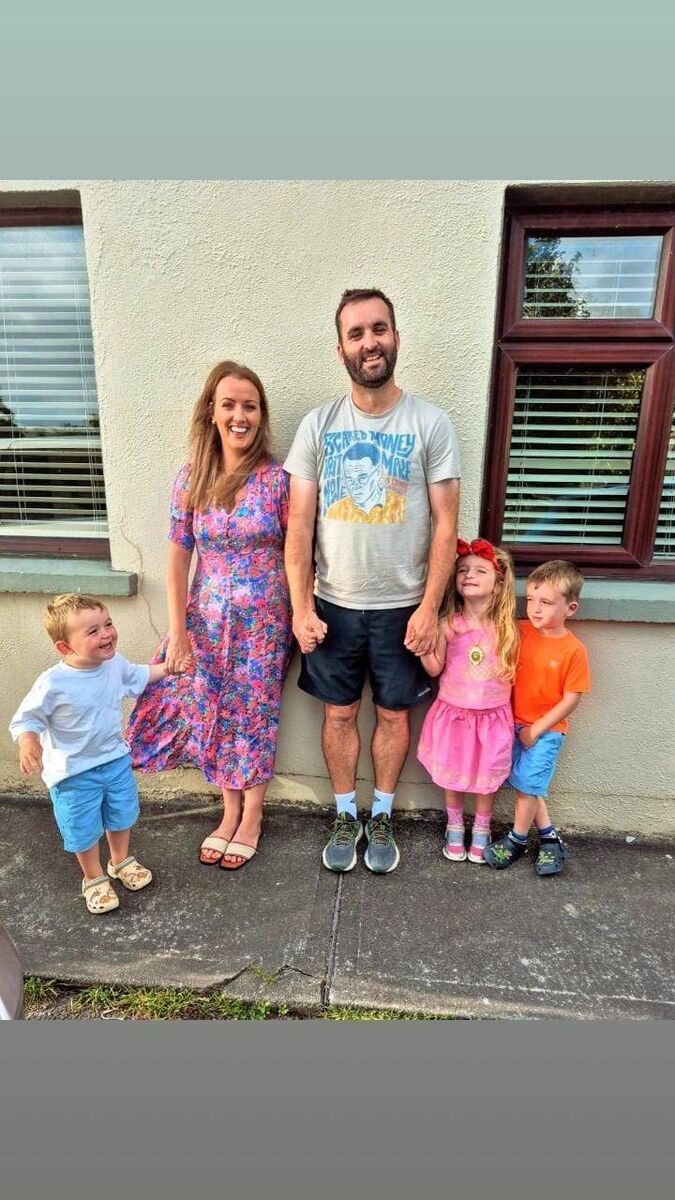
Emma Crowley with husband Colm and children Bradán, Brí and Lúgh. 

Like so many other new mums, Emma had put all her focus on the wellbeing of her babies. Her twin pregnancy, in particular, had seemed straightforward, with a spontaneous labour resulting in two healthy and thriving babies. It was only when Emma began investigating her medical notes that she discovered the full circumstances of her delivery in 2021.
“I had a severe postpartum haemmorhage, which I didn’t know. I lost three pints of blood and had an iron infusion. I didn’t fully recover from that, really, until now”.

Emma has since been diagnosed with low ferritin levels – iron deficiency. This diagnosis has been key to unlocking the mystery of her symptoms which included low energy, hair loss, insomnia, frequent infections, and generally just not feeling herself. She has received iron infusions and now has a B12 injection every second day alongside daily high-strength supplements. She’s finally starting to feel back to normal, but is frustrated as she felt she was not always being listened to by health professionals when she was feeling at her lowest.

“I had no idea about ferritin levels or the impact it could have on you. It was really dismissed just because I’m a woman who has children.”

While some women like Emma have a difficult journey back to physical health after pregnancy, others feel well quite quickly and make a swift return to their fitness routines. However, the wrong kind of exercise can have detrimental effects.

“High impact exercise is most likely to cause issues,” says Ali Dorgan, a neuromuscular therapist and nutritionist who lives and works in Cobh. “A lot of people will start running really quickly after a baby, often because they try to lose weight and they think that’s the easiest way to do it... Then they start coming in with weak bladder issues, strains and pains down their legs and in their groins.”

Ali has just become a mum herself to baby Aksel, who is six months old. Through her work, she has seen postpartum mums with the same issues cited by Caoilfhionn Brophy. She understood the importance of staying fit in pregnancy and maintained most of her regular routine – a mixture of aerobic fitness and strength and conditioning – albeit with modifications. But even Ali faced physical challenges in the postpartum period.

“I had a C-section, which was unexpected. I hadn’t planned to recover from one. So I had to go, okay, now I have to think about this differently”.

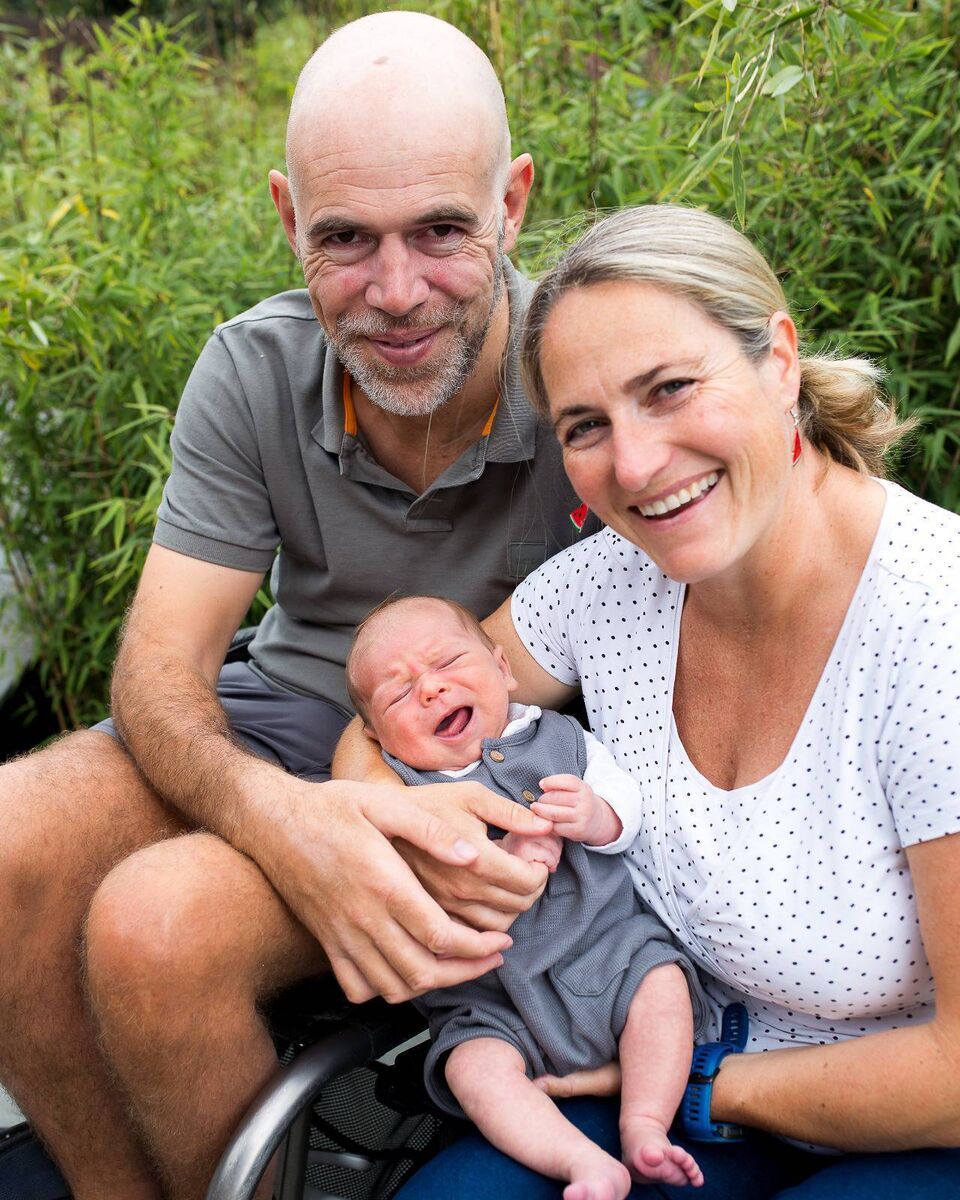
Ali Dorgan with husband Finbar and baby Aksel. Picture: Amy Frahill

Ali found that her main issue was core weakness – moving from lying down in bed to sitting up to feed her son, and lifting him in and out of the cot. “I went from having a very strong core to incredibly weak.” These challenges aside, she made a good, quick recovery and was able to go back to gentle strength exercises from an early stage, to which she credits her pre-natal fitness regime.

“I do think what helped me a lot was the fact that I had been doing core work up until delivery. Even though your muscles have been cut, your muscle memory in the tissue comes back quicker if you’ve done strength work before birth versus someone who hasn’t.

“So once you start doing things gently and easing back into it, the muscles get stronger really quickly because the nervous system remembers.”

Ali stresses the importance of prioritising strength over cardio, and recommends that women return to exercise in a gradual manner – starting slowly with walks, strength exercises and activities like yoga and Pilates, and working up to higher impact activities like spinning and running.

Caoilfhionn Brophy agrees with this approach and suggests that women take their physical reset in stages, assessing progress at the end of each stage.

“Having a timeline is so much easier to follow... Say you’ve sailed through the first six weeks, and now you’re starting to go on longer walks, but you’re feeling a heaviness that wasn’t there before, or you’ve got a new pain in your back or pelvic area.

“All these things mean that you don’t progress to the next stage. Stay at the previous stage for a little bit longer and see if the symptoms improve. If they don’t, go to a physiotherapist.”

Every woman is starting their postpartum physical health reset from a different place, depending on pre-natal fitness levels, health issues during pregnancy, and method of delivery. It is difficult, therefore, to rely on general advice.

Both Ali and Caoilfhionn recommend that postpartum women seek a physical assessment – sometimes referred to as a ‘Mummy MOT’ - before returning to exercise.

This intervention could ensure that many issues are identified early, and “even if it did nothing else,” says Caoilfhionn, “it would just give [mums] the confidence to feel good about getting back to physical activity”.

Early motherhood has its challenges, but it is ultimately a rewarding time. A postpartum physical reset should be just as enjoyable.

“Exercise is there to energise you during pregnancy and help you recover postpartum,” says Caoilfhionn. Ali agrees, and recommends that mums find a routine that suits them and their new lifestyle, such as home exercises, or mum-and-baby classes. Whatever you choose, postpartum physical health is vital, because, as Ali notes: “if you don’t mind yourself, you’re not going to be able to be there for your baby”.

And if that’s not incentive for mums everywhere, I don’t know what is!

Read More

‘I wanted to do something for myself’: Cork woman celebrates recovery with Camino challenge
Dr Catherine Conlon: Is it time to bring more silence into our often frenzied lives?
What’s a vision board and how can you make one? Cork sisters share their top tips

More in this section

Cork wellness coach: ‘I felt the over-60s weren’t being catered for, I wanted to change that’ Cork wellness coach: ‘I felt the over-60s weren’t being catered for, I wanted to change that’
Pictures: Network Ireland events kick off in Cork for 2026 Pictures: Network Ireland events kick off in Cork for 2026
Scam messages Julie Helen: I  have a new tool in joining the dots on my health..an AI app

Sponsored Content

Turning risk into reward: Top business risks in 2026 Turning risk into reward: Top business risks in 2026
Top tips to protect Ireland's plant health Top tips to protect Ireland's plant health
River Boyne in County Meath, Ireland. Water matters: protecting Ireland’s most precious resource
Contact Us Cookie Policy Privacy Policy Terms and Conditions

© Examiner Echo Group Limited

Add Echolive.ie to your home screen - easy access to Cork news, views, sport and more