Just 3 in 10 newly-elected mayors are women
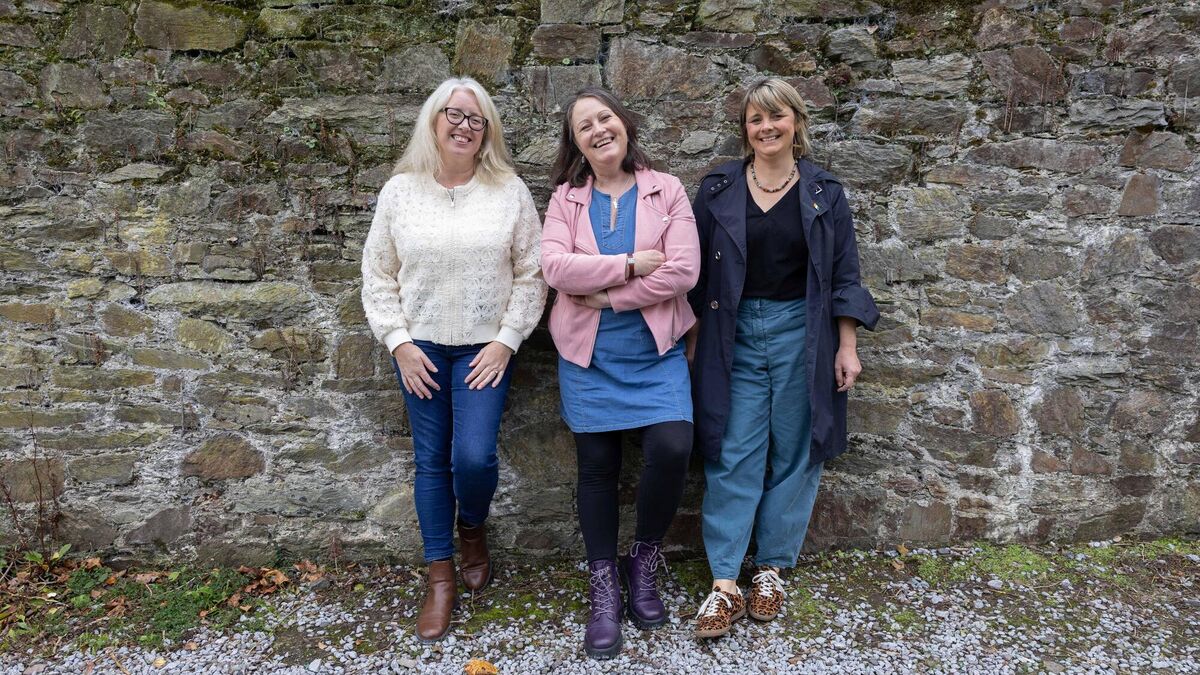
Elaine Duggan, Digital Media and CRM Co-ordinator, Dr Michelle Maher, Programme Manager See Her Elected, and Megan Flynn Dixon, Communications and Development Manager.
Fewer than three in ten newly-elected mayors in Ireland are women, according to a new analysis.
Councils across the country elected mayors for their 2026/27 terms in recent weeks. While the role of County Mayor and deputy Lord Mayor in Cork County Council and Cork City Council respectively, were filled by women last year, this year, men have been elected to the roles of Cathaoirleach and Leas Cathaoirleach in both local authorities for 2026/27.
An analysis by See Her Elected shows that nine women have been elected to serve as Cathaoirleach (Chairperson or Mayor) across 31 local authorities.
Eight women were elected as Leas Cathaoirleach/ Deputy Mayors, which is down from 10 last year.
There are just three county councils where women held the role of both Cathaoirleach and Leas Cathaoirleach.
While See Her Elected said it was celebrating these women, it noted that the “scarcity” of women at the top “points to a deeper and ongoing problem”.
It noted that a breakdown of parties shows that 25 of the 31 Cathaoirleach/ Mayor seats are held by either Fianna Fáil and Fine Gael. They also hold 24 of the Leas/ Deputy roles. In total, of those 49 leadership/ deputy leader roles held by the main parties, just 13 were held by women from those main parties.
See Her Elected Programme Manager, Dr Michelle Maher stressed the importance of women being selected to lead their councils for the 2026/2027 period.
“I want to congratulate each of these women on becoming Cathaoirleach. Every time a woman takes the chair, she helps redefine what political leadership looks like. For too long, visitors entering many council chambers have been greeted by walls lined with portraits of former Cathaoirligh that are almost exclusively male,” she said.
“Today’s women leaders are ensuring that future generations will see a more representative story of local democracy.”
She added: “The small number of women elected as council chairs is not simply the result of this year’s internal votes. It reflects candidate selection and support decisions made before the 2024 local elections, when fewer than 30% of candidates fielded by the two largest local government parties, Fianna Fáil and Fine Gael, were women. A limited pipeline of women councillors inevitably reduces the pool from which parties can nominate for leadership positions.”
Dr Maher said the responsibility for change lies with the political parties.
“With three years until the next local elections, political parties have a genuine opportunity to change this picture. That work begins now by recruiting more women into party branches, supporting them as local area representatives, and ensuring they receive the encouragement, mentoring and backing needed to succeed at selection conventions. If parties invest in building that pipeline over the next three years, next year’s announcement of council chairs could look very different.”
Sign up to receive our weekly newsletter to be in with a chance to win prizes and see what's coming up in The Echo
Have you downloaded your FREE
App?

It's all about Cork!
Add Echolive.ie to your home screen - easy access to Cork news, views, sport and more