Cork mum: Recovery from injury has taught me lessons about patience, humility, and perspective
Cork woman Marie O’Regan is no stranger to facing into recovery, having previously battled serious illness. Six months ago, she was faced with a new challenge when she ruptured her Achilles tendon. Here she talks about rehabilitating and finding an unexpected purpose.
Cork mum: Recovery from injury has taught me lessons about patience, humility, and perspective

Marie says recovery has at times been frustrating and mentally exhausting. She started writing d as a way to process the setbacks and deal with boredom.

Twenty-five years ago, I faced a life-threatening illness - a chapter that taught me about resilience, gratitude, and the fragility of health.

I was diagnosed with meningococcal septicaemia and ended up in the ICU.

There was talk at one stage of amputating my leg.

On February 25, 1999, the then Evening Echo reported that the children at the school I was teaching at during that time were praying for me.

I left the hospital on crutches. Recovery was slow. That experience changed everything. It taught me to make the most of every single day.

From that point on, I decided to use my body as best as I could.

My life came to a sudden halt again last year when I ruptured my Achilles tendon.

Last October, I wrote about that experience on these very pages.

Now, six months into recovery, I find myself reflecting on the journey, the small victories that matter, and the unexpected purpose that has emerged along the way.

The injury

The injury happened ten minutes into a match. I was well warmed up, feeling fit and strong, and one misstep was all it took.

Surgery followed, along with weeks in a boot, months on crutches, and hospital appointments.

For someone used to constant motion, being forced into stillness was harder than I ever imagined. Independence disappeared almost overnight. Walking from the bedroom to the kitchen required planning. Leaving the house felt like a major expedition.

Life continued loudly outside, while I existed quietly on the edges of it.

The stillness

There is a loneliness in long-term recovery that often goes unnoticed. Friends and family checked in at first, but as weeks stretched into months, the world moved at its usual pace while my body could not.

Positivity wears thin. Recovery isn’t heroic. It isn’t dramatic. It is repetitive, frustrating, and mentally exhausting.

Marie says recovery has at times been frustrating and mentally exhausting. She started writing d as a way to process the setbacks and deal with boredom.

And yet, in that quiet, I discovered something unexpected: a space to reflect and to write.

At first, writing was private, a way to process boredom, setbacks, and invisible exhaustion. Gradually, it became something more.

It connected me to others navigating long recoveries and gave my days purpose when mobility and independence were limited.

A new purpose

About ten weeks into my recovery, I heard Neil Prendeville on Red FM speaking to a bride who had broken her ankle the night before her wedding. On impulse, I sent a WhatsApp message sharing my own experience.

Ten minutes later, my phone rang. It was Eimear, the producer of the programme, asking if I wanted to go on air.

I hesitated for a moment, then thought: what have I got to lose? Eighteen minutes later, I hung up.

Neil gave me space to speak not just about the injury, but about the emotional toll of long-term recovery, the isolation, frustration, and subtle losses that aren’t immediately visible.

That conversation inadvertently launched my blog, giving me a public platform to share experiences, raise awareness, and connect with others facing similar challenges.

Writing about my injury inevitably brought up another chapter of my life.

The Evening Echo front page on February 25, 1999, that reported on Marie O'Regan's battle for life

The message became clear: awareness saves lives. Meningitis doesn’t always arrive dramatically. Sometimes it begins quietly — a fever, sore throat, vomiting, sensitivity to light, a rash, or simply a gut feeling that something is not right.

If a child or loved one is unwell and not improving, trust your instincts. Seek help.

I connected with the Meningitis Research Foundation in the UK, which led to conversations, Zoom calls, and eventually an invitation to become an ambassador in Ireland.

My story now lives on their website, helping others recognise the signs early and take action.

Milestones

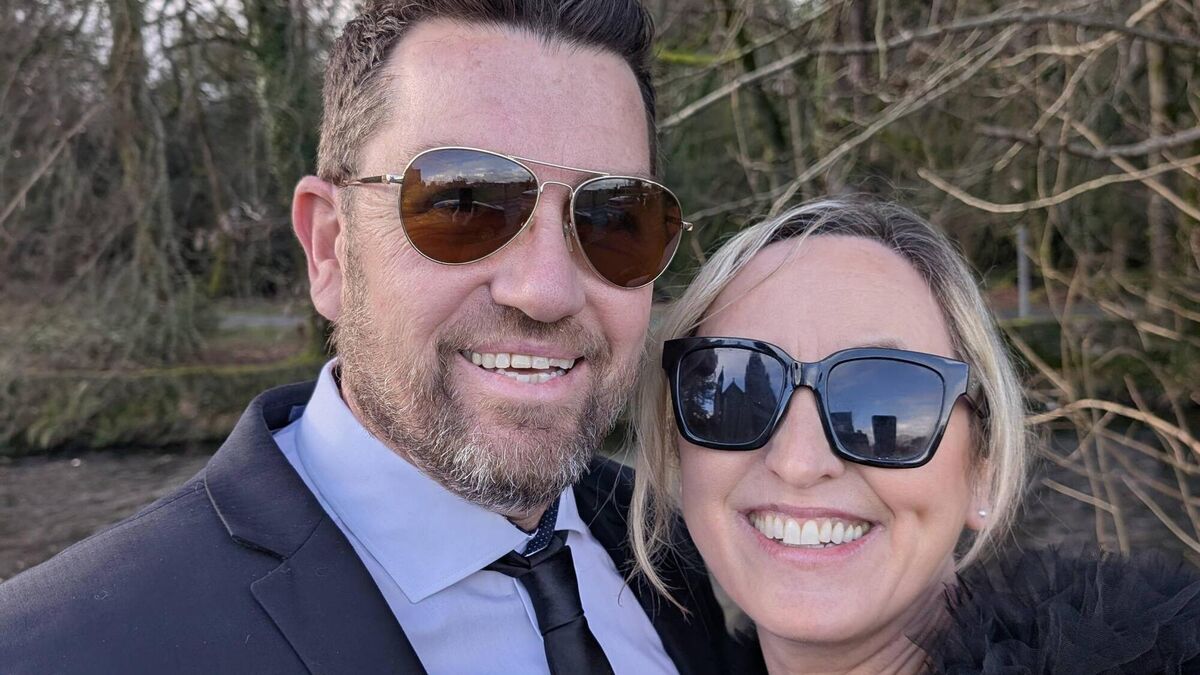
Returning to mobility was a milestone I hadn’t dared hope for at first. Six months ago, I wasn’t sure I’d make it to my friend’s black-tie wedding in Killarney. Walking unaided felt far off, and the idea of standing at a formal event seemed impossible.

Yet, there I was, hair done, wearing a glamorous outfit lent by a friend, standing on my own two feet. No crutches, no wheelchair, no carefully planned exit.

It was quiet, ordinary even, but deeply significant.

That evening reminded me that progress is often invisible to the outside world, but profoundly felt in small moments.

Reflection

Recovery has taught me lessons about patience, humility, and perspective. Life doesn’t always hand clear answers. Sometimes it hands stillness and asks you to listen. It asks you to notice what matters, to reconsider priorities, and to find purpose where you may least expect it.

Six months on, I am not fully healed. My Achilles still requires care and attention. I am still learning to move confidently, to trust my body, and to navigate the subtle mental challenges that accompany recovery.

But I am standing — physically, and purposefully. I am standing for something that matters.

Recovery has changed the way I view setbacks. Challenges are rarely linear, and healing is rarely neat.

Even in quiet, repetitive days, there is meaning to be found. Whether it’s writing to process an experience, offering advice from personal insight, or simply showing up in small ways, our actions ripple outward in ways we often cannot anticipate.

I would love to hear from anyone willing to share their story — whether it’s about injury, illness, or life’s unexpected twists.

Your experience could inspire others, help them feel less alone, and remind us all that recovery and resilience come in many forms.

More in this section

Emer O'Callaghan: Don’t put your neck on the line Emer O'Callaghan: Don’t put your neck on the line
Applications officially open for Network West Cork Businesswoman of the Year awards Applications officially open for Network West Cork Businesswoman of the Year awards
Cork physiotherapist: ‘The resilience of the body continues to amaze me after 30 years’ Cork physiotherapist: ‘The resilience of the body continues to amaze me after 30 years’

Sponsored Content

Where tech meets care: At the forefront of IVF Where tech meets care: At the forefront of IVF
10 minutes with Shannon O’Sullivan of Corlann 10 minutes with Shannon O’Sullivan of Corlann
10 minutes with Jason Cooke of Cheshire Ireland 10 minutes with Jason Cooke of Cheshire Ireland
Contact Us Cookie Policy Privacy Policy Terms and Conditions

© Examiner Echo Group Limited

Add Echolive.ie to your home screen - easy access to Cork news, views, sport and more