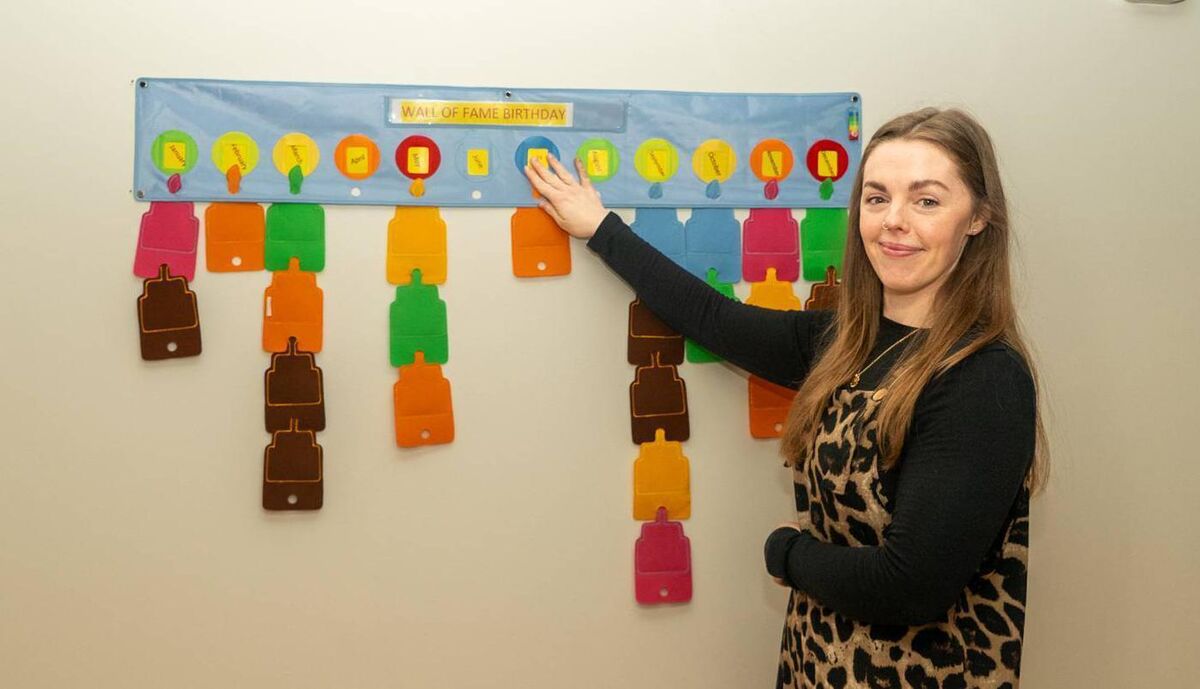
10 minutes with Shannon O’Sullivan of Corlann
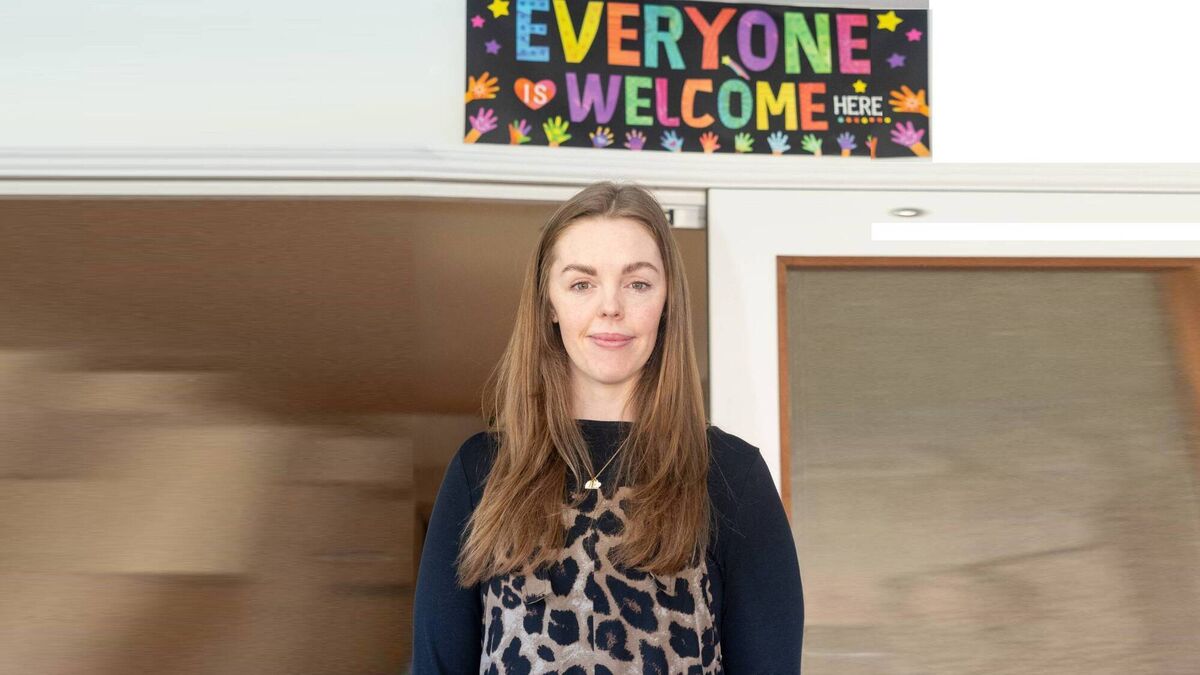
Shannon O’Sullivan, who brings great commitment to her role with Corlann, supporting people with intellectual disabilities.
Shannon O’Sullivan brings great commitment and passion to her role as a social care worker with Corlann South, the service provider that supports more than 6,400 people with a range of intellectual disabilities across Ireland.
Corlann provides residential and respite care, day services, host family placements, home-based supports and multidisciplinary services – including to people with autism – across counties Clare, Cork, Galway, Kerry, Limerick, Roscommon, Tipperary, Kilkenny, Waterford and Wexford.
I applied for a post with Corlann Children’s Respite after completing a work placement there as part of my Social Care degree in MTU (formerly CIT). I actually completed two placements within Corlann, and fell in love with supporting people with additional needs with both experiences having a profound impact on me.
I found a true care and passion for supporting people with additional needs not just in practical day-to-day ways but in helping them reach their goals. I also found myself developing strong connections with families, and I realised how meaningful it is to support both the child and their wider support network. Advocacy is a huge part of this role and also a passion of mine.
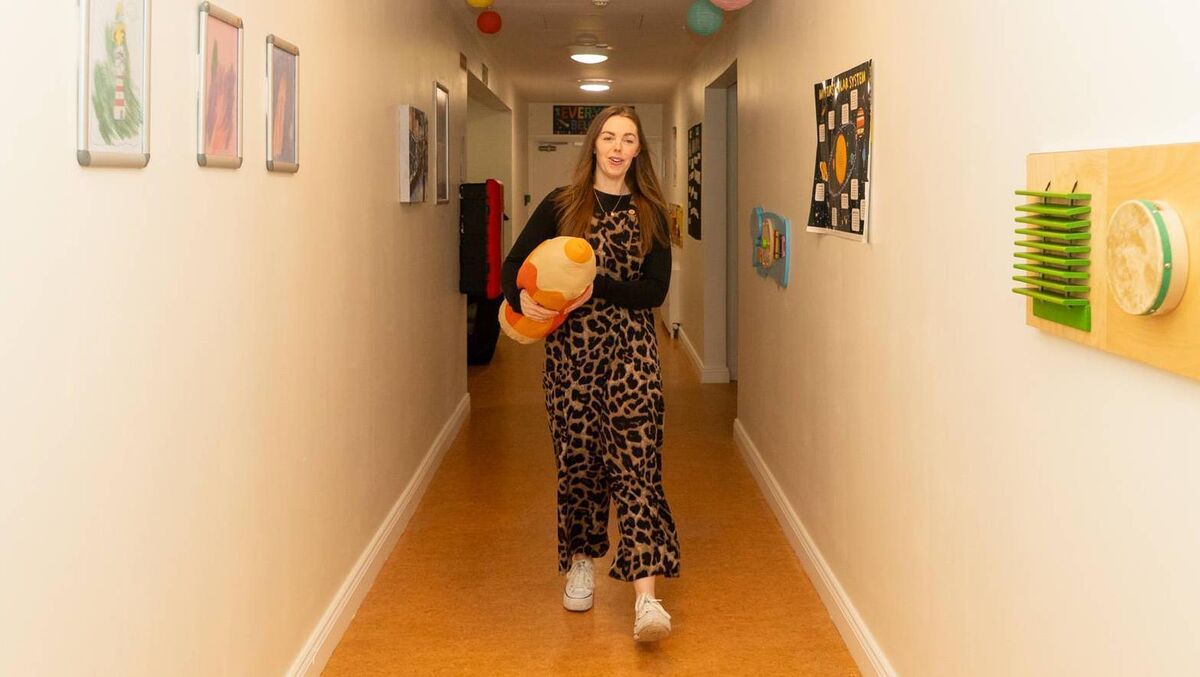
At the moment, within my role and as part of our team, we are focused on ensuring children have enjoyable, positive respite experiences while also supporting them in working toward their individual goals. These goals are created collaboratively with each child and their family at the start of the year and reviewed regularly.
The best part of the job and what I am most proud of is meeting a child and their family for the very first time, and supporting them as they begin their respite journey. For many families, respite is a big step, and being able to guide them through it — from the initial visit to seeing the child settle, grow, and thrive — is incredibly fulfilling. Over time, we build deep trust with families, and watching both the child and their parents gain confidence in the service is something I value greatly.
The best professional advice I’ve ever been given is to prioritise self care. In social care, we give a lot of ourselves, and it’s important to have strategies that help you switch off at the end of a shift. For me, that includes things like walking, reading, mindfulness, or simply taking time out in nature.

I would tell myself not to worry so much about change. Early in my career, I worked across many different sectors and settings, and I often felt nervous starting somewhere new. Looking back, each new experience helped me grow skills in adaptability, communication, and resilience. What felt daunting at the time ultimately became one of my greatest strengths. I’d reassure my younger self that embracing change will only make you more confident and capable.
To someone preparing to interview with Corlann, I would say that knowledge is power. Learn about the service you’re applying to, the people supported and Corlann’s overall vision and values. I’d also recommend volunteering if possible, as it’s a great way to get a feel for the different sectors within the organisation.
Some of the key skills you need for a social care role would include flexibility, adaptability, and strong interpersonal skills. Advocacy is also a major part of the job, so being able to speak up respectfully and confidently on behalf of the children is vital. Creativity and enthusiasm — especially when planning meaningful activities or finding new ways to engage a child — are also important, as is a passion to learn and continue with professional development.
The best career lesson I have learned so far is to keep upskilling and prioritise your professional development. The best career lesson for me has been the value of ongoing upskilling. Social care is constantly evolving; therefore; prioritising your professional development ensures you’re always providing the best possible support.
On LinkedIn, I would recommend following our Corlann’s page; the insights and updates on the people we support across the region are always valuable. I also enjoy the content of Blindboy, who uses his platform to advocate for neurodiversity and speaks openly about receiving his own diagnosis in adulthood.
A book I would highly recommend is Temple Grandin’s “Thinking in Pictures”. It offers a remarkable insight into autism through the lens of lived experience and helps readers understand different ways of thinking and processing the world. For anyone working in social care — especially with children and young people — it’s a powerful resource.
https://corlann.ie/join-our-team/