Branded a traitor in 1921, my grandfather fled his Cork family and home forever... but he WAS innocent
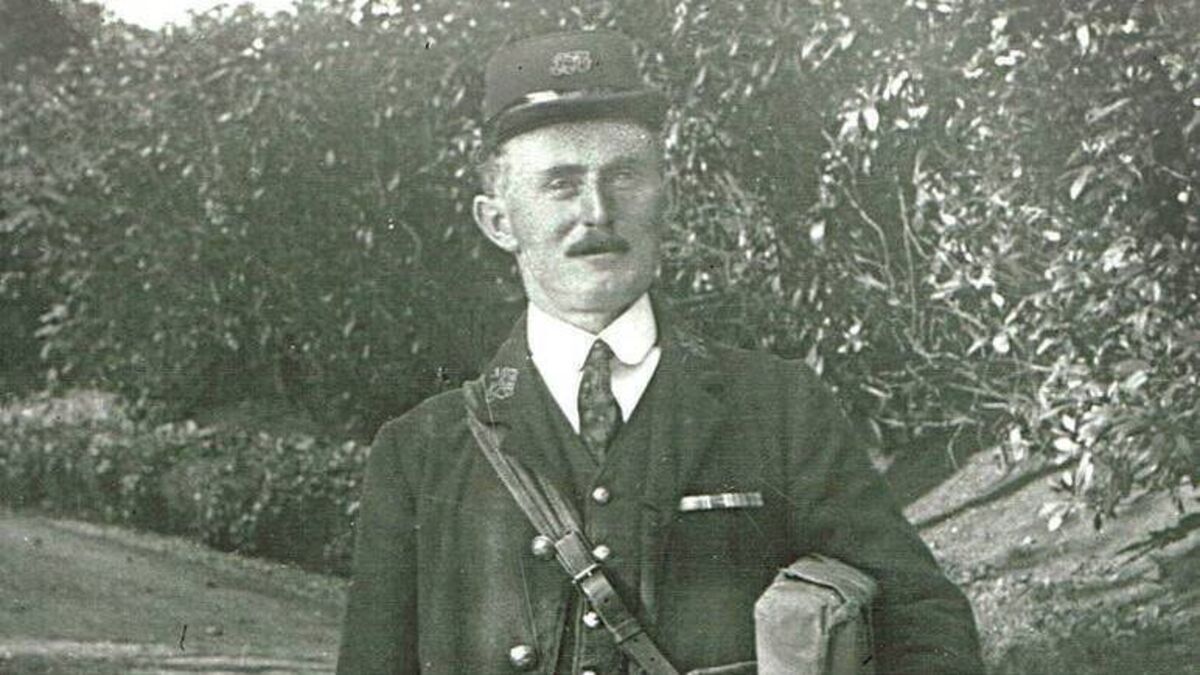
NEW LIFE: James Collins, aka Jeremiah Scully, on his rounds as a postman in Alderley Edge, Cheshire. He had fled his job as postman in Rosscarbery and changed his name to James Collins because he feared for his life during the War of Independence
IN the annals of the War of Independence, special hostility is reserved for traitors who betrayed the Irish cause.
They were darkly suspicious times, but naturally, as Jeremiah’s descendants, we believe he was an innocent party.
As an ironic footnote to the saga, the resident who had threatened to report Jeremiah’s lateness on his round to the Post Office never did lodge a complaint.
****** Six weeks after fleeing Cork, Jeremiah Scully secured work as a postman in Alderley Edge, on March 24, 1921. By then, he had already travelled to Liverpool and changed his name to James Collins by Deed Poll.
By all accounts, he was a very social and presentable man - as one might expect from a former tailor - with excellent manners; as one local remarked to my dad some years ago, “a real gentleman”.
James lodged in the village for a while, and met my grandmother, Mary Jane Doherty, possibly while on his rounds.
Both were Catholic from Irish families. Mary Jane was born in Enniskillen and moved to England when her family opted to get away from the Troubles, specifically the Black and Tans. They married in 1924 and moved into a local cottage. A daughter, Kathleen, was born in 1925 followed in 1931 by my father Michael.
Happily, James did have some contact with his five children in Cork in those years. Some of the older ones visited, but it was all kept very low key and secretive.
All five ended up leaving Rosscarbery and moving to the north-west of England.
Sadly, ill health forced James to retire early from the Post Office in August, 1938, leaving him with a reduced pension supplemented by an even smaller war pension. He died five months later, aged 59, on January 4, 1939. The children from his first marriage attended the funeral.
Kathleen was 15 and Michael just nine when they were orphaned, and they lived with their grandparents, the Dohertys. Kathleen had already started work, but his grandmother had set her sights on the priesthood for Michael. He left home as soon as possible, but the priest was a frequent visitor, begging him to return home, but it was not to be.
Michael married a local girl, Ruth Holland, and they had three children, including me.
******
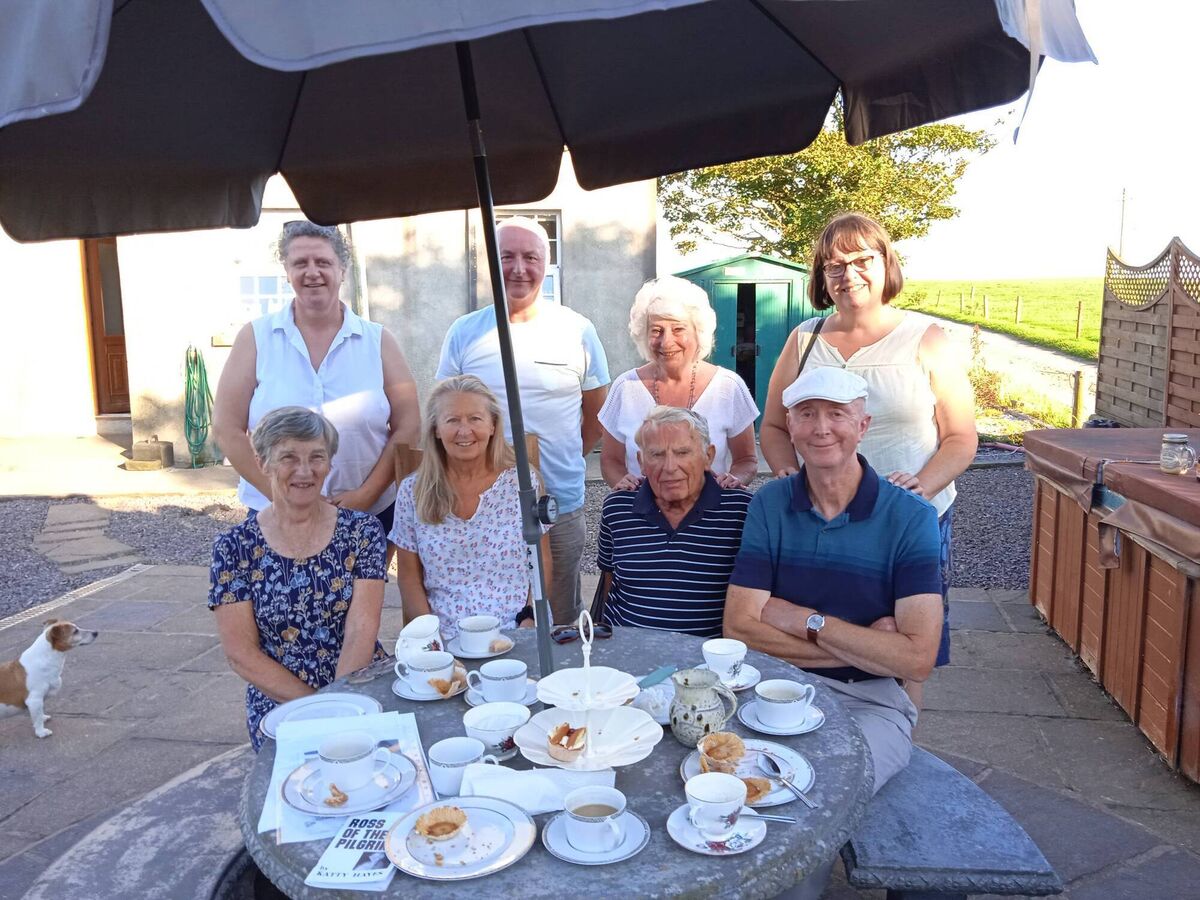
My father Michael Collins is now a very spritely 92-year-old and keen to visit Rosscarbery whenever he can. In August last year, we paid a visit to tie in with the centenary of the death of patriot Michael Collins - my father’s namesake.
With the discovery that we had many cousins descended from Jeremiah Scully’s first marriage, including Bridie, we arranged a reunion with Jeremiah’s grandson Mike Kirwan and his family. They were also over on holiday, and we all had our photo taken at the place where Collins was shot dead at Béal na Bláth.
My cousin Bridie had by chance previously met up with the owner of Burgatia House, Catherine Maguire, who was delighted to hear our story. We met her, joined by local schoolteacher Norma Maguire, who was able to provide more important facts surrounding the story and a tour of the location so central to my grandfather’s life story.
From this unique perspective, we were able to get a much clearer picture of the events that took place in February, 1921.
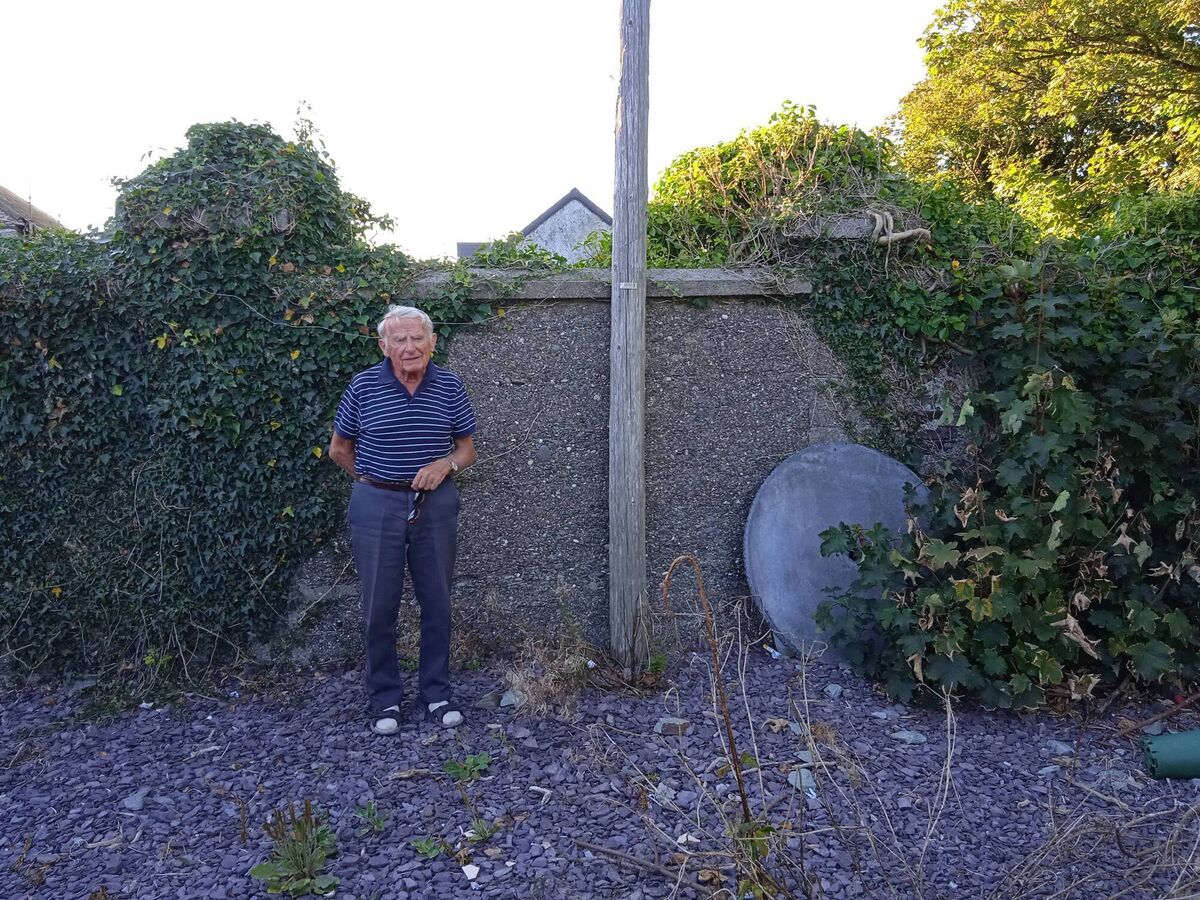
Although the old house was burnt down on the night of the Battle of Burgatia ,the historical outbuildings that Tom Barry’s men had used were still standing, as indeed is the original courtyard entrance which my grandfather would have walked through on that February day in 1921.
****** A few weeks after the aborted attack on Rosscarbery Barracks, Tom Barry enjoyed his finest hour.
In the Battle of Crossbarry on March 19, 1921, his 103 men defeated 1,200 British soldiers under Major Percival. Buoyed by this success, he moved his men west and decided to try again to capture Rosscarbery RIC Barracks.
This time, on March 30, 1921, he was successful, in an attack that marked the first time the IRA successfully exploded a mine. The removal of this fortress meant the countryside from Clonakilty to Skibbereen was now free of enemy forces.
The author would like to thank her cousin Bridie Goggin for her invaluable help in putting together this story.