John Arnold: 100 years after his death, Cork will remember Sam Maguire
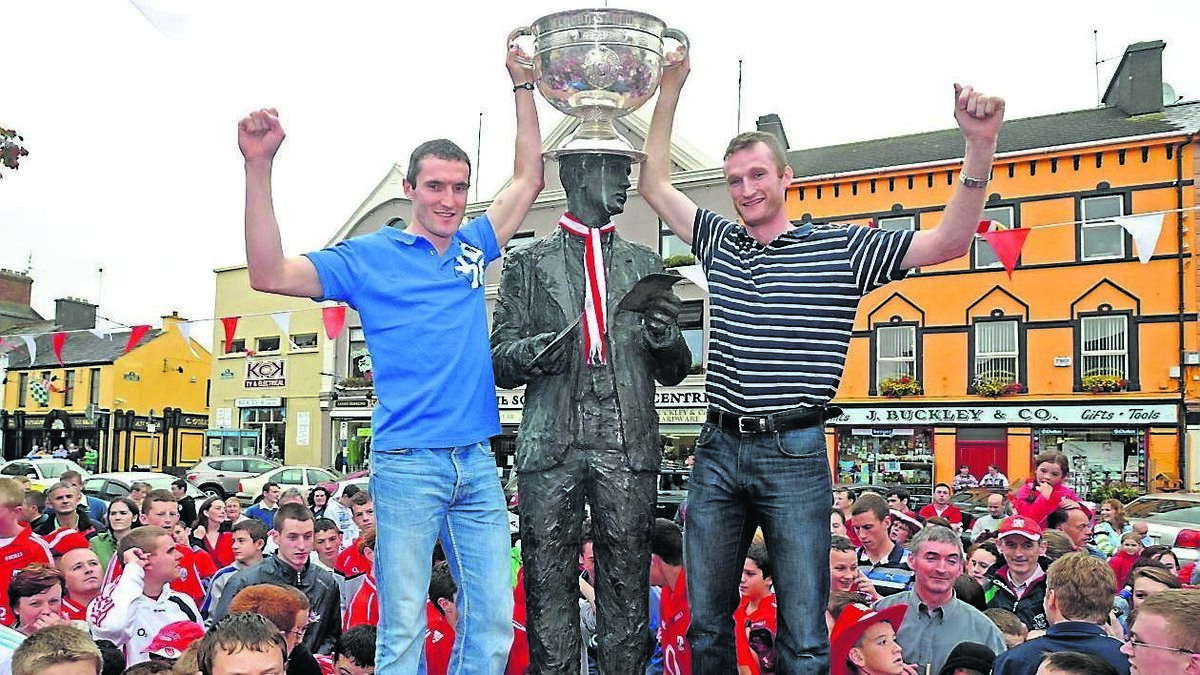
Despite ‘discouragement’ from Church and State, ‘Old’ IRA men - most of them Catholics, friends, and neighbours - turned up for a funeral in the local Protestant Church, St Mary’s.
Two days earlier, Sam Maguire had died in his family home at Maulabracka just outside the town. A month short of his 49th birthday, Sam had suffered with TB for a number of years - his brother William was present when he died.
Sam Maguire was buried with no pomp or ceremony, no graveside oration or other such honours. In one way, it might have been fitting - for he was never one to seek the limelight or court publicity.
It was sad, nevertheless, that a man who played a huge role in the struggle for Irish freedom should die in abject poverty.
Just last week, I stood in silence near the Celtic cross that stands at the head of his grave - the original monument was knocked over in a storm but quickly replaced.
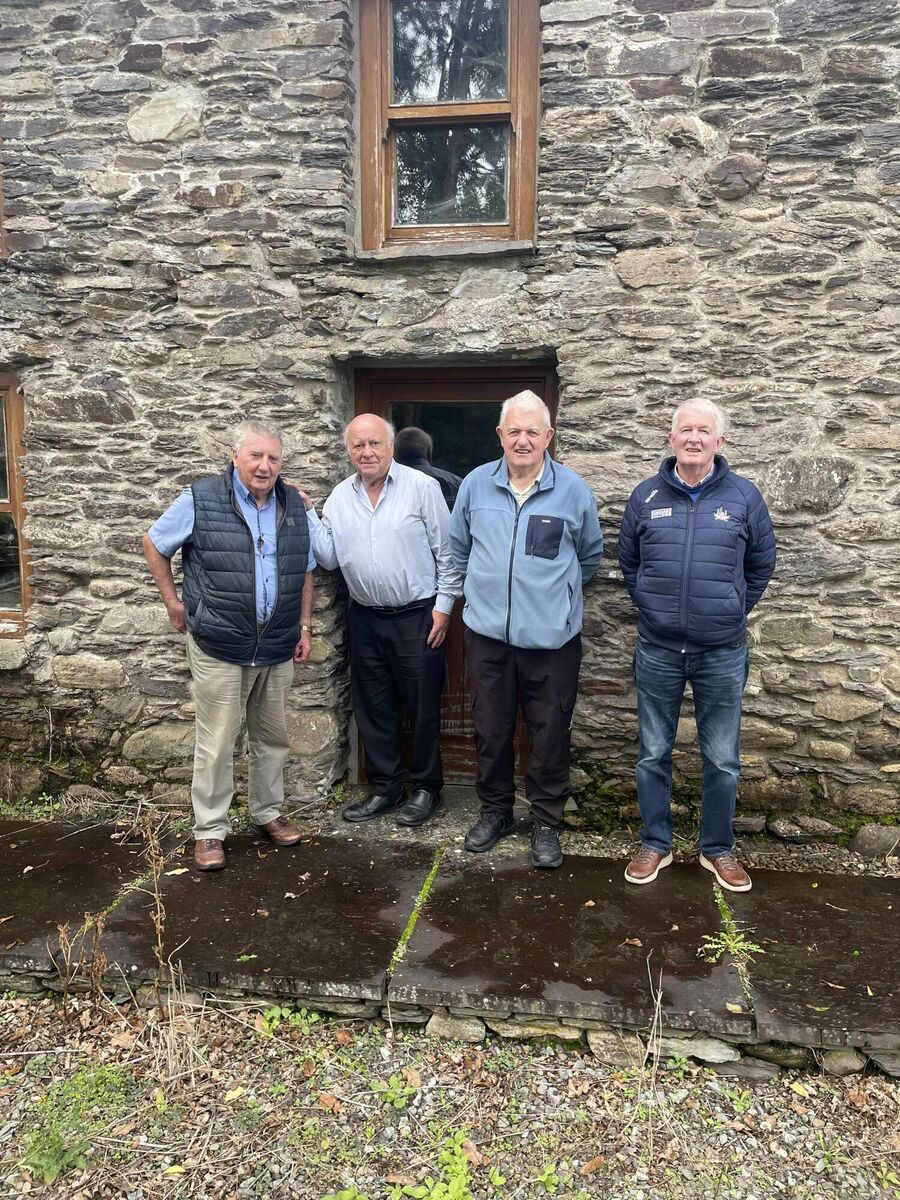
After a prayer for a man I admit I knew precious little about until recently, I travelled with members of the local Doheny’s GAA club and Cian Murphy, GAA Director of Communications, to Maulabracka.
The Maguires were here since the late 1700s at least. In 1868, John married Jane Kingston in Drimoleague. Sam, born in 1877, was the sixth of the couple’s seven children.
Mary (Mollie) Maguire was Sam’s eldest sister. Born in 1889, she lived on in the old family homestead after Sam and Willie’s deaths. She moved from Maulabracka in the ’50s into Dunmanway town and died in the local hospital in October, 1962.
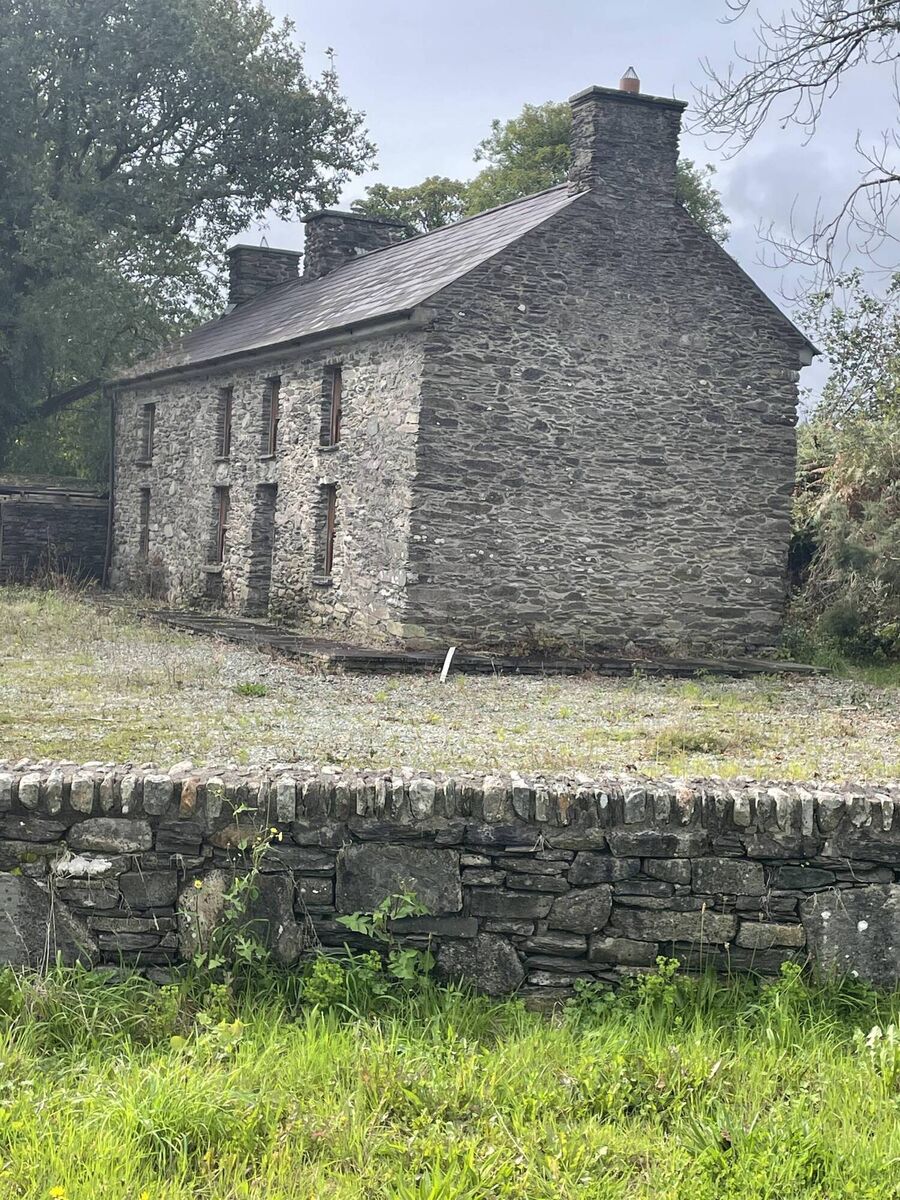
The Irish Land Commission took over the farm and it was divided amongst locals. The house was then abandoned, and became derelict and roofless in the 1970s.
Thankfully, the Maguire homestead has been reroofed and restored, though it’s not currently being lived in.
During the Land War era of the 1880s, John Maguire supported his neighbours as they fought to get the ‘Three F’s’ - Fair Rent, Fixity of Tenure and Freedom of Sale.
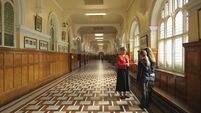
Young Sam initially attended the Model School in the town, a beautiful building, where school is still taught - it was founded in 1849. The Maguire parents decided to send their son to the famous ‘Ollscoil an Tsleibh’ in Ardfield, where Master Madden prepared pupils for the Post Office and Civil Service Examinations.
Before he was 20, young Maguire was working in the ‘big smoke ‘ of London. Employed at Mount Pleasant Post Office in the Clerkenwell district, the Dunmanway man soon became imbued in all things Irish in the British capital.
He joined the Hibernians GAA Club and played both hurling and Football with the London team. Sam played in the 1900, 1901 and 1903 All Ireland Football Finals but lost all three - he may also have played in the 1902 decider.
He also joined the Irish Republican Brotherhood (IRB) - many think Liam MacCarthy was probably the man who got him to join.
Soon, Sam, like many fellow Irish exiles, believed that physical force was going to be the only method of achieving Irish freedom.
In November, 1909, at a meeting in Barnsbury Hall, Islington, Sam Maguire was the person who initiated his West Cork neighbour Michael Collins into the IRB. The pair became very close and Sam became Head of Intelligence in London for the IRB. His Post Office duties meant he was able to intercept vital information en route from London to Dublin Castle.
Rather than write messages, he often simply brought important information across the Irish Sea on the Mail Boat to Dublin - returning the following morning.
After the IRA ordered the killing of Sir Henry Wilson in London in June, 1922, there seemed to be some suspicion turned towards Maguire.
After the Treaty, he returned to Dublin and in January, 1923, Sam got a senior position in the Department of Post and Telegraphs. Meanwhile, his pension from the British Post Office was cancelled.
During 1924, the infamous Irish Fee State Army mutiny nearly came to pass. A group styling itself the Irish Republican Army Organisation was formed within the ranks of the army. Sam Maguire was accused of siding with it, and before Christmas, 1924, he was sacked from his post.
I have read accounts of the acrimonious Dáil debate on his dismissal in May of 1926. Maguire pleaded his case but to no avail. He got a pitiful lump sum of just £100.
By now, he was in poor health and in dire financial circumstances. He returned home to Dunmanway broken in body and spirit. He died in the house where he had been born -on Sunday February 6, 1927.
That July, a meeting of ‘the friends and comrades of the late Sam Maguire’ was held in Dublin. A Provisional Committee was selected from those present representing Belfast, Cork, Portadown, Tipperary, Clare, Limerick, London, Waterford, Dublin, Roscommon, Leitrim, Kerry, Wexford, Derry, Mayo and Kilkenny.
Mr Patrick Belton, acting chairman, stated “that for 28 years he knew of Sam Maguire’s services to the one cause he had a heart - Ireland a Nation, Ireland one and indivisible, with no border separating Antrim from Cork, an Ireland for Irishmen to live for”.
Fund-raising for “the purpose of starting a fund to commemorate his memory” quickly commenced.
In 1928, the Sam Maguire Cup for the All-Ireland Senior Football Champions was presented to the GAA.
Over the next two years, the man and the cup will be remembered and properly honoured.
The celebrations will commence on the first weekend of February, 2027, when it is hoped the GAA President Jarlath Burns will be in Dunmanway and bringing it all back home to Maulabracka.
No trace of vice entwined your soul
Because your aim was pure
Your name is on the deathless role
That gold could never lure
While Ireland lives we’ll tell the tale
Unmixed with falsehood’s mire
The cross you bore for Innisfail
God rest you Sam Maguire.



 App?
App?


