Priests seek consultation as Cloyne diocese could merge with Cork & Ross
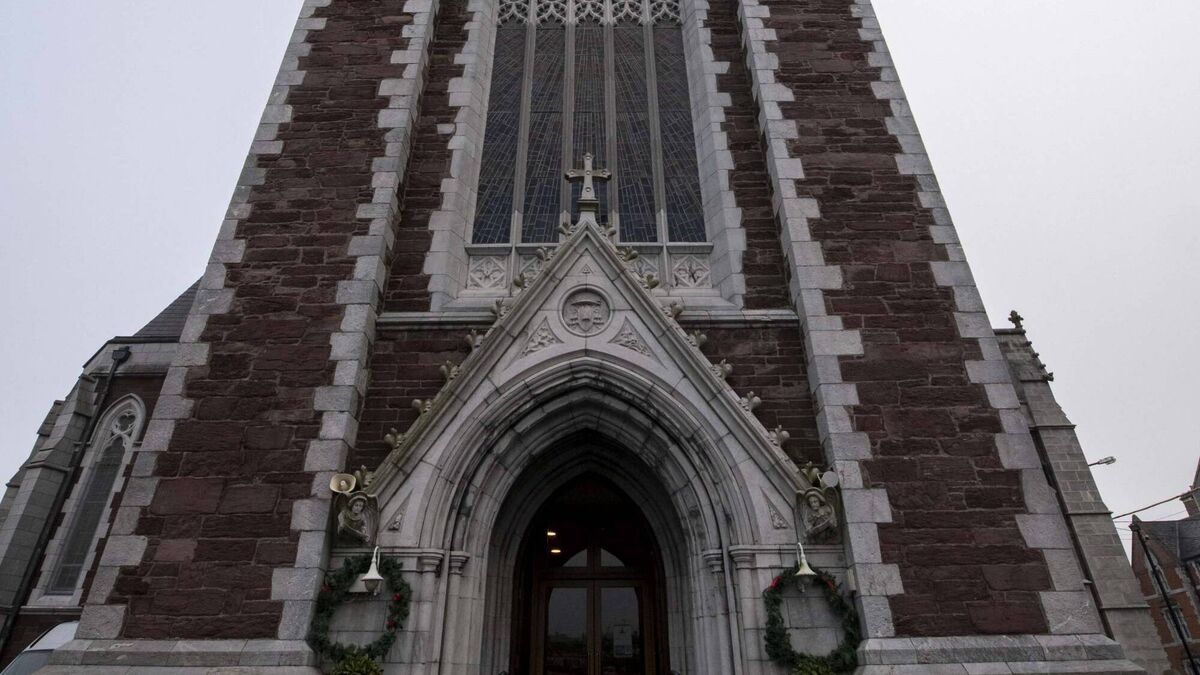
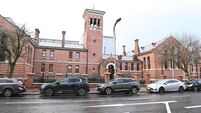
The Cathedral of St Mary and St Anne (North Cathedral) – in the diocese of Cork and Ross. Picture: Brian Lougheed.
Catholic priests in Cloyne have called for “a conversation” with the Church hierarchy as their diocese looks set to merge with another, under a single bishop.
It is understood that any merger could take years to complete, with the dioceses initially continuing as separate administrations under one bishop, before eventually becoming one.
It is thought that the most likely merger would be between Cloyne and the neighbouring Cork and Ross, ultimately creating a new diocese with a combined Catholic population of about 375,000.
Last month, a consultation document was put forward by the seven bishops in Munster and circulated privately among clergy before it was published on the Association of Catholic Priests (ACP) website.
The document presented four merger options involving Cloyne, amalgamating the diocese with Cork and Ross, Waterford and Lismore, Kerry, or Limerick.
Lending weight to the likelihood of Cloyne being merged with another diocese is the fact that its current bishop, William Crean, will reach the Church's mandatory retirement age of 75 in December.
Cloyne covers much of the northern half of the county and has a Catholic population of more than 150,000.
Many of the diocese’s clergy would favour an amalgamation with Cork and Ross, which covers most of the southern half of the county, and has a Catholic population of approximately 224,000.
The bishops’ document said: “Everyone in every parish is encouraged to make their voice heard when opportunities for consultation are announced locally by their diocesan bishop."
Fr Tim Hazelwood, parish priest of Killeagh and spokesperson for ACP, said the hierarchy needed to talk to the clergy and laity about the future of the Church.
“All of the bishops in Munster need to have a conversation with their priests, and the priests with the people,” he said.
“That’s the way at parish level, at diocesan level, so let the people have their say, those for the mergers, those against them, something will have to be worked out.”
Dr Mary Pedder-Daly, musical director of the Killeagh church choir, said the amalgamation of church territories was inevitable, given the decline in vocations and the ageing profile of the clergy.
“This was always going to have to happen, but the way in which it has leaked out is very disheartening,” she said.
“Dialogue is vital, and we need to see dialogue between the people and the clergy, and the clergy and the hierarchy.”
Dr Pedder-Daly added that, in her opinion, the falling numbers of clergy was a symptom of “the exclusion of half the population” and “the relegation of women from positions of authority in the Church”.
“I am all in favour of the ordination of women priests, optional celibacy, and married clergy,” she said.
“If the hierarchy has any sense, they will see that there is a great opportunity here for renewal, growth, honesty, and courage.” The proposed diocesan mergers are part of the Catholic Church’s ongoing efforts to address the continuing drop in numbers of priests in Ireland.
Parishes across the country have been merged in recent years, and in February 2025, the then cardinal Robert Prevost – now Pope Leo XIV – met with the four Irish archbishops to discuss reconfiguring dioceses.
Last year the diocese of Achonry merged with Elphin under Bishop Kevin Doran. This year has seen Killala merge with Tuam under Archbishop Francis Duffy, and Ossory merge with Ferns under Bishop Ger Nash.




 App?


