Cork Views: We must prioritise homeless children in State
Thousands of youngsters are experiencing homelessness, and we must strive to make their voices heard, says Dr Sharon Lambert, Senior Lecturer, School of Applied Psychology, UCC
Cork Views: We must prioritise homeless children in State

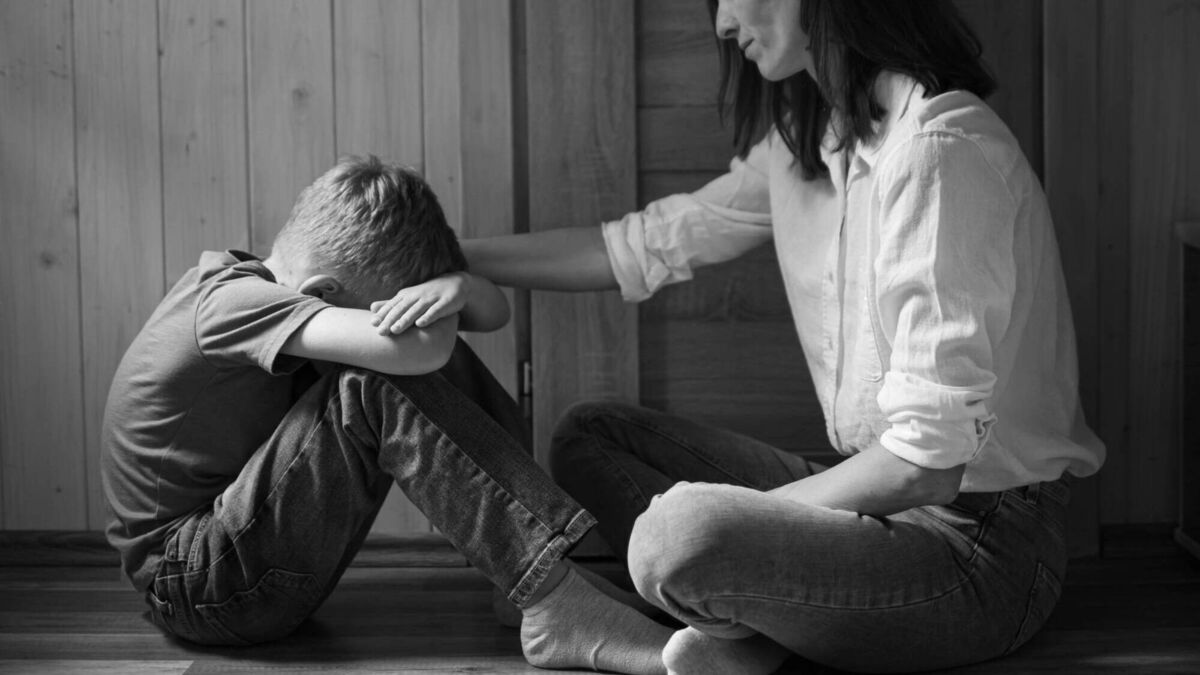
“No child should be experiencing homelessness, deprivation and food insecurity.” iStock

Today, there are parents distressed at the thought of how they will tell their child they are losing their home.

How do you explain to your little one that they will have to leave their bedroom, leave their friends and school, and leave their belongings?

Last month, 5,659 children were experiencing homelessness; 5,659 children know what that feels like.

According to the latest Daft.ie rental reports, there were fewer than 1,800 homes available to rent nationwide in early 2026, the lowest level recorded in the series going back to 2006.

Meanwhile, it is stated that there are tens of thousands of properties advertised on Airbnb, Dublin alone had around 6,880 such listings.

Ireland has approximately 20,000 derelict residential properties and over 82,000 vacant homes, giving a combined total of more than 100,000 vacant or derelict residential properties nationwide. A recent report revealed €90,000 is now the income level required to buy an average priced house in Cork.

Housing is viewed as a commodity, rather than a home, and every child needs to have a safe and secure home as a necessity to facilitate them to achieve their potential.

For these families, long-term thinking is a luxury. They cannot promise that things will only be like this for a night. Or promise that by Christmas they will have a home of their own again.

For some families, homelessness is their reality for months. For many others, it is for years. This takes a toll on the well-being of parents and children.

Yet everyday parents do their best to preserve hope for their children and for themselves. Families and communities are going to extraordinary lengths to protect children and young people from what is a horrendous social and emotional rupture in their young lives.

Humans have the capacity to deal with a certain amount of stress, but we need to confront the question of what we are asking our children and young people to cope with.

The Government’s failure to address intergenerational exclusion and poverty and the spiralling crises in housing and health is asking too much from those much too young.

I talk about poverty as a trauma because of the consequences of poverty, the toll it takes on physical and mental health. Trauma is sometimes viewed through a narrow lens, where we think about big one-off catastrophic events; however, others argue that psychological trauma is also caused by the constant activation of the stress response system and the impact this has on health and functioning.

It is not simply a lack of money. Persistent financial hardship can expose people to ongoing stress, stigma, food insecurity, housing instability, and reduced access to healthcare and education.

In addition, people who are dealing with other challenges are over-represented within those who are exposed to financial hardship, such as people parenting alone, households with disabled persons, and people who are culturally and ethnically diverse.

For children spending their childhoods living in emergency accommodation, sometimes pulled away from their school and community supports, they are missing out on many experiences that build skills and enhance development.

Because of that, ensuring children and families have enough protective barriers around them to buffer the experience is absolutely essential.

All children deserve the opportunity to reach their potential. Making sure they can access trauma sensitive educational settings, and physical and mental health professionals when they need them. Ensuring that parents are supported financially, emotionally and socially. Challenging stigma, classism and discrimination that compounds people’s experiences of financial and housing stressors.

And ensuring that we rapidly increase the availability of social and affordable homes by critically engaging with the policies that have prioritised investors over the people, and the role this is playing in the ruptures in social cohesion.

I have seen first-hand the difference these interventions can make in mitigating the impact on children. Working in the area of trauma-informed practice and policy, I also can see the real-life consequences of decisions and choices being made around political tables, the long-term individual and societal costs of failing to treat homelessness as an emergency.

Last week, I took part in the Children’s Rights Alliance’s End Child Poverty Week. In a very busy news cycle where there is reporting on multiple crises, this allowed me to pause to reflect on child poverty in Ireland.

The age cohort with the highest rates of the poverty across the entire country, is children. We have more than 95,000 children living in consistent poverty - we know that this is something we cannot morally accept.

We cannot let homelessness, deprivation and food insecurity become normalised.

No child should be experiencing any of this. But at the very least, we need to prioritise supports for those that do. Failing to do so may lock children into a cycle of poverty and inequality that puts their nervous system under constant stress/duress, increasing risk of ill-health and other social challenges.

We cannot continue to let children exist in crisis situations before our political leaders treat this with the urgency it requires.

More in this section

Female nurse touching senior man's hand on railing ISCP Chief: Physiotherapy must be central to stroke care
Trevor Laffan: From phone booths to calls to our grandson, aged 12, in Oz Trevor Laffan: From phone booths to calls to our grandson, aged 12, in Oz
Man filling oil tank with domestic heating kerosene. England, UK John Dolan: My home heating oil bill is huge, thanks to Trump... and Harris

Sponsored Content

Big Beach Clean 2026: Final call to join 7,000 Clean Coasts volunteers  Big Beach Clean 2026: Final call to join 7,000 Clean Coasts volunteers 
CS Skoda September 2026 In every hidden detail, Tapestry for Ireland captures who we are
When it comes to supporting education for children with special needs, every little helps a lot When it comes to supporting education for children with special needs, every little helps a lot
Contact Us Cookie Policy Privacy Policy Terms and Conditions

© Examiner Echo Group Limited

Add Echolive.ie to your home screen - easy access to Cork news, views, sport and more