Kathriona Devereux: One answer to climate crisis...cut school summer holidays
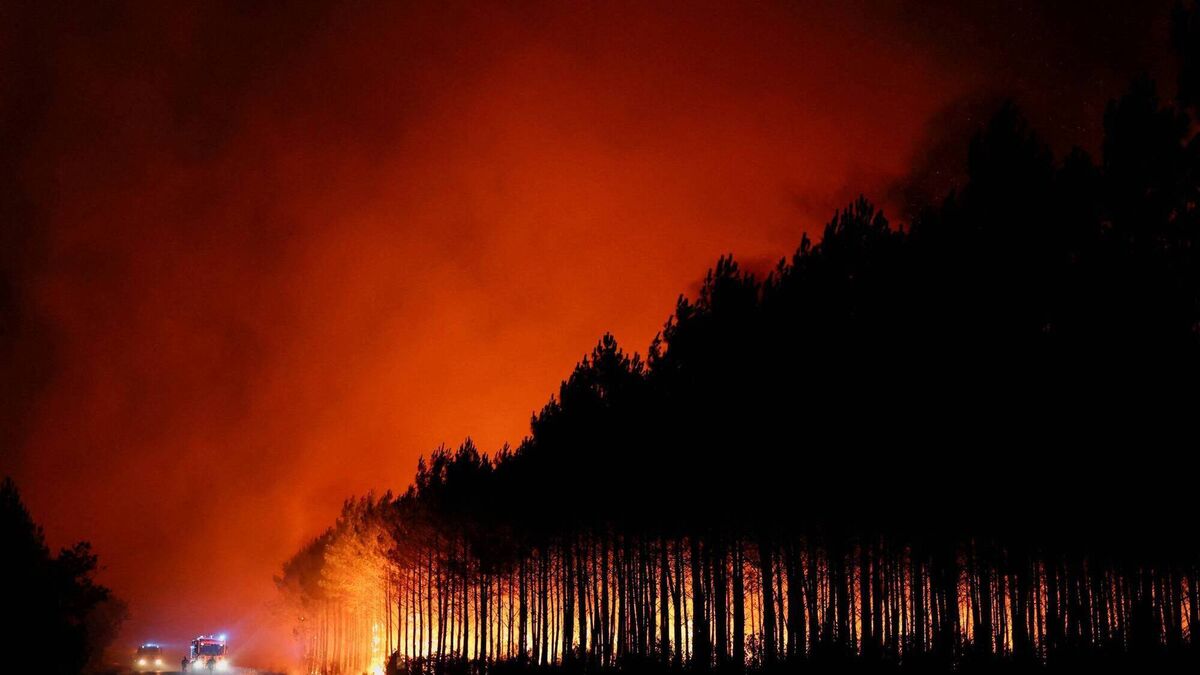
A wildfire burns in a forest area in France. Many Irish people’s holidays on the continent have been affected by heatwaves and such forest fires, and Kathriona Devereux wonders if we need to learn lessons from this summer’s climate crises
Tales of caring for tigers and cheetahs made the job sound exotic and exciting - except for the fact that temperatures regularly hit 40C degrees.
The brutal realities of living in desert heat were clear. Scorching steering wheels, moving from one air conditioned location to the next, measuring time outside in minutes not hours. It was a survival exercise.
I, a person who wilts when temperatures go over 25C, found the idea of 40C degree desert heat unimaginable.
Now, the thermometer in Al Ain can regularly hit 45-50C, but the temperatures that I balked at ten years ago as scary desert heat aren’t exotic anymore. They are happening in mainland Europe - 5,000 kilometres from a desert.
Now, instead of texting my Al Ain pal, I’m WhatsApping friends and family living in Bordeaux, Madrid, and Amsterdam - checking to see how they are coping in the face of extreme heat.
Last week, a friend in Madrid reported that air quality is extremely poor and embers and ash are falling on his car. He has stayed indoors for days with his young daughters. The wildfires that have triggered a national emergency are 40km away.
On hearing of a major fire near a friend’s French holiday destination, I texted to check her family were OK. They had a lovely holiday but did witness the fires on a day trip, were aware of the risk of possible evacuation, and had grab bags at the ready if needed. Thankfully, they got home unscathed but it’s not exactly rejuvenating is it?
Europe has baked since May. The Continent can’t endure desert temperatures without severe consequences, and the images of the raging wildfires in Spain and France on our television screens is yet another grave wake-up call of what climate catastrophe looks like.
The area burnt in France this year is roughly the size of County Dublin and the summer is far from over.
Is this the beginning of the end of summer holidays abroad?
We’re trying to escape from the shocking state of the world, but checking fire forecasts instead of restaurant recommendations and evacuation notices between holiday novels is not relaxing.
It’s impossible to be in holiday mode while there is a foreboding sense of doom about the extreme temperatures and what they mean immediately, and into the future.
And, of course, there is the uncomfortable truth that the act of leaving the island and flying to a holiday destination emits the carbon that’s overheating the place we’re going to. That is creating the extreme heat we’re complaining and worrying about.
Yet we continue to book the flights and plan the holidays and continue with living like nothing major is happening.
In reality, the whole planet needs to do a staycation, but until holidaying at home en masse becomes mainstream, perhaps we could look at why everyone is travelling in the hottest window of the year in the first place?
A redistribution of school holidays could also take the pressure off working parents and help level inequality - not every child gets the opportunity to enjoy enriching foreign travel or stimulating summer camps.
Others argue that students and teachers need long breaks to recharge, and families and sibling relationships benefit from the downtime of summer.
Come June, kids, and teachers, are withered from the academic year, yet there are consistent complaints that the summer holidays stretch interminably, and trying to keep a 13-year-old occupied for three months of the year while holding down a full-time job is impossible.
Many families book back-to-back weeks of summer camps to help bridge the uncrackable conundrum of eight weeks of primary school holidays divided by two weeks annual leave. Smallies roll from Cúl camp to soccer camp to computer camp - and that’s the families who can afford the hefty price tag of enrolling in multiple camps.
In recent years, some parts of Belgium and Spain have shortened their summer holiday and redistributed the days across the school year.
Will we learn anything about adapting to our changing climate from the summer of ’26?
For visitors, a ruined holiday is still just that - a holiday, with an end date. For the people who live in devastated regions, there’s no flight home to book.
Us Irish have the luxury of returning to cooler climes - the poor residents in France and Spain who have lost everything in wildfires have to rebuild in the same climate that just tried to burn them out.
While Irish tourists might get an inconvenienced fortnight, our fellow Europeans live with the dread of the same thing next summer.




 App?
App?


