Kathriona Devereux: Phew, it’s scorching... and air cons will only heat planet more
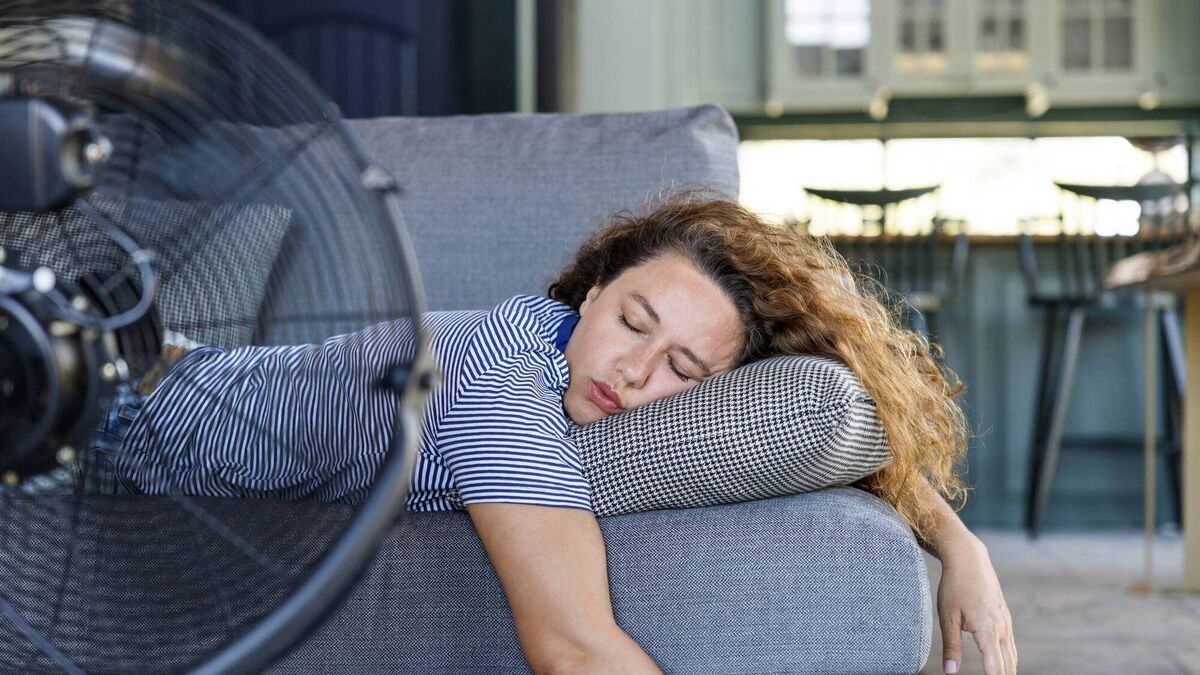
I find it very difficult to sleep when the nights are tropical. Our 1930s concrete block house is perfectly designed to absorb the heat of the sun and radiate it into bedrooms at night. Hence my pre-dawn wanderings in search of a cooling breeze.
I’ve been sleeping on the couch a lot lately and have the crick in my neck to prove it.
But you’re not really allowed to complain that it is too hot. Any mention that I’d “love a drop of rain” or a cloudy day where the thermometer dips below 20C is scoffed at.
Yes, it’s nice to enjoy sunshine and warmth when the only decisions you have to make are whether to eat a 99 ice cream before or after a refreshing sea swim (always after!).
But I find it increasingly difficult to function when temperatures climb towards 30C.
Brain fog, crankiness, and indecision are all symptoms of my body under heat stress. Work and productivity are down the priority list. The most important thing my body wants is to cool down.
This column is coming to you thanks to a 9pm dunk in my kids’ paddling pool to revive my body, activate my temporal lobe and enabling me to bash out an opinion piece.
I’m fighting off midges in the garden to get work done in the evening when I can actually process a coherent thought. If I feel like this working in an un-airconditioned office in Cork, what does a construction worker in Madrid feel like?
We’ve all read the headlines about heatwave deaths across Europe this summer. The warmest June on record saw Western Europe toggle between orange and red alerts.
Wildfires evacuated thousands. Parisian parks are staying open all night to allow people access to cool places outside their overheated apartments.
On holidays in France recently during the latest heat dome, we forfeited a three-night stay in Bordeaux to dodge the forecasted 37C degree heat (“feels like 40C”, the weather app warned).
To avoid the feeling of being slowly cooked, we sucked up the extra cost and stayed put at the coast where it was 10 degrees cooler and, crucially, where we had air con.
Even still, we experienced one day of 33C-plus. It felt like walking in close proximity to a wood-fired oven all day long. The ‘breeze’ was a blast from a hairdryer.
That so many parts of France don’t have air conditioning in their homes indicates how quickly things have deteriorated.
A recent article by climate website Carbon Brief found that, until the 2020s, it was rare for many European cities to see days above 30C. In the past, apart from regions around the Mediterranean, you could survive hot summer weather with window shutters and fans.
Now, with Europe being the fastest- heating continent, air conditioning feels more like a household essential.
Americans call it AC, the French la clim - whatever you like, my 4.30am research turned up a few uncomfortable truths. Air conditioning doesn’t get rid of heat, it relocates it.
Your unit sucks the warm air out of your house and dumps it outside the building, and if enough houses are doing that in a city during an extreme heat event, you can nudge the outside temperature up by a degree or two.
Cities already run hotter than surrounding areas because of the ‘urban heat island’ effect - all that concrete and lack of greenery.
Then there’s the electricity usage. Unless that AC is running on solar panels on your roof or a genuinely green grid, you’re burning more fossil fuels to stay cool - which pumps out more of the emissions driving the heat in the first place. A depressing feedback loop.
Hotter days, more aircon, more demand, more emissions, more hotter days. However, as countries roll out more renewable electricity, particularly solar, the sunniest, hottest days are often exactly when panels are generating the most power, which can meet the increased AC demand on red alert days.
Beyond energy usage, another environmental issue is that the coolant or refrigerant inside the AC machines contain greenhouse gases themselves.
These chemicals absorb the heat and normally stay sealed inside, but they can leak out slowly through a worn seal, or escape all at once into the atmosphere if an old unit is dumped without being drained properly.
The good news is that countries signed the Kigali Amendment in 2016, agreeing to phase out the worst of these chemicals for safer ones, and future air conditioners will be more energy-efficient, sustainable, and environmentally friendly.
The fact remains, installing air conditioning to help tolerate the worst of climate change is not an environmentally neutral purchase.
So, for now, as this heatwave trots on, I’ll just continue my paddling pool cooldowns and 4.30am fretting sessions about the heat.







 App?
App?


