Cork Views: Use this fuel crisis to drive people from cars
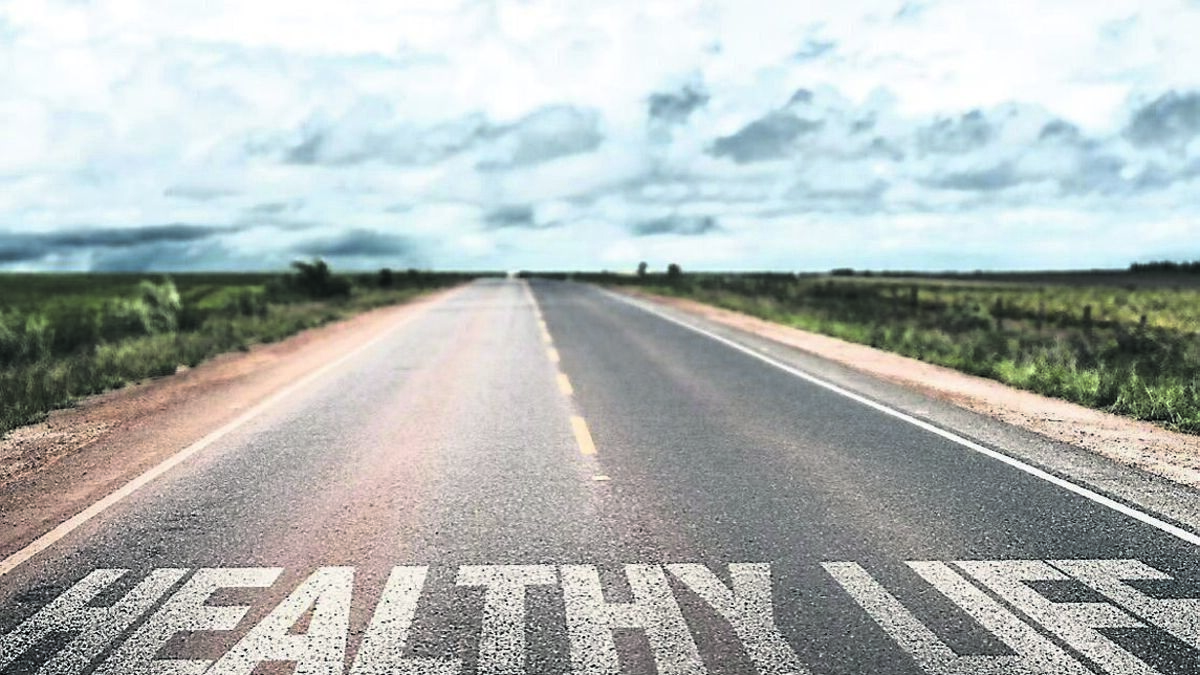
Policies that encourage people to ditch the car must be vigorously pursued, says Dr Catherine Conlon
After steep rises in petrol, diesel and home heating oil, and the uncertainty around future increases and the supply chain, fuel consumption hacks have been big news.
Yet nobody is talking about the hottest hack of all – switching out that short trip in the car by walking, riding a bike or taking public transport. They won’t replace all journeys, but it makes sense for those short trips.
The fuel crisis is an opportunity to both acknowledge and extract us from our ongoing love affair with cars. Leaving it at home would allow huge savings – in economic terms as well as providing safer, healthier and less sedentary lives.
Over half of all daily trips that are less than 2km are driven by car, and almost a third of car journeys in Ireland are less than 2km. For journeys between 2-4km, usage is even higher with two third of these trips being made by car, according to the Sustainable Energy Authority of Ireland.
At a time of fuel and cost-of-living crises, these statistics are almost laughable.
While road hauliers, farmers and contractors have no choice but to drive to do their work, people in towns and cities often do.
This addiction to car travel is aligned with low levels of physical activity and high levels of sedentarism.
Just 46% of adults and a minority of children meet national physical activity guidelines. Only 43% of children walk or cycle to school.
We know the reason for these figures - the roads are just too dangerous to cycle on, meaning more cars, leading to the roads being ever more congested and potentially lethal.
There is solid evidence that if you are hit by a car doing 30km/h, you have a much better chance of surviving than if it is doing 50km/h. In response to this, the default speed limit in built-up areas was set to be reduced to 30km/h in 2025. Incomprehensibly, that plan was scrapped.
The city of Hoboken, New Jersey, population 60,000, hasn’t had a single fatal road death since January, 2017. This hasn’t been down to just good fortune. The town followed Vison Zero – a global movement that believes traffic deaths are not inevitable.
By studying the factors that contribute to road deaths, proponents of Vision Zero believe that communities can decide to change policies, infrastructure and human behaviour to reduce the likelihood of fatalities.
Analysis of road deaths in Hoboken from 2014-2018, found 40% of the accidents causing serious injuries or death involved cyclists or pedestrians. Given that 88% of these were at junctions, they became a major focus priority.
Central to the strategy was a focus on vulnerable road users including schoolchildren and older age groups- this meant prioritising street design near schools, parks and services for the elderly.
Expanded pavement at junctions forced cars to slow down as well as narrowing the distance pedestrians needed to cross. This also allowed them to check oncoming traffic from the pavement rather than having to step into the street.
More durable paint on zebra crossings, cycle lanes and other street markings was introduced. The city also lowered its speed limit to 20m/h (30 km/h).
Public awareness campaigns also helped educate residents on the logic behind certain changes, like why a speed reduction of just 5m/h (8 km/h) translates into huge pedestrian crash survival rate improvements.
After extensive upgrades in 2022, Hoboken saw 18% fewer road injuries and 62%fewer serious injuries between 2022 and 2023.
Ireland has also embraced Vision Zero in theory with a target of zero deaths or serious injuries by 2050. In practice, we are nowhere near achieving that with road deaths rising over the last three years and measures proposed that would have had significant impacts on road deaths, subsequently ditched.
In 2024, the government commissioned an independent review that said the Road Safety Authority should be replaced with two new bodies. One would work on driver licencing and testing and the other would focus entirely on road safety. That plan was also scrapped.
Meanwhile, there is an epidemic of red light breaking in cities. Red light traffic cameras were due to be rolled out in 2025. This did not happen and is unlikely to happen in 2026.
There were 185 people killed on Irish roads in 2025. Already, this year there have been 47 deaths – 14 pedestrians and two cyclists.
What we need is a transport system that supports health as well as cost of living. This means safe, high-quality infrastructure for walking and cycling integrated with high quality public transport that is complimented by car use when needed.
The current crisis in fuel costs is an opportunity to make walking and cycling on Irish roads safer. That includes lower speed limits, segregated infrastructure and better enforcement. A reformed Road Safety Authority is needed to play a more ambitious role.
The need to prioritise public transport and active travel must be communicated in a way that will shape a cultural shift away from cars.
Effective promotion of active travel requires compelling storytelling supported by solid evidence. Behaviour change expertise is essential to convey fuel cost savings, as well as health and climate impacts of both driving and sedentary lifestyles.
Introduction of some of the road safety measures mentioned here would both save lives and reduce fuel costs to consumers in a meaningful and lasting way as they have the opportunity to cycle or walk safely for short trips in towns and cities.
The fuel crisis is a time to have a closer look at the way we travel around towns and cities.
Is it finally time to ditch the car for short trips and look after our pockets and our health by walking, cycling or taking the bus?





 App?
App?


