Stevie G: Think-ing about an iconic drum break
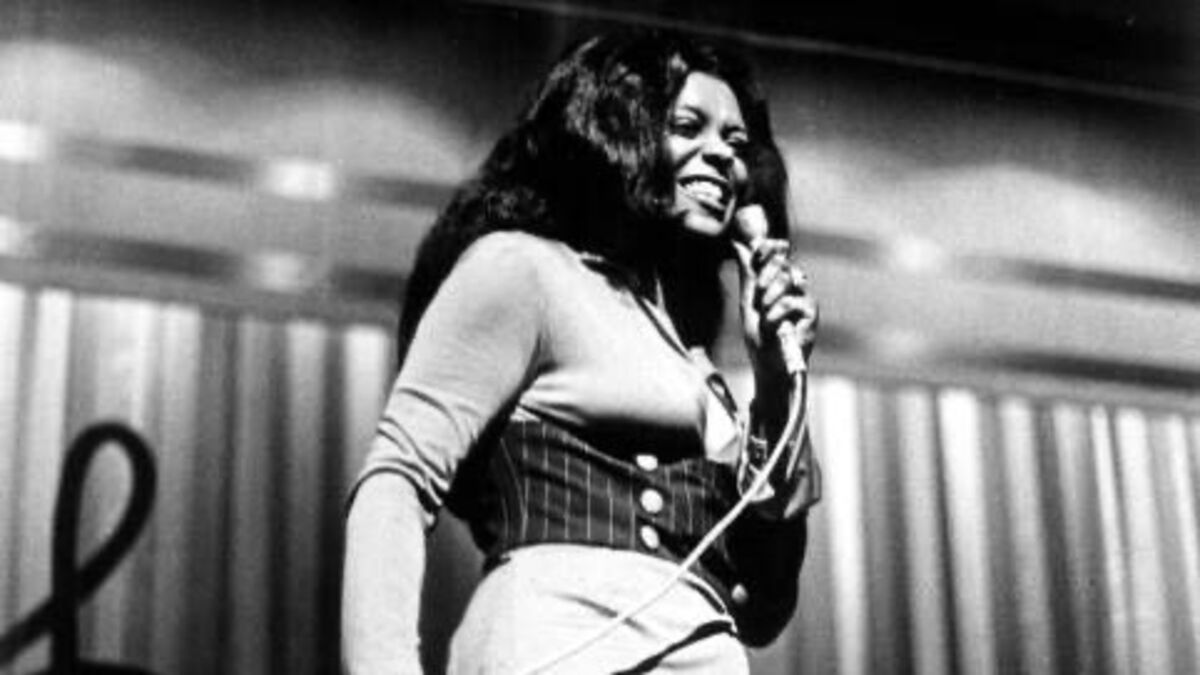
Lyn Collins’ ‘Think (About It) remains iconic, over 50 years on.
Think (about it) was recorded by Lyn Collins in 1972. Thematically, it sits alongside Respect by Aretha Franklin and Nina Simone’s Young, Gifted and Black, the latter also recorded by Aretha in this era. Think was a James Brown production that echoed some of the other feminist anthems his singers brought to the world, including Marva Whitney, Martha High and Vicki Anderson. Like many music geniuses, James Brown was full of contradictions, and his own poor treatment of women throughout his life was in sharp contrast to the self empowerment of these songs, which still stand up as powerful feminist anthems decades on.
Think also nodded back to a similarly titled track recorded far earlier in James Brown’s career, which in itself interpreted Think recorded by the 5 Royales, a track referenced by both of the Brown productions. The Lyn Collins version stands strong as one of the greatest anthems of the civil rights and women’s liberation movement. But back in the 1970s nobody knew that another revolution was just around the corner.
Hip-hop came directly from the drums of many of these funk and soul artists, and James Brown and the many incarnations of his groups are well documented as the ground zero of this phenomenon.
The Think break sometimes gets sidelined in these conversations, but historically it is just as important as the Funky Drummer and other non James Brown iconic breaks such as Amen Brother, Apache and Impeach the President. The Think drums were played by Jabo Starks, who, alongside Clyde Stubblefield, was responsible for much of the drums in this golden era for the James Brown team.
I met Clyde at the Cork Jazz Festival of 2005 when he was ironically filling in for another great drummer of that James Brown era, Bernie Purdie. I spoke to Clyde about how such a small few moments of his drumming became so iconic in the hip-hop era, and he was delighted to sign my records and even give me a drum stick.
Jabo, who somehow rarely got wider acclaim, outside those in the know, also appreciated the samples, but also would have liked more credit.
As with many artists of this era, Jabo was never financially compensated properly, but his drums laid the basis for not only hip-hop but other subsidiaries such as Baltimore club music.
My own hip-hop and house roots made me a long-time supporter of this underground American genre, which has had a huge influence on wider hip-hop, house and even pop music in the last 20 years. I recently read the amazing Tough breaks – The story of Baltimore club music homage to this genre by Al Shipley, and it perfectly maps out the importance of both the Think break and Sing Sing by Gaz, in the music’s evolution.
Adequately compensating Lyn Collins or Jabo Starks for such a song would be a fruitless task really, and both are now passed, but it is imperative that we at least recognise and credit the greatness and the influence.
Baltimore club music is as sample based as early hip-hop, but retains the DIY charm of an era before legal battles curtailed the free use of sampling.
Even the biggest Bmore anthems sold modestly and in a rawer eco system, and nobody got rich off the music. Unfortunately, as Shipley eloquently outlines, artists from this scene, such as Rye Rye and the many pioneering DJs and producers, also fell victim to an erasure that is an all too common story with black American music history. As with Lyn Collins and Jabo Starks, the erasure was not simply financial. Many of these artists don’t get the credit or recognition when a bigger mainstream one takes their sound.
I was DJing in Stockholm at the same venue Lyn Collins was supposed to perform at around the time of her passing, and I’ll always hold that record and her other recordings close to my heart as I make beats or spin tunes 20 years on. As for Jabo, he said it best, to Mobile Bay magazine, back in 2015: “When I’m playing music there ain’t nobody in the world higher than I am.”