How we can rise to the retrofit challenge?
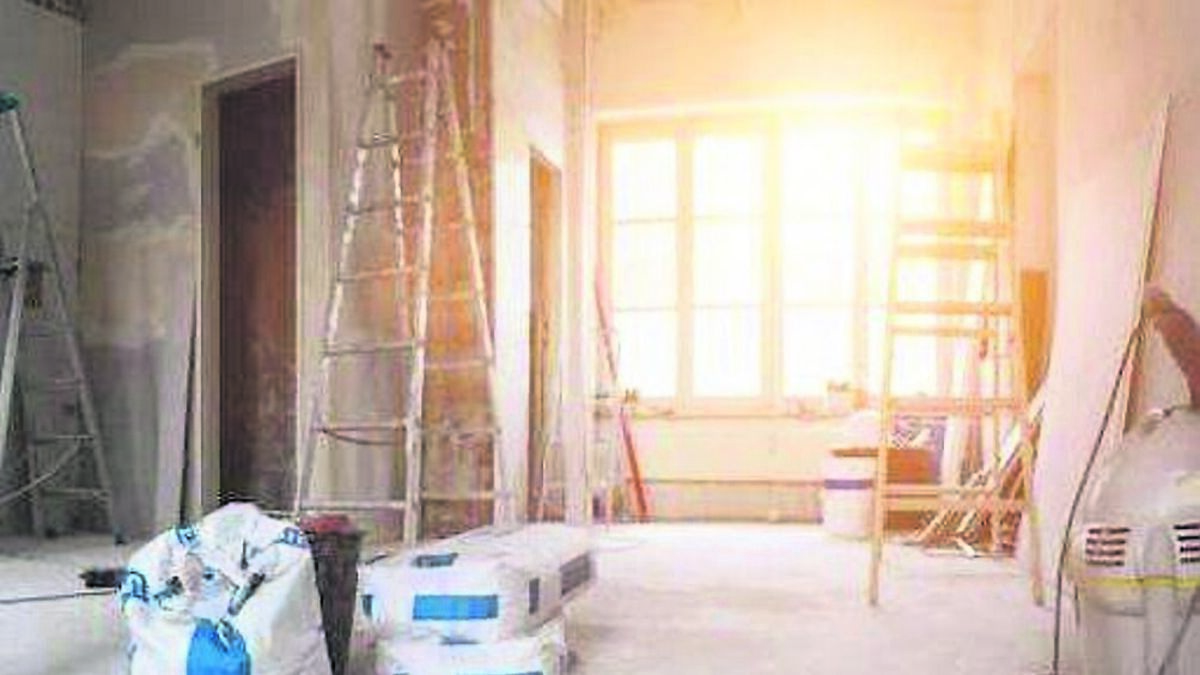
BRIGHTER FUTURE: Ireland is lagging behind on its retrofit targets, but this can be turned around
Ireland has committed to one of the most ambitious home retrofit programmes in Europe, with targets to retrofit 500,000 homes and install 400,000 heat pumps in existing properties by 2030.
However, a report from the Economic and Social Research Institute found that Ireland is “lagging considerably behind” and unlikely to meet those targets. It’s a stark reminder of the scale of the challenge.
Despite the bleak picture, if we are serious about tackling climate change, lowering energy bills, and strengthening long-term energy security, the goals are necessary.
Upgrading our building stock reduces emissions, improves comfort, supports public health, and represents a once-in-a-generation economic opportunity through job creation and industrial growth.
But ambition alone will not deliver warmer homes or lower bills. Delivery will.
Government policy is increasingly aligned to support retrofit. Grant schemes have expanded, multi-year funding certainty is improving, and public awareness of energy efficiency has never been higher. The challenge now is whether Ireland can translate that momentum into projects on the ground at the scale required.
Turning Ambition into Action
Retrofit is gaining momentum as a central part of Ireland’s energy transition. Improving the energy performance of existing buildings is as important as large-scale renewable projects in reducing emissions.
Retrofitting supports climate targets, reduces fuel poverty, lowers energy bills, and improves public health through warmer, more efficient homes.
Ireland’s retrofit programme also sits within a broader global transition aligned with the UN Sustainable Development Goals.
But translating ambition into reality requires more than targets on paper; it requires thousands of practical projects delivered by skilled teams across the country.

One of the biggest barriers remains perceived complexity. Homeowners and businesses often find the process technical, confusing, and fragmented. Demystifying retrofit is essential: people need clear guidance on what is required, what comes first, what grants are available, and what results they can expect. Retrofitting should feel manageable, not overwhelming.
Research by Amárach shows two in five people have already installed insulation or replaced windows in the past two years. Yet that could be much higher if the process were easier to navigate.
Trust is central. Retrofit is a significant investment, and homeowners need confidence in the advice they receive, the contractors carrying out the work, and the long-term performance of upgrades. Policy stability is equally important. Frequent changes undermine confidence for contractors, training providers, financial institutions, and households. The sector needs multi-year certainty, clear standards, and predictable pathways.
The Skills Challenge
Even with strong policy support, meeting retrofit targets will be difficult without addressing the shortage of skilled labour. A report from the Department of Further and Higher Education, Research, Innovation and Science estimates Ireland will need 23,000 additional workers by 2030.
Electricians, heat-pump installers, surveyors, engineers, and project managers are in high demand across multiple sectors. The legacy of the last economic crash, when many tradespeople left the sector and apprenticeships declined, is still being felt.
Expanding the workforce requires co-ordinated action across education, industry, and government. Encouragingly, collaboration is emerging between universities, training bodies, and industry partners. Technical Universities, SOLAS, Education and Training Boards, Skillnet, and regional development groups are developing new pathways into retrofit careers. Postgraduate programmes, apprenticeships, and specialist certifications are building the talent pipeline.
Practical barriers remain. Availability and cost of accommodation for apprentices attending block-release, and regional access to training centres all influence how quickly the workforce can expand. Flexible training models, short add-on qualifications, modular learning, and part-time programmes, allow existing tradespeople to upskill without leaving employment. Return-to-work schemes can attract new entrants and those considering a career change, particularly leveraging experience and transferable skills from other industries, by offering flexible, sustainable pathways into retrofit careers.
Retrofit increasingly demands a blend of technical and human skills. Leadership, customer engagement, logistics, and quality assurance are essential for delivering large-scale programmes successfully.
Project managers also need soft skills: co-ordinating teams, working within fuel poverty frameworks, and liaising with vulnerable or elderly homeowners. Developing these capabilities represents an investment in a workforce that can deliver Ireland’s climate and energy ambitions for decades, while ensuring retrofit projects benefit all communities fairly and effectively.
Rethinking Retrofit Finance
Finance remains a significant barrier. While government grants have stimulated demand, many households and SMEs still face upfront costs. Accessible, affordable finance must become a mainstream part of the retrofit ecosystem. Banks, credit unions, and utility providers can offer lending products that complement grants and make upgrades feasible.
The scale of national investment runs into billions of euros. Unlocking this capital will require strong collaboration between government, finance, and industry, supported by clear standards and quality assurance. Retrofits cannot be delivered by any single organisation alone. Contractors, educators, policymakers, utilities, lenders, and communities must align around shared delivery goals.
Moving from Targets to Delivery
Ireland has the ambition, policy direction, and growing public support to transform its building stock. Progress is already evident through increased funding, emerging collaborations, and public engagement, but as the ESRI report suggested, we’ve a long way to go.
The next step is ensuring that the systems behind that ambition: training, collaboration and finance, move at the same pace. If they do, Ireland can move from targets on paper to warmer homes, lower emissions, and a retrofit sector capable of delivering change at scale.
Environmentally, socially, and economically, this is a once-in-a-generation opportunity to create jobs, build new industries, and demonstrate that ambitious climate policy can deliver tangible benefits for communities nationwide.
41807393/readmore]






 App?
App?


