'Soon, we will lose our Molly for good.. the grief will be intense'
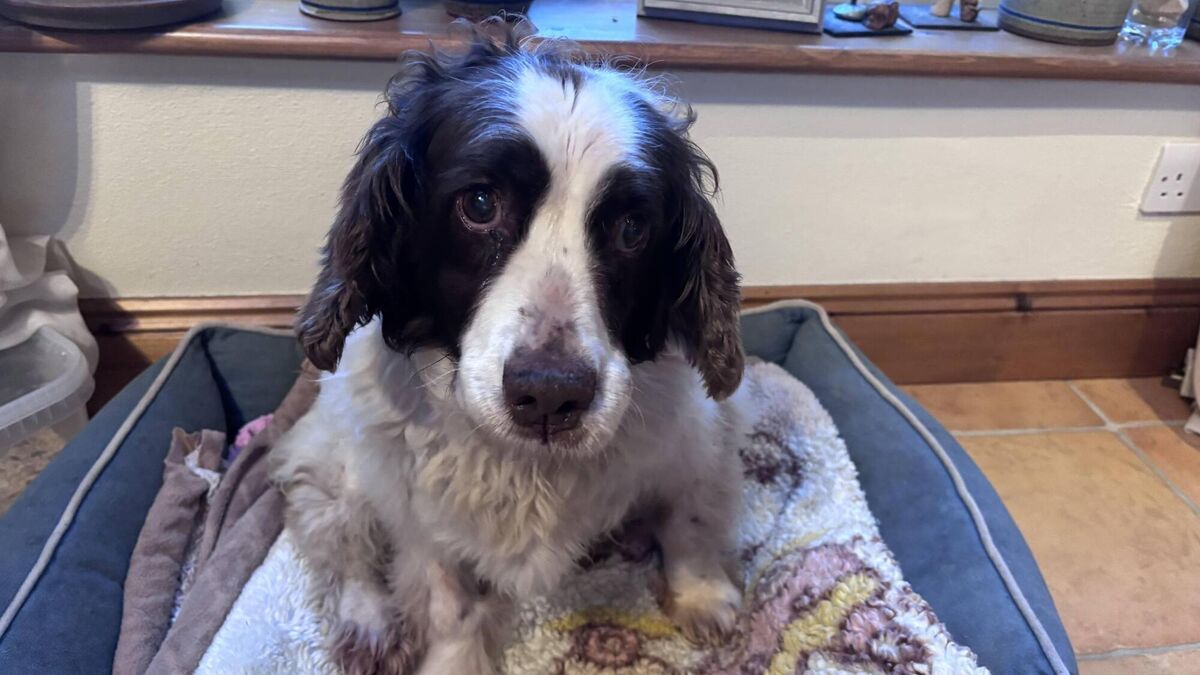
Molly is "a crucial part of daily life in this house", says Áilín.
A relaxed Saturday morning; the air in the kitchen pungent with the comforting aromas of coffee and toast.
I swallowed the last drops from my mug, got up from the table, and called to the dog, cosy in her basket.
“C’mon old doll,” I said. “We’ll head away out for a trot.”
As my ageing springer spaniel rose, her back legs suddenly gave way. I noticed that something was very alarming about the angle at which she was holding her head. It was all to one side. For the first time in her life, she couldn’t leave her basket.
Molly had likely had a mini-stroke, the vet explained kindly, as he checked her over. There was a bit of dementia. On top of that, the severe arthritis in her spine and hind legs had caused everything to suddenly give way, a bit like a rusty hinge which eventually just cracks.
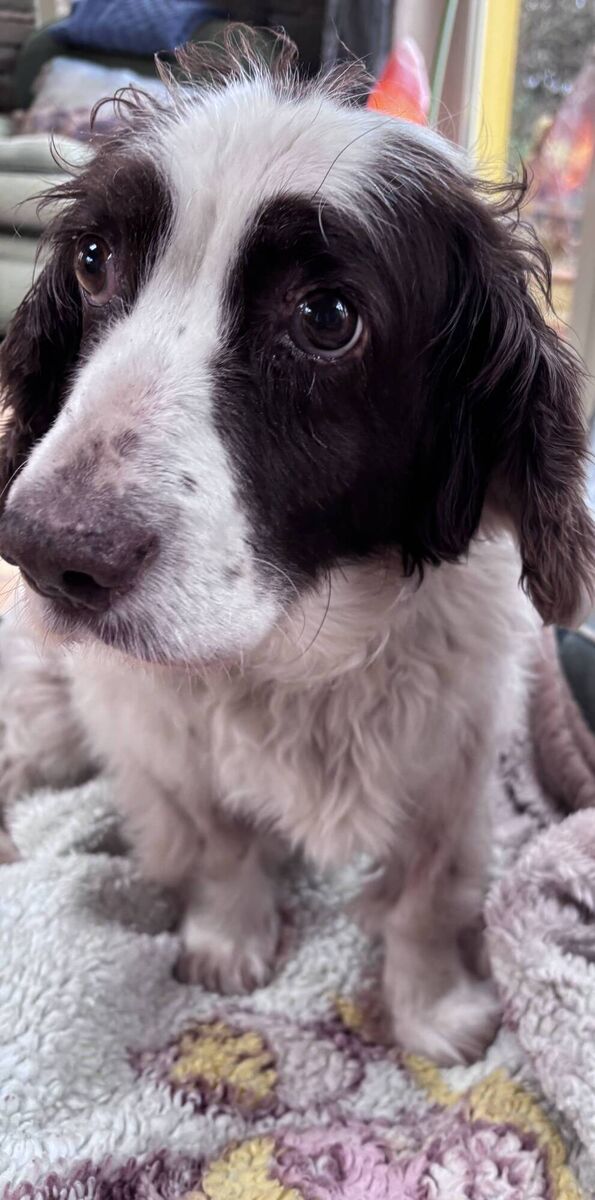
Her overall health was good, he decided, but these were the results of ageing. My dog is about 16 now, and quite possibly a bit more.
Had she been getting stiff? She had, I said, a lump in my throat. She was on a supplement for it, but the stiffness was steadily getting worse.
I couldn’t remember the last time she’d gone upstairs.
Lately, she had become nervous about descending from the back-door step.
And, now that I thought of it, the previous day when we had headed out for the short, gentle walk which was increasingly all she was able for, she had suddenly come to a determined standstill halfway down the drive, signalling that she wanted to go back.
So we did.
Be led by her, the vet advised, as to how long she wanted to walk for. She might also start to walk in circles. I hadn’t noticed anything like that so far, I said.
He nodded and gave me some medication to give to her in her food. There were some things that could be done, he commented, but given her age, it could be too much for her. Perhaps best not.
The following week was tricky. Molly started to circle endlessly around the kitchen while I watched, my heart in my mouth. She wouldn’t eat and it was difficult to get the medicine into her.
Finally, though, the penny dropped. I realised she had forgotten what her food bowl was for, though she lapped water as normal from the companion water bowl, so I tried putting some food out onto the ground. She ate it.
We found a smallish rectangle of Perspex in the shed and laid her food and medicine out on that, and gradually she started to eat more regularly.
A week went by. She is still unusually quiet. Doesn’t want to go for walks after her hind legs let her down and she collapsed into a puddle. Eats sparingly. Sleeps all the time.
Her gait has improved a bit now, and that terrifying angle of her head is no longer as extreme as it was.
She has slowly adjusted to the task of navigating her basket again, but does so with heartbreaking caution and occasional collapses.
Soon, I sense, we may lose her for good.
Our gentle dog is a crucial part of daily life in this house, woven into the domestic routines and, since she first arrived, a close family member.
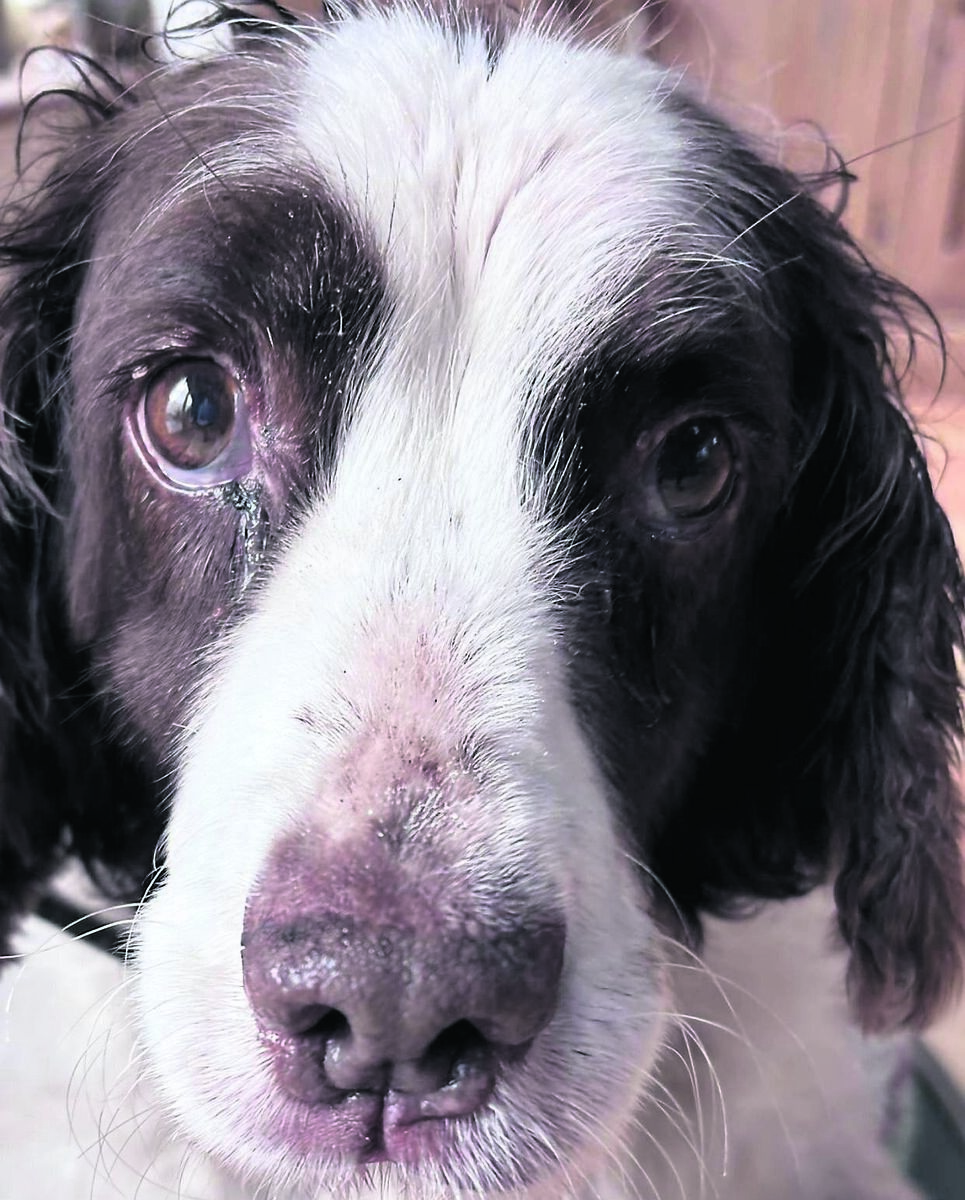
She enjoyed early morning walks, galloping through the fields chasing rabbits, slept by my desk while I studied and worked, and followed me everywhere, from the washing line to the loo.
When I fell desperately ill with covid a few years ago she came upstairs every morning and spent the day beside my bed.
The house will feel so empty without her. I know what will happen because I’ve been there before and because of the day I called to see someone who answered the door speechless with grief because her old dog had just had to be put down.
Grief at the death of a pet – pet grief – is very real, psychologists say. The sense of loss is tremendous and your heart feels like breaking.
The research tells us that more than half of dog owners felt that the grief they experienced after losing their dog was very similar, or, in some cases, even worse than the loss of a family member.
What’s coming for us in this house now is relentless. It’s cruelly inevitable and it’s almost here.
The internet is full of ways to cope with pet grief, but I know here and now that I won’t be organising a memorial ceremony.
I won’t create a scrapbook, light a candle or plant a tree, and nor will I seek professional help for this bereavement when it comes, either from a counsellor or a pet loss support group.
I’ll just wait while the sense of loss slowly wears down to sadness and, eventually, to nostalgic and cherished memories of a wonderful companion.







 App?
App?


