Kathriona Devereux: Health scare on baby milk is a cause for concern for parents
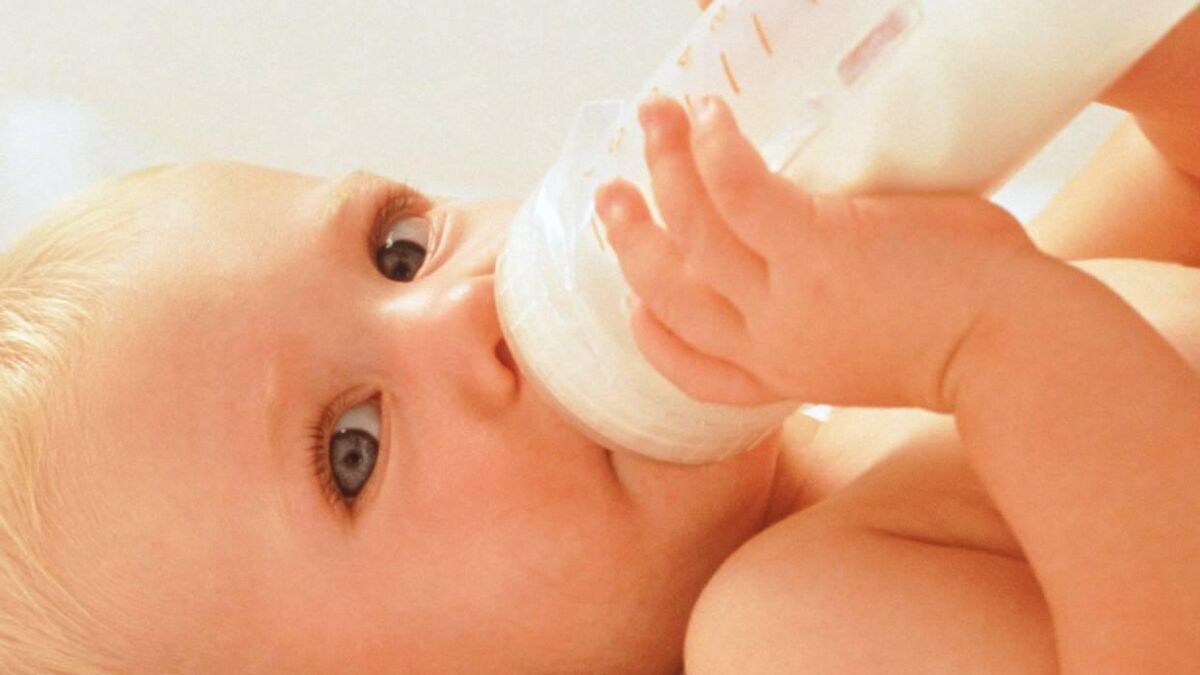
Arachidonic acid, or ARA, is a fatty acid that plays a critical role in infant brain development, vision, and immune function.
It is naturally present in breast milk, along with docosahexaenoic acid, or DHA (I had at least heard of that one).
Adults can make these fatty acids from other dietary sources; infants cannot. That is why DHA and ARA are routinely added to infant formula.
Contaminated batches of this infant formula ingredient now sit at the centre of a global recall that has raised fears and questions for parents.
Formula is a highly engineered food product. It is a ‘formula’ of ingredients including dried milk, vegetable oils, carbohydrates, vitamins, minerals, and added fatty acids such as DHA and ARA, designed to meet the nutritional needs of infants.
Manufacturing relies on complex global supply chains where, as we are seeing with this unravelling recall, a failure in one place can have far-reaching consequences elsewhere.
ARA oil used in infant formula is not extracted from food or animal sources. It is produced through industrial fermentation. A fungus called mortierella alpina is grown in large stainless-steel fermenter tanks and fed carbohydrates, often sugars derived from corn or wheat.
Under tightly controlled conditions, the fungus produces oils rich in ARA.
DHA is produced in a similar way, using algae rather than fungi. These oils are then extracted, refined, stabilised and shipped around the world to be blended into formula.
The current recall involves contamination of some batches of ARA oil with cereulide, a toxin produced by the bacterium bacillus cereus. The toxin is extremely heat-resistant and cannot be destroyed by boiling water. When ingested, cereulide can cause vomiting, nausea, and diarrhoea.
What began as a precautionary recall by Nestlé, after cereulide was detected in some products, has since widened to include other major manufacturers across more than 60 countries, from Argentina to Australia.
Here, the Food Safety Authority of Ireland has said there are no confirmed cases of illness linked to the recalled products in Ireland. Parents have been advised to check batch codes on the FSAI website and avoid affected formula.
In Singapore, health authorities have confirmed one case “likely associated with cereulide exposure”, while Brazilian health officials have reported two infants who became ill with persistent vomiting and diarrhoea after consuming recalled products.
In France, authorities are investigating the deaths of two infants who had been fed powdered baby milk that was later recalled over possible contamination. Prosecutors are examining whether there is any link between the formula and the deaths.
Officials have stressed that, at this stage, no direct connection has been proven, and the investigations are ongoing, with specialist laboratories involved.
The way the recall has been managed has drawn criticism from consumer advocacy groups across Europe.
Cereulide contamination was first detected in the Netherlands in early December, yet it was not until early January that a wider public recall was triggered. In the intervening weeks, parents continued to feed babies products that were later deemed unsafe.
One French mother, interviewed by France 24, spoke of her anger at the delays. During that window, she fed contaminated formula to her twin babies, who later became ill with vomiting and diarrhoea. Had the recall been issued sooner, she believes her children could have been spared a frightening and unnecessary illness.
Her twins were born prematurely, making them particularly vulnerable - a fact that highlights concern about how slowly warnings reached families.
This is not the first time the infant formula industry has been shaken by scandal or recall.
In 2008, in China, the melamine contamination crisis destroyed public trust after formula was deliberately adulterated, sickening hundreds of thousands of babies.
More recently, the United States faced a major formula crisis in 2022 after a Cronobacter infection was linked to formula made at a plant operated by Abbott Nutrition.
Several infant illnesses and deaths were investigated, the factory was shut down for months and the closure triggered a nationwide formula shortage that left some parents scrambling to feed their babies.
Irish and European manufacturers increased production to help ease the shortfall.
Confidence was shaken again recently when U.S authorities linked an uptick of cases of infant botulism to formula produced by the company ByHeart.
Ireland and the EU have some of the most exacting food safety standards in the world, but this recall shows that even robust systems can be stretched when ingredients and supply chains span continents. Particularly in a global infant formula market worth close to $90 billion, where products are manufactured at enormous scale by companies operating under commercial pressure.
Infant formula is essential for families who cannot or choose not to breastfeed or when donor breastmilk is unavailable.
When a product may be an infant’s sole source of nutrition, the bar for monitoring, enforcement and transparency must be exceptionally high.
Since news of the recall broke, and as its consequences continue to unfold, it raises unsettling questions: what exactly are we feeding our babies, and how vulnerable are we to global supply chains we barely see or understand?







 App?
App?


