John Dolan: A train from Blarney to city? I’m on board IF the service is right
Reports this week that Irish Rail hopes to begin construction on new suburban railway stations this year north of Cork city left me feeling a sense of deja vu.
I had to dip back into the Echo archives to remind myself. And there it was...
Way back in April, 2005, I was bemoaning the lack of public transport options on this page for my daily commute into the city, and, pen dripping with sarcasm, I said: “Ah well, only another ten years or so to wait for the Blarney railway line to get up and running.”
That ‘or so’ is doing some heavy lifting there, considering that, almost 21 years later, we are still waiting for that rail option.
There are snails with no sense of direction that can navigate a return leg of the Wild Atlantic Way faster than Ireland can follow up on its transport policies.
But let’s park the cynicism for a moment. Let’s have some belief that this time, the railway expansion plan around Cork city really is on track.
Currently, Irish Rail are prioritising building new stations in Dunkettle and Blackpool/Kilbarry this year, but the one I am keeping an eye out for is the proposed new station at Blarney, which is also on the to-do list.
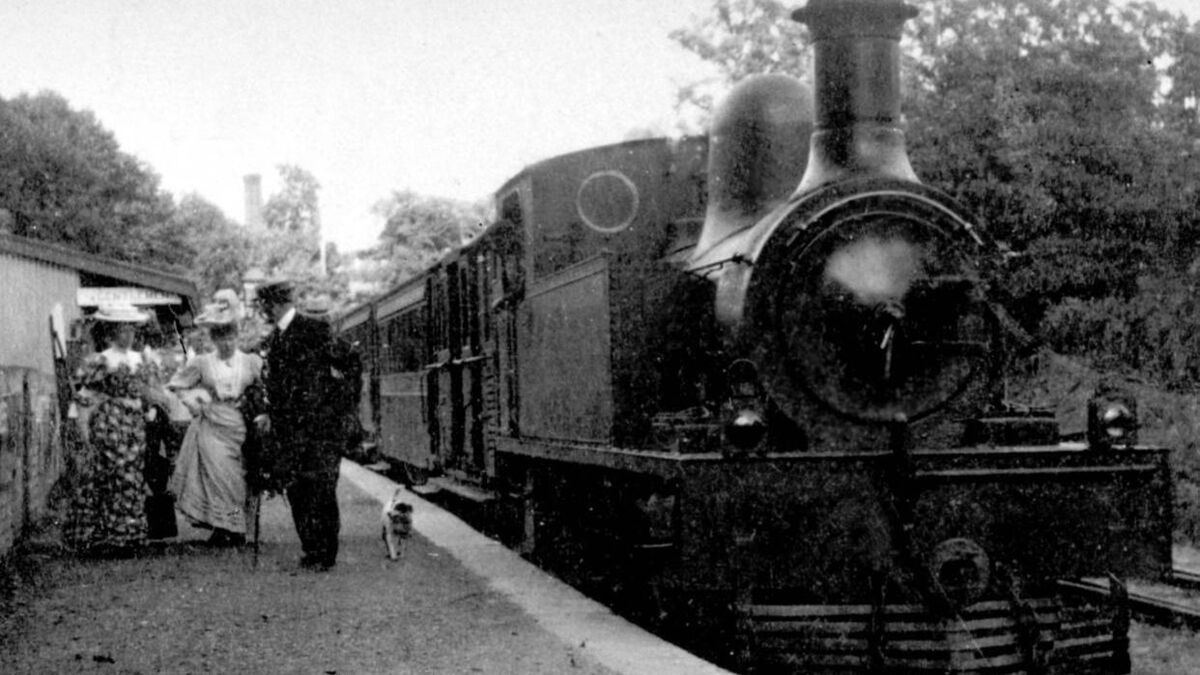
If this is built - more than 60 years after the original railway station closed down in the town in 1963 - it will offer a great alternative to the car.
Blarney is a 20-minute drive away from me, and if I can park up at or near the new station there, I would have the option of hopping on a daily train from Blarney to Cork city, and back again, which would surely take a mere ten minutes at most.
I would love to say it is an option I will take up - there are obvious environmental advantages, but there would also be a time-saving element for motorists like me who currently join the queues on the N20.
But, of course, we will need a bit more persuading than that before we rip up our commuting plans and let the train take the strain.
It won’t be a case of ‘build it and they will come’.
Erecting the railway station and adding a commuter service is just the first part of the wooing process. Irish Rail, aided by the government, will need to do a lot more to convince commuters wedded to their cars to abandon them for the train.
I’ve come up with a list of six things they must do right if people like me are to get on board with the railway plans.
A train timetable is not a guidelines. You hear horror stories up the country and in the UK about services being cancelled for frivolous reasons, or sometimes for no reason at all.
If I’m setting my watch to catch a certain train, to get me to and from work, I need to be able to rely on it.
A train every half-hour from Blarney to the city at peak times is surely not beyond the realms of possibility.
In an age when working days tend to be flexible, commuters also want to have options at various times throughout the day to and from the city.
I’ve always had a good experience on the train from Cork to Dublin, and these standards need to be the same for any rail service.
Don’t pack us into too few carriages like sardines, make the ride a comfortable, pleasurable experience for customers.
If I’m going to face a stressful search for a precious parking spot every morning, I might decide to stick with the car journey. And any chance of the station parking being free, or at least cheap?
If I’m factoring in the cost of a rail ticket for my daily commute, I’m also factoring in the cost of parking my car. If the overall cost is too steep, I’ll be sticking with my car journey.
If this means government subsidies, then so be it. The same with the bus service too.
If a commuter believes they can save time and money by taking the train daily, they will be more inclined to ditch the warm, comfortable, private, coffee cup-holding car.
Sadly, we live in an age when courtesy and manners are in short supply. Trains should have teams of inspectors who routinely ensure not only that passengers have the appropriate ticket, but who also act as custodians of the carriages - making sure people do not place their dirty boots on chairs, or plop their bags on available seating instead of using the rack.
Railway bosses also need to police the modern curse of loud phones, either by putting up notices and threatening fines, or by having designated quiet carriages where the silent majority can escape the idiots. Both these options will need to be policed by inspectors.
Loutish and selfish behaviour appears to be a regular problem on buses around Cork, and I’ve encountered some of those people myself at close hand. Protect us from them and we are more likely to choose to take the train.
******
Of course, if public transport options, including a viable rail network, become more readily available for people in the Cork suburbs, it isn’t just the carrot of a reliable train and bus service that will be used.
The stick will surely take the form of a new congestion charge for motorists entering what is currently the 28th most congested city in the world.
London introduced a charge in 2003 and New York - equally world-renowned for its brilliant underground and bus and rail options - introduced one a year ago, and has reported a decline in pollution and traffic, while raising money for an even better public transport system.
A city congestion charge would meet much opposition in Cork, but if the authorities can get their act together and provide a well-functioning, safe, and cheap public transport alternative, the critics might find themselves on the losing side.







 App?
App?


