Cork View: Words of advice if you’ve chosen to leave X
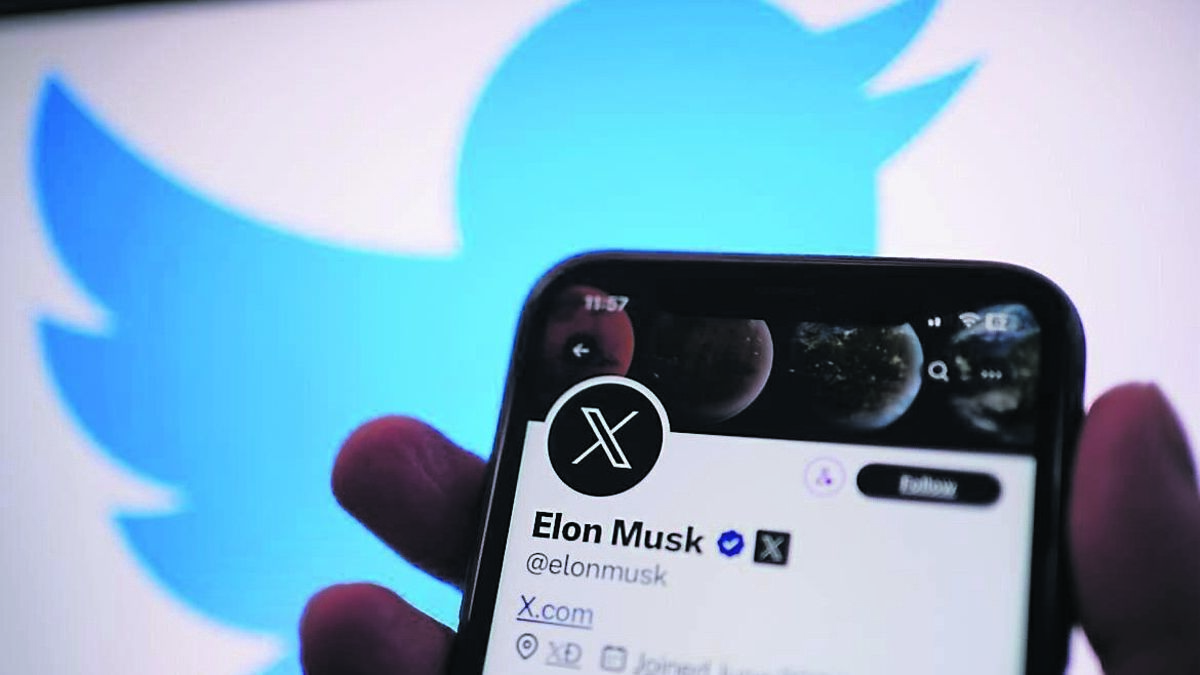
Some users have left X after its AI feature Grok was used to create fake sexualised images
People and organisations across Ireland have been leaving X sporadically since Elon Musk purchased the platform in 2022.
What was once a popular place for news, updates, and public conversation is now perceived as arguably the most toxic social media platform out there.
A major turning point recently has been a new feature in Grok, the AI system built into X, which has been used to create fake and sexualised images of real people without their consent. This includes images of children.
Irish charities and campaigners have spoken out about the harm this causes. Women’s Aid and The Dublin Rape Crisis Centre have publicly condemned and left X.
For many who had remained post-Musk, this has been the final straw.
As a communications consultant, I think there is zero value for you or your brand on X, and I don’t recommend you post or advertise there.
However, I recommend you pause before deleting your account - it may be a bad idea.
When people decide they are done with a platform, the natural instinct is to deactivate the account and move on. But, this can cause confusion.
When you deactivate your account, it enters a 30-day window where it can be reactivated. After that, the account is permanently deleted, and the username becomes available for others to register.
For personal accounts, if you don’t have a public presence, likely this won’t matter to you. But for brands or well-known individuals, this can cause serious issues if somebody takes your handle and impersonates you or your brand.
As an example, last year Center Parcs UK deleted its X account. The website and marketing materials still linked to the old X handle.
Another user claimed the username (to prove a point). Once he had the handle, he started to receive messages from Center Parc customers, including private information, trying to make a booking.
Thankfully, the user who had claimed the handle went public and contacted Center Parcs, his point having been made.
Those customers believed they were contacting the company. They were doing what they had always done.
This is a good illustration of how online habits lag behind decisions made behind the scenes. People save links, bookmark pages, and click the same social icons they clicked last year.
If you’re stepping away from a platform like X that you have used for professional purposes - have a proper exit strategy.
Keeping an account open but clearly marked as inactive is a really sensible thing to do. A short note in the bio, a pinned post pointing people to a website or newsletter, and updated links elsewhere can prevent confusion.
It also keeps the username under your control and your brand safe from anyone else acquiring it.
You don’t need to make an announcement or a big deal about it (unless you want to).
It is also worth checking your websites, contact pages, and even printed materials. Social media icons and old links often stay live long after a platform has been abandoned. Tidying them up helps guide people to places that are still actively managed.
All of this points to a bigger issue. Social media platforms come and go. They change owners. They change rules. Sometimes they change so much that they are no longer useful, or in the case of X - they are no longer ethical, in many people’s eyes.
When communication relies so heavily on social media, it is easy to forget that none of those platforms belong to you. An account can be restricted. An algorithm can change. When that happens, the connection to your audience can weaken overnight.
What doesn’t change is the value of having your own channels. A website you control, an email mailing list, clear contact details that do not depend on a third-party platform. These channels provide stability when everything else shifts. For many organisations, leaving X has been a reminder of how crucial your owned channels are.
But leaving X does not and should not mean leaving social media entirely. It’s important for any brand to have a strong social presence.
For many organisations, especially those dealing with professional audiences, LinkedIn has become a steadier option. I work with many organisations who use it to reach customers and stakeholders effectively and safely through this platform, with real and clear benefits for sales, stakeholder engagement, and reputation building.
Podcasts, with the right strategy and content, are an increasingly impactful way to speak to your audience.
For consumer-facing businesses, Facebook and Instagram, owned by Meta, are still widely used in Ireland for customer communication. TikTok can also work well for reaching younger audiences, when there is a clear plan and enough time to manage it properly.
For any platform you’re using, have a strong and unique password and ensure you have two-factor authentication to prevent your profile being hacked.
Many small businesses are extremely reliant on Meta for sales so if that’s you - ensure it’s as secure as possible.
Taking a little time to tidy up accounts, authentication, links, and contact points helps avoid confusion later and protects the people trying to reach you. Crucially - use whatever platform you’re on to direct back to your own website and build an email list of customers. This way, if tomorrow your preferred social media app collapses, you’ll still be able to communicate directly with your customers.







 App?
App?


