Kathriona Devereux: Amidst the doom and gloom, 3 reasons to be cheerful in 2025
The ongoing genocides and suffering in Gaza and Sudan. Growing homelessness numbers in Ireland - a record of nearly 17,000 people this year. An intractable war in Ukraine. The dismantlement of global aid and development funding by the Trump administration - expected to cost 14 million lives over five years.
Then there were increasingly extreme weather events like Storm Éowyn and Hurricane Melissa. A cost-of-living crisis, hospital trolley crisis… and countless other calamities.
The newspaper business has a motto ,“if it bleeds, it leads.” In an era of polycrises, it can be hard to know what shocking news stories deserve our attention. But amid horrific headlines, there was good news too.
Hope is the fuel that keeps us going, so here is a reminder of some happier news stories from 2025 to give us courage to face 2026!
Peter Malinauskus is the head of government in the Australian state of South Australia. He is a father of four. His wife read the book The Anxious Generation about how smartphones are damaging childhoods and insisted he do something about it.
So, he, and plenty of other Australian politicians, did.
A new law banning social media for kids under-16 came into effect this year, making it the responsibility of the tech companies to keep underaged kids off their platforms. As they say Down Under, “good onya, mate.”
And it’s good news for the rest of the world as it grapples with curbing the addictive algorithms that captivate kids.
Many countries are taking steps to follow Australia’s example, which has led on public health in the past. It was one of the first countries to introduce seat belt laws and plain cigarette packaging, despite industry pushback.
Unsurprisingly, tech companies are critical of the new law and are resistant to watching valuable audiences disappear.
Their revenue will suffer if their bespoke algorithms can’t facilitate the sale of hype-driven fashion drops or unnecessary skincare products to pre-teen girls.
It will be interesting to watch the online safety debate develop in Ireland in 2026, and if the government here will stick up for young people’s mental health or bend down to Big Tech pressure.
I’m always amused when I hear a gasp-inducing tale of someone surviving a catastrophic injury or diagnosis deemed a medical “miracle”.
Sure, often there is an element of lucky happenstance to these survival stories, but more often these life-saving treatments are the culmination of decades of medical research and knowledge.
The survivor is still with us not because of divine intervention, rather because of thousands of hours of painstaking, dedicated, dogged perseverance by medical researchers around the world.
It works by adding new copies of a gene that is broken, or by replacing a defective or missing gene in a patient’s cells with a healthy version of that gene. Patients have had sight restored, hearing improved, and inherited genetic diseases like haemophilia and sickle cell diseases treated.
This year saw a massive breakthrough for Huntington’s Disease, a devastating degenerative inherited condition which leads to dementia, paralysis, and ultimately premature death. A new gene therapy trial for it successfully slowed progression of the disease by 75%.
It’s still early days, but it is the first treatment to offer significant hope to those who carry the gene.
There were important breakthroughs in drug development in 2025 too.
Two new drugs for treating Alzheimer’s disease, donanemab and lecanemab, block harmful proteins that accumulate in the brain and can slow decline by around 30%, and potentially up to 60% if given at an early stage.
There was also substantial progress on developing a simple test that detects dementia biomarkers.
The goal is to roll out a blood test for dementia in clinics, something that Alzheimer’s advocates hope will happen in the next four or five years.
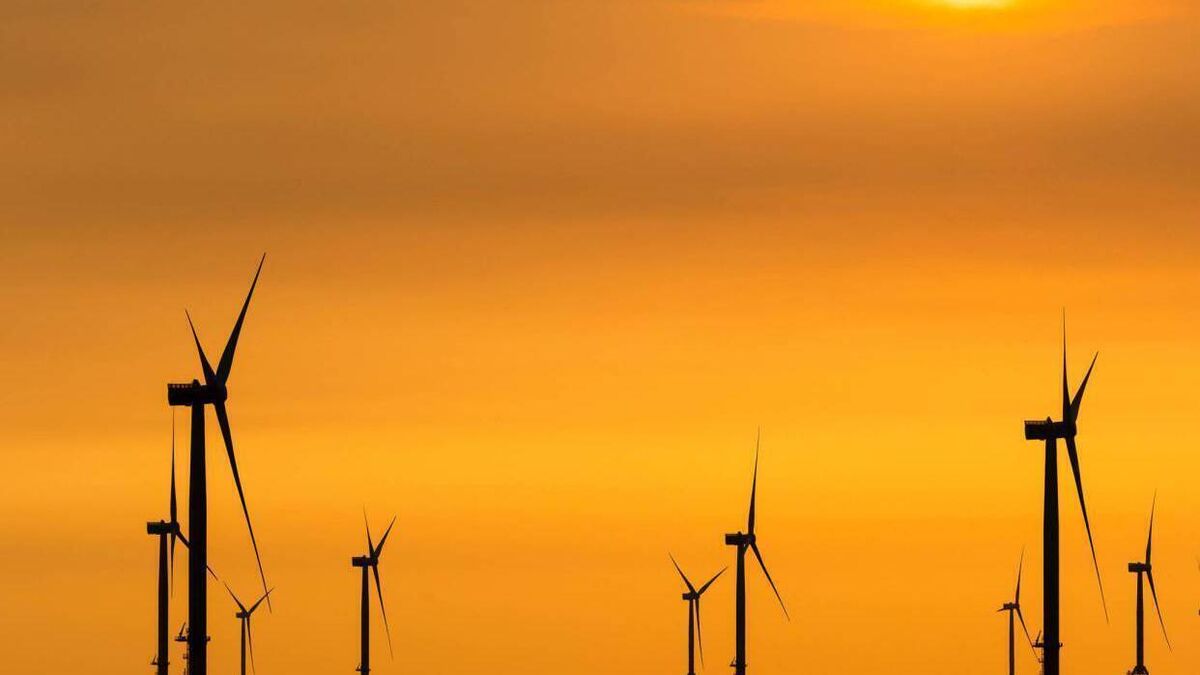
Renewables have, for the first time, surpassed coal in total global electricity generation in 2025.
Renewables are expected to grow ahead of coal into the future with global renewable capacity set to more than double by 2030.
This is good news in humanity’s quest to stop using fossil fuels.
The SEAI’s Energy Report launched just before Christmas showed Ireland’s total energy emissions have fallen by 16% since 2018 and were at their lowest level in over 30 years.
Those numbers show we can grow our economy and population without growing our emissions.
But, we need to up the pace. Energy-related emissions in 2024 were down 1.5% on 2023-levels. We need them to be down about 7% every year till 2030 to make our climate commitments and play our part in cooling the planet.
What we do here matters because the climate crisis is accelerating everywhere.
The World Meteorological Organization confirmed that 2015 to 2025 represents the 11 warmest years in the 176-year observational record, with the past three years ranking as the hottest ever recorded.
The urgency to cut emissions is for our benefit, and the 124 million people every year who experience a climate disaster in the form of extreme heat, floods, storms or droughts.
So, sorry, that’s a bad news story snuck in at the end, but it’s important to be real about the climate challenges we face and what we can do about them.
A future free from gas, coal, oil, petrol, and diesel is a good news story we can all help write together in 2026 and beyond.






 App?
App?


