R.I.P to Christmas card... and a small part of us has died with it
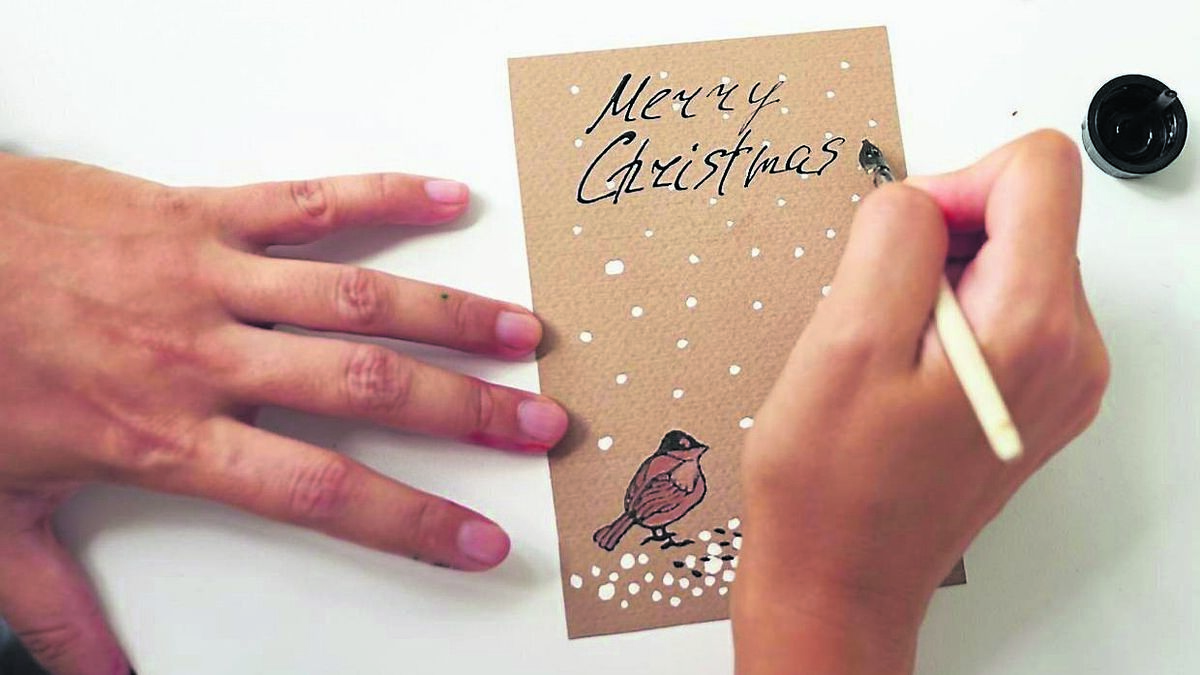
I feel the same way about the inexorable demise of Christmas cards.
For decades, I have been sending - and receiving - fewer and fewer of them each year - but, this year, I suddenly stopped completely. I sent none and I got none. Zilch.
Such is the way in which once hugely popular and universal traditions become extinct.
It’s not just me that is sounding the death knell for the Christmas card, it’s a global trend. How and why did this happen?
But there is another reason too.
Even though we may communicate constantly with friends and family on a surface level, modern life - and the effects of the pandemic - have turned us in on ourselves. We are time-poor and creatures of addiction. We can’t - or won’t - commit the time needed to perform a task which was once an annual habit - but far from a chore.
Our contacts with others online are often self-serving and lack the kind of depth, sacrifice, and special connection that a Christmas card used to bring. It’s a cop-out really.
As you can tell, I am both bemoaning the end of a wonderful and enduring custom, and actively playing a role in its extinction.
I guess the slow death of the tradition has been a two-way thing. If you send me one, I’ll send one back; if I send one, will you send me one back? It only takes one person every now and then to opt out and the whole house of cards eventually comes tumbling down.
In recent years, I was sending out cards to people, and feeling guilty that this might mean them rushing around to find a card and stamp to send one back to me before the Christmas deadline!
Admit it, you’ve done the same when someone sent you a card when you assumed they wouldn’t!
That’s a bit of a cop-out though, isn’t it? I mean, can’t you make a donation to charity and send your cards out?
It’s like writing out a few dozen cards in longhand (does anyone have lovely handwriting any more in this digital age?) is such a chore, that the person has paid a penance to get out of it.
Like everyone reading this, I grew up with the custom of Christmas cards. My mother bought them and wrote them out, and sent me and my brothers off to post them through the doors locally, while adding stamps to the ones further afield and getting us to post them.
In return, each day in the run-up to Christmas, a pile of cards would land on our mat. Some carried just a cursory festive greeting, but others contained a few lines - perhaps there had been a death in the family or an emigration.
One or two contained long letters updating us on events in that family’s life since the previous Christmas card missive.
(Some of these lengthy communications became quite funny, as the social climbing family you barely knew who used to live three doors down would send long missives - and copious photographs - about their family getting firsts at university and promotions in work... mammies gotta be mammies!)
When I was a child, the Christmas cards would spill over the mantelpiece and the top of the TV (which used to be very fat in those days and could easily carry four or five cards), and go on top of any spare piece of furniture around the place.
Sometimes, a piece of string would be attached to a wall to take on all the extra cards. Just a few years ago, our hallway would be adorned with cards hanging from string. This year, the wall is bare.
It’s not just instant communication that is killing the Christmas card either. The price of a stamp has soared in recent years as the post office tries to remain viable in a dwindling market.
The standard national letter stamp is now €1.65, and an international letter stamp costs €2.65.
If I were to send 30 cards in Ireland and 10 abroad this Christmas, that would cost me €76 before I had even purchased the cards.
In a cost of living crisis, it’s an outlay many will ponder deeply, especially if you can send a Christmas card to all your Facebook friends, or a communal message out on WhatsApp, for free.
Sadly, the perfect storm has gathered for the Christmas card in recent times, and I don’t think I am guilty of being over-nostalgic here when I say that a little bit of ourselves is dying along with the tradition.
It’s shallow, and it removes yet another building block that long held our society together.







 App?
App?


