It’s 2024, but women are still dealing with ‘The Male Gaze’
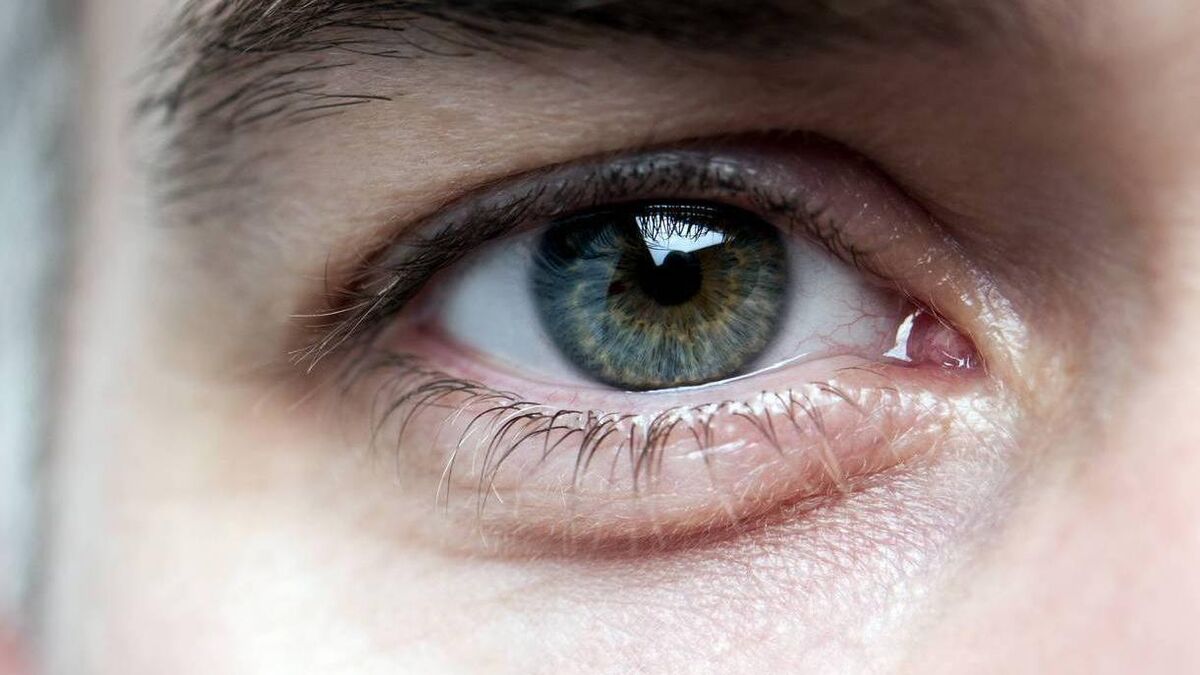
According to feminist theory, the male gaze is actually a sexualised way of portraying women by representing them solely through the lens of the sexual desires of heterosexual male views.
I always presumed it was just, you know; men slobbering over female passers-by, making them feel uncomfortable, or else glaring in cold disapproval at some woman who voiced an opinion a bit too loudly for their liking.
Throughout my teenage and early-to-mid adult life, I routinely experienced the first version of what I presumed to be The Male Gaze; that cold, sexualised assessing stare. Age comes with disadvantages, but in fairness, it eventually sorted out that one.
The silently disapproving male gaze is another thing entirely. What I presumed to be one of my most memorable encounters with it happened years ago, at a training ground some 20 minutes’ drive from where we lived.
I had driven my son to the training session. He had told me what time he was due to finish, so rather than drive home and come back in for him, I decided to pass the time by doing a circle-walk of the neighbourhood, which would have me back at the sports complex in plenty of time for the end of the training session.
Well, as it turned out, the son got the finish time wrong and when I returned the place was empty, the big spotlights were turned off and there was no sign of my lad. Panicked, I hurried all around the complex calling his name.
Eventually, and I will never forget this, after quite a few minutes of me scurrying over and back in my hi-vis vest shouting for my son, the headlights of a black vehicle which had been sitting in the parking area turned on full.
As I looked over, a door opened and my son clambered out of the front passenger seat and down the step. Flustered, I hurried over to the vehicle to speak to the driver – a large man with a gaggle of silent boys in the back – who stared at me expressionlessly as I thanked him profusely for staying with my son.
I apologised for my tardiness and explained that I’d understood that the session was due to run for longer than it had and that, er, I’d just gone for a walk to pass the time.
How he packed all of that into a few silent seconds, I don’t know, but he managed it. He’d obviously had plenty of practice, God help his wife and anybody else who ever put him out of his way.
On the drive home, I remonstrated with the son over giving me the wrong time. He didn’t answer, presumably modelling the behaviour of Class A Citizen A**hole who had done the Christian thing and let my boy sit in his vehicle for five or 10 minutes.
To this day, whenever I think of that incident, I get mad. It’s the memory of those mute male stares that spoke such a multitude - not to mention the fact that the people in that vehicle must have spent several minutes watching me running around an empty stadium like a demented chicken.
The incident popped up again in my mind at the weekend when I came across the term ‘The Male Gaze’. I decided to look it up to see if that was what I had encountered that dark winter’s night all those years ago.
Turns out, not really, though I have to say my personal interpretation of the term would be familiar to many put-upon women.
According to feminist theory, The Male Gaze is actually a sexualised way of portraying women by representing them solely through the lens of the sexual desires of heterosexual male viewers; in other words, the female body and personality is nothing more than an object for men to view, to own and to conquer.
The idea of naming the concept of The Male Gaze began in the early 1970s when an art critic called John Berger challenged the tradition in Western European art of portraying women as passive objects for the pleasure of men.
A few years later, a filmmaker, Laura Mulvey, used the term “male gaze” in an essay she wrote about cinema, analysing the portrayal of women in Hollywood and exposing the inherent misogyny in many films (a very innocent example of this misogyny could be the portrayal of Kate Capshaw as the woolly-headed night-club singer in Indiana Jones And The Temple of Doom), and arguing how cinema focused on feeding the male need for the sexual pleasure of looking by using close-up sexualised shots of female bodies.
So, let’s see; the effects of The Male Gaze? Well, because it emphasises physical appearance, the male gaze can influence how women view themselves, or how they compare themselves to sexualized media images of women. Usually negatively, which can damage their self-esteem and put them at risk of body shame.
The Male Gaze can place women in a subservient role because the only role for the woman here is to please the male spectator’s need for, yes, you have it, the sexual pleasure of looking. To hell with who or what women are or what they think, want or achieve.
Remember Sepp Blatter? Twenty years ago, Blatter, then the president of the world governing body FIFA, declared that women footballers should have “skimpier kit to increase the popularity of the game”. They could, for example, he slobbered, wear tighter shorts.
Have perspectives changed, do you think?






 App?
App?


