Bird spit, putrid cheese: Crazy ideas for your New Year diet
Turkey and ham will be off the menu for a while after gorging ourselves on little else over the holidays. Apart, that is, from trifle, pudding, sweets, chocolates, biscuits, and Christmas cake.
The gut needs a break, but if you’re still feeling bloated, spare a thought for Michel Lotito, who can’t have had it easy.
During his lifetime, he was known as Monsieur ‘Mouth’ Mangetout (‘Mr Eat-All’) and he ate large quantities of metal and glass.
Gastroenterologists X-rayed his stomach and described his ability to consume metal as unique.
His diet since 1966 included 18 bicycles, 15 supermarket trolleys, seven TV sets, six chandeliers, two beds, a pair of skis, a low-calorie Cessna light aircraft and a computer.
He is said to have provided the only example in history of a coffin, handles included, ending up inside a man. Mr Lotito died of natural causes on June 25, 2007.
Bird’s nest soup sounds harmless enough, and if you’re like me, you probably thought this was made from twigs and leaves, etc. But the truth is that the while Chinese do make the soup from the nest of the swift, the main ingredient is the bird’s actual saliva.
The saliva has a rubbery texture and is produced by the glands under the tongue, and the Chinese use it as a glue to hold the nest together. The nest then hardens when exposed to air.
Many diners are willing to spend small fortunes on this soup, as they believe eating it will help them maintain their youth as well as giving them a long, healthy life and a strong body.
The same can’t be said for the poor swifts though, because they are on the endangered species list and consuming these nests is reducing their long-term prospects for survival.
If that doesn’t whet your appetite, then you might want to try some Casu Marzu. A catchy name, but before ordering it you should know that the words Casu Marzu translate to ‘rotten’ or ‘putrid’ cheese.
It is a traditional Sardinian sheep milk cheese that comprises of living insect larvae - that’s maggots to you and me.
This sheep’s milk cheese is basically Pecorino, which has had the larvae of the cheese fly introduced into it. Fermentation occurs as the larvae digest the cheese fats, and the texture becomes very soft with some liquid seeping out.
The cheese has to be eaten when the maggots are still alive, because when they are dead it is considered to be toxic.
Since the larvae can jump if they are disturbed, diners have to shield their eyes while eating it.
Health issues have arisen in relation to Casu Marzu, including reports of allergic reactions and the danger of consuming cheese that has advanced to a toxic state.
There’s also the risk of intestinal larval infection to consider.
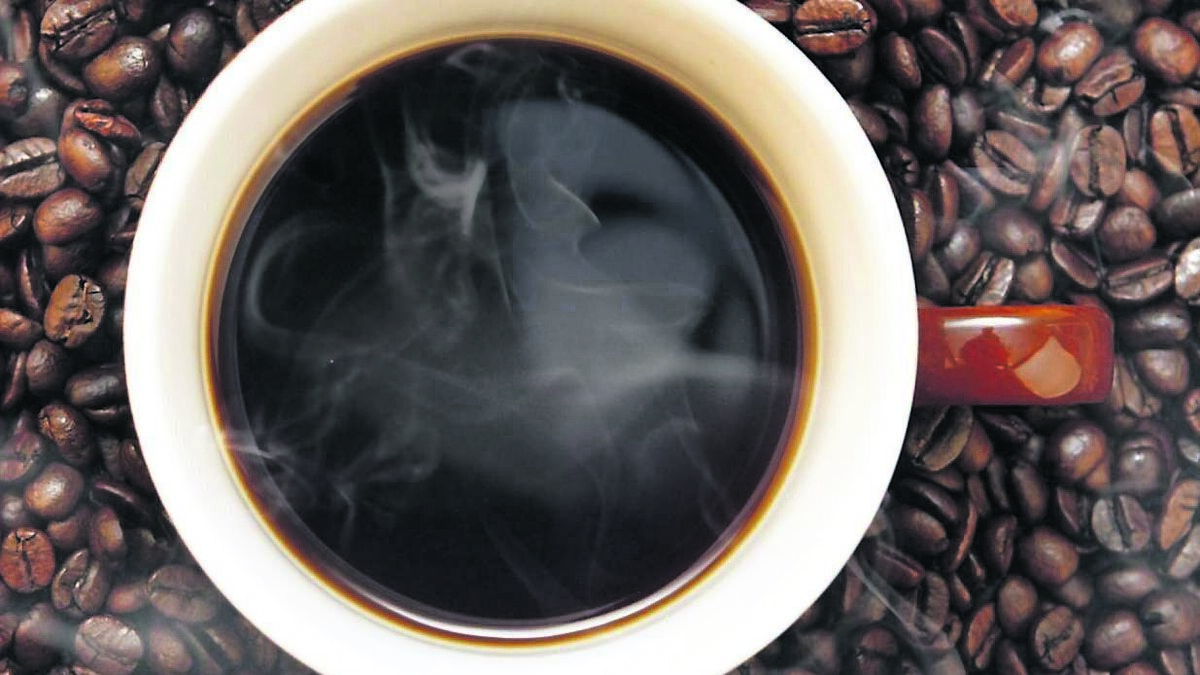
If you do succumb to the temptation, then it might be no harm to wash it down with a cup of coffee, unless you live in Indonesia that is. They drink Kopi luwak, which is made from coffee beans plucked from civets’ poop.
The civet is a nocturnal cat-like creature found in south-east Asia and sub-Saharan Africa. It has a long tail like a monkey, face markings like a raccoon, and stripes or spots.
It only eats the ripest coffee cherries, but its stomach can’t digest the beans inside the cherries, so they come out whole and then are used to make coffee.
If coffee isn’t your thing, then you might prefer a glass of mice wine.
As the name suggests, it is made out of newborn dead mice that are placed in the drink for 12-14 months before it is served. Reportedly, it is quite potent and those who drink it, get drunk quickly.
Baby mice wine originated in China and gradually became popular in Korea and other Asian countries. Traditionally, it was used as a magical potion for treating health issues and it was believed it could cure any ailment, from liver problems to asthma.
If that’s too strong, then snake wine is another option.
This is a rice wine bottled with a venomous snake with a slightly pink colour because of the snake blood, and it is also believed to have medicinal purposes.
The snake is left to steep in the rice wine for many months to let the poison dissolve.
Ethanol neutralizes the venom so it’s not dangerous.
Snake wine shouldn’t be confused with the potentially more dangerous snake blood wine, made by slicing the belly of the animal to let the blood drain into the wine, and then served immediately.
After having any of the aforementioned delicacies, you might be inclined to burp. Not surprising, considering what’s lying around in your stomach, but your fellow diners might not appreciate that, unless you happen to be in Egypt.
It’s considered extremely friendly to burp loudly after a meal in that part of the world. It shows that the diner really enjoyed the food, and the chef will accept it is as a token of appreciation.
A word of caution. If you try that at home, you might not get the same reaction.







 App?
App?


