Baltic Film Festival taking place in Cork this week
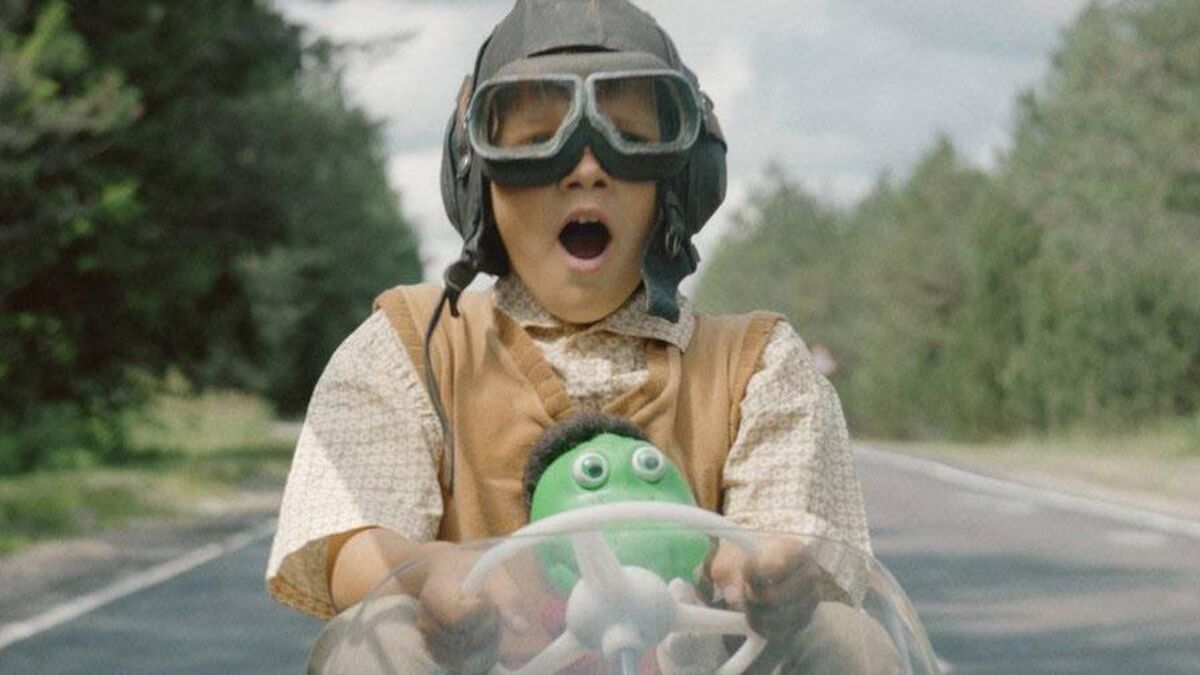
Goodbye Soviet Union, a film screened as part of the Baltic Film Festival in Cork
The third annual Baltic Film Festival in Cork on April 17-18 will showcase the finest cinema from Estonia, Lithuania, and Latvia.
Taking place at Triskel Cinema, the festival will feature one film from each Baltic state.
Estonian Ambassador Kairi Künka says the festivals have been celebrated globally for 15 years and is delighted that Cork is again part of this tradition. She adds that this year, the 35th anniversary of the Baltic states’ regaining independence, is a particularly meaningful time for reflection.
“Since restoring independence, Baltic states have undergone extraordinary transformations - from centrally planned systems to open democracies, from isolation to full participation in European and global life,” she said.
“By showcasing contemporary Baltic cinema alongside stories that reflect memory, transition, and multicultural experience, we can demonstrate that Baltic societies are dynamic, outward-looking, and constantly evolving.”
This year’s opening film, Maria’s Silence, represents Latvia. Its ambassador Juris Stalmeistars describes it as a powerful historical drama set in 1937 about the Latvian silent film actress Maria Leiko, who becomes entangled in Stalinist terror while visiting her granddaughter in Soviet Russia.
“The film portrays the darkest chapters of Latvia’s history, it also shows our country’s strong theatrical and artistic traditions, as well as reflecting our cultural sensibilities, such as quiet dignity, restrained emotions and a strong connection between personal tragedy and national history,” said Juris. “By focusing on this very tragic story, the film presents Latvia as a nation whose culture and identity endured despite political violence and repressions.”
Five And A Half Love Stories In An Apartment In Vilnius, Lithuania, directed by Lithuanian-American film-maker Tomas Vengris, is a Lithuanian-Irish co-production.
According to Dalia Sukackiene, the charge d’affaires ad interim of Lithuania, the film explores profound transformations occurring in the region, not only in the political and economic spheres, but also in everyday life.
“It is uniquely suited to capturing these shifts, as it portrays change as it is lived and experienced by individuals rather than described through statistics or policy documents.”
Ambassador Künka says the film representing Estonia, Goodbye Soviet Union, directed by Lauri Randla, captures the closed and absurd atmosphere of the 1980s, offering a nostalgic yet humorous view of that time.
“It tells the story of the collapse of an evil empire, highlighting the contrast between the old symbols, like Lenin’s, and the modern times, Barbies or adverts, while telling the story of the upbringing of a child in Soviet Estonia. Although the movie does not directly depict the major events of the period, they are strongly felt in the background, such as the Chernobyl nuclear disaster, the war in Afghanistan and the disintegration of the Soviet Union, which serve an important role in shaping the story.”
Ireland is to host the EU Presidency later this year, and charge d’affaires Sukackiene believes that film festivals help connect countries through shared experience.
“Lithuania will assume the EU Presidency at the beginning of 2027, and festivals like this take on even greater significance and symbolic weight. They help highlight the idea that EU leadership is not only about policy coordination, but also about mutual listening and understanding between societies. By working together, we underscore the value of small and medium-sized EU Member States in shaping Europe’s cultural narrative.”
The three embassies hope the festival will attract both Cork locals and Baltic communities. They highlight that it is an opportunity for the Irish to discover new stories, history, and cinema from the Baltic region.
Ambassador Stalmeistars says the Latvian community is fostering connections by sharing its culture.
“We hope that it will become an integral part of Cork’s cinema life. We are proud that Latvians make an active contribution to Ireland’s cultural life through community festivals, choirs, folk dance groups, concerts and exhibitions across the country. Our musicians, artists and filmmakers also participate in Irish festivals and creative projects, helping to build cultural links between our two countries and enriching Ireland’s multicultural society.”
Charge d’affaires Sukackiene is proud to see the Lithuanian community in Cork growing.
“This is reflected not only in numbers, but also in the community’s energy, creativity, and willingness to cooperate, ranging from cultural events to initiatives that introduce Lithuanian traditions, language, and history to a wider audience. The recent opening of a Lithuanian Saturday school is a particularly meaningful milestone.
“The Lithuanian community in Cork demonstrates a strong commitment to preserving language and cultural identity. This film festival is a perfect opportunity to bring together local residents and Baltic diaspora communities, helping our societies understand one another through stories, emotions, and shared human experience.”
Ambassador Künka says although the Estonian community is not the largest in Ireland, at 2,500, it is active and connected.
“The relationship between Estonia and Ireland has been growing for nearly four decades now. Many Estonians have made Ireland their home; here, they grow their families and build their careers.
“Film offers us a wonderful opportunity to introduce our Irish neighbours to Estonians, Latvians, and Lithuanians and to share our culture, which unites us and what makes us different. Our goal is to change the Baltic Film Festival into a lasting tradition.”
The Baltic Film Festival takes place on April 17-18 at Triskel Cinema. See triskelartscentre.ie
41823467;41827079;41826830[#embed6]